
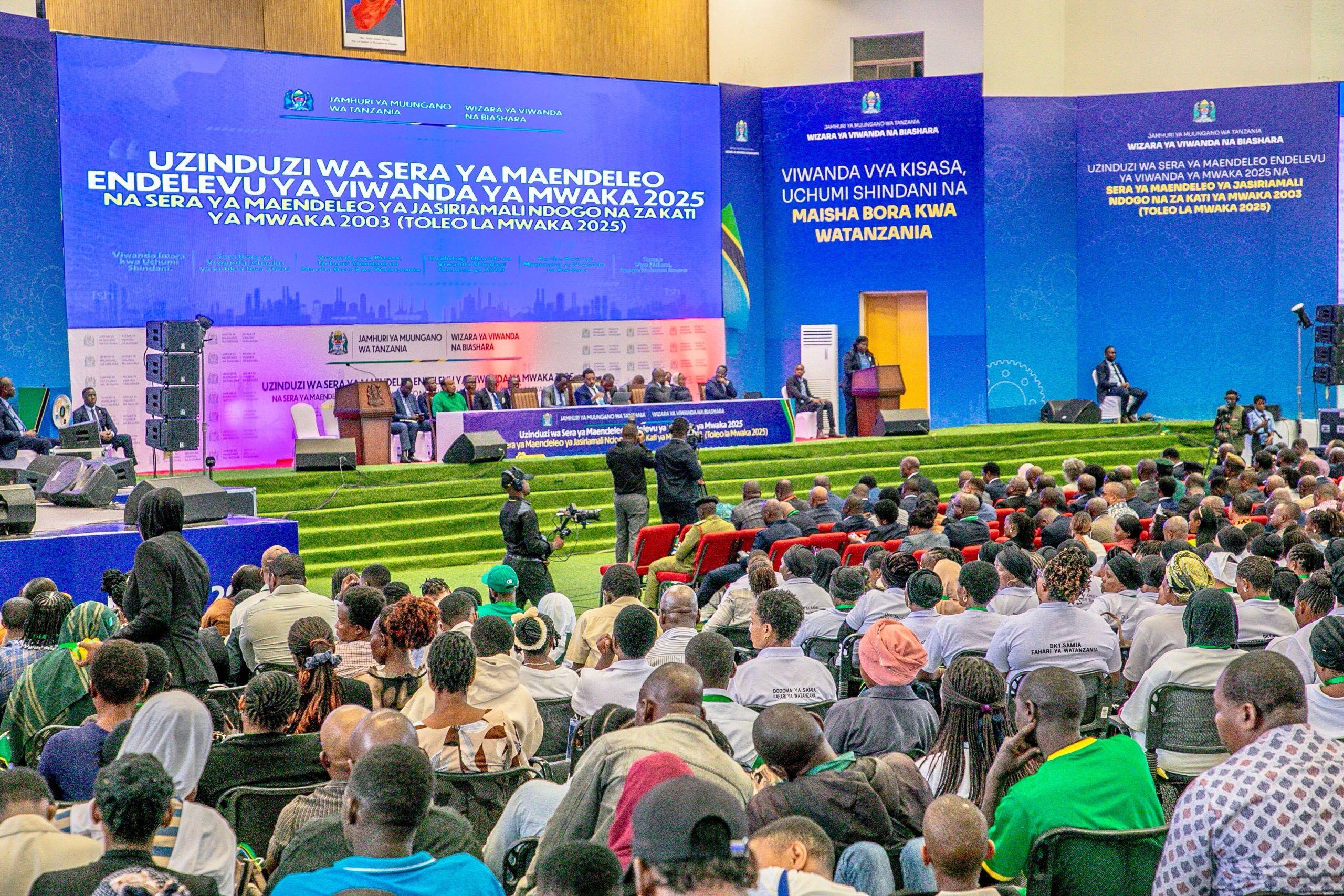
Tanzania PM: Issues Local Procurement Directive for Public Sector
Summary
- Prime Minister Mwigulu Nchemba has issued a directive to all government ministries and public institutions.
- The directive mandates prioritizing locally manufactured products in all government procurement processes.
- This initiative aims to strengthen Tanzania's domestic industries, protect jobs, and accelerate economic transformation.
- The Prime Minister emphasized that public institutions must lead by example in supporting locally produced goods.
What Happened
This significant Tanzania PM local procurement directive underscores a strategic shift towards bolstering the nation's industrial base and fostering economic self-reliance.
Prime Minister Mwigulu Nchemba has issued a significant Tanzania PM local procurement directive, instructing all government ministries and public institutions to prioritize locally manufactured products in their purchasing decisions. This mandate signals a clear intent from the Tanzanian government to leverage its substantial purchasing power to support national economic objectives. The directive specifically targets public sector entities, requiring them to lead by example in fostering the growth of domestic industries by consciously selecting goods produced within the country.
This strategic move by Prime Minister Nchemba is designed to ensure that public funds spent on goods and services contribute directly to the nation's internal economic development. By channeling procurement towards local suppliers, the government aims to cultivate a more robust and self-reliant economy, reducing dependence on foreign imports. The directive represents a pivotal shift in Tanzania's public procurement policy, emphasizing national interests over potentially cheaper foreign alternatives, thereby setting a new standard for how government contracts are awarded and executed.
Policy Rationale
The core rationale behind this directive is multifaceted, focusing on strengthening Tanzania's domestic industries, safeguarding existing employment opportunities, and accelerating the country's broader economic transformation. Prime Minister Nchemba articulated that the sustainable growth of local industries is directly contingent upon consistent and strong support from government institutions. This perspective highlights a belief that public sector demand can act as a powerful catalyst for industrial expansion and innovation within the overarching "Made in Tanzania" framework.
The government's vision is that by actively choosing to prioritise local products Tanzania, it will stimulate local production, encourage investment in manufacturing capabilities, and ultimately reduce reliance on imports. This approach is seen as crucial for building a resilient economy capable of generating wealth and employment for its citizens, aligning procurement with national development goals. The directive is therefore not merely a procurement instruction but a foundational element of a wider national development strategy aimed at fostering economic independence and prosperity.
Impact on Public Procurement
This Tanzania PM local procurement directive will necessitate a significant re-evaluation of existing procurement practices across all government ministries and public institutions. Lawyers advising clients on public procurement in Tanzania must now factor in this explicit instruction to prioritize locally manufactured products, which could profoundly impact tender specifications, evaluation criteria, and the overall competitiveness of bids. Suppliers, whether local or international, will need to demonstrate their alignment with this new emphasis on local content, potentially requiring adjustments to their supply chains or manufacturing processes.
The directive implies a fundamental shift in how "Tanzania government contracts local content" requirements are perceived and implemented, potentially leading to more stringent criteria for local sourcing or manufacturing in future tenders. Foreign suppliers, or those not utilizing local inputs, may find themselves at a disadvantage unless they adapt their strategies to incorporate more "Made in Tanzania" components or establish local production facilities. This policy aims to ensure that public spending directly contributes to the nation's industrial capacity and job creation, fundamentally reshaping the landscape of public sector tenders and emphasizing the economic benefits of prioritizing local production.
Practical Implications
Lawyers advising clients on public procurement in Tanzania must now factor in the Prime Minister's directive to prioritize locally manufactured products. This could impact tender specifications, evaluation criteria, and the competitiveness of bids from foreign suppliers or those not utilizing local inputs.
Source
How does this affect you?
Get an AI analysis of this article grounded in your jurisdictions, practice areas, and any policy documents you've uploaded to Wansom.
Wansom is AI and can make mistakes.