
Tanzania National Legislative Drafting System: Development Advances
Summary
- Tanzania is developing a national legislative drafting system, expected to be Africa's first.
- A team of experts recently met with the management of the Office of the Chief Parliamentary Draftsman (OCPD) in Arusha.
- Mr. Onorius Njole, the Chief Parliamentary Draftsman, officiated the meeting.
- This system aims to standardize and enhance the efficiency and quality of legislative processes in Tanzania.
What Happened
The establishment of this national legislative drafting system signals a potential shift towards more standardized and potentially faster legislative processes in Tanzania.
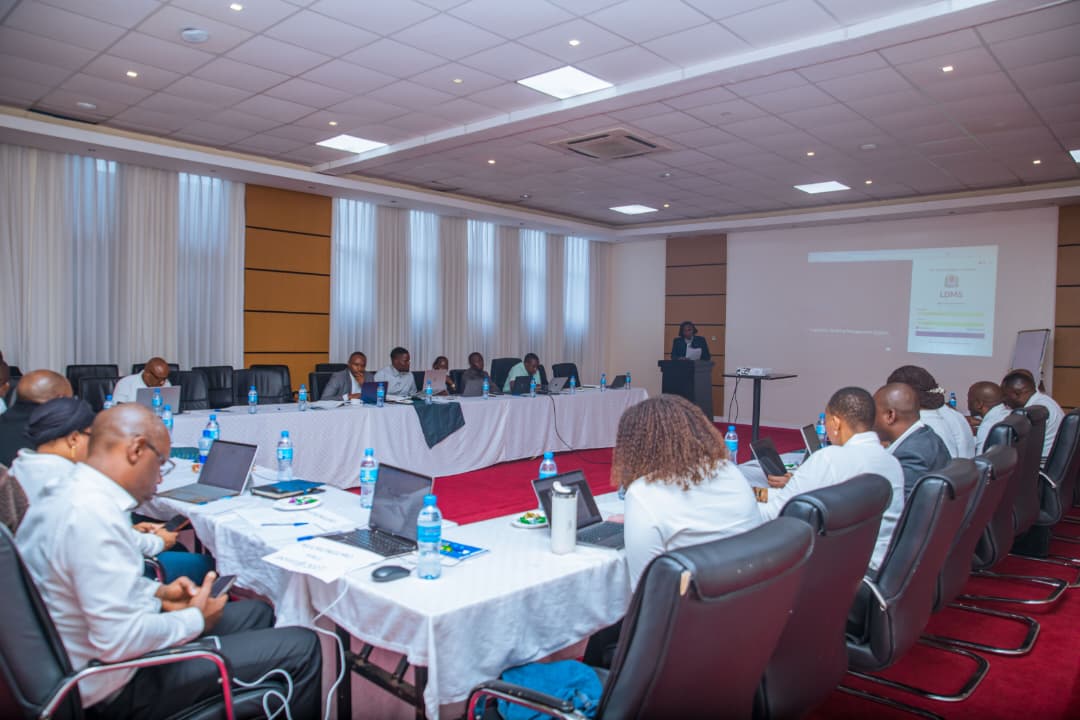
Tanzania is currently in the process of establishing a comprehensive national legislative drafting system, a development poised to mark a significant milestone for the African continent. This initiative moved forward following a recent gathering of expert teams with the leadership of the Office of the Chief Parliamentary Draftsman (OCPD). The crucial meeting, which served to advance the system's development, took place in Arusha, a prominent city in the northern region of the country.
The proceedings of this pivotal session were officially opened by Mr. Onorius Njole, who holds the position of Chief Parliamentary Draftsman (CPD). His involvement underscores the high-level commitment to this project, which aims to streamline and enhance the quality of legislative output within Tanzania. The collaborative engagement between the expert teams and the OCPD management signals a concerted effort to bring this ambitious project to fruition, setting a new standard for legislative development.
A Pioneering Initiative
This emerging national legislative drafting system is anticipated to be the first of its kind across Africa, positioning Tanzania at the forefront of legislative innovation on the continent. Such a system typically involves standardized procedures, advanced tools, and structured methodologies designed to ensure consistency, clarity, and efficiency in the creation of legal texts. The implementation of such a framework could significantly improve the legislative process from conception to enactment.
The pioneering nature of this endeavor suggests a potential for Tanzania to serve as a model for other African nations seeking to modernize their own legislative frameworks. By establishing a robust and systematic approach to drafting laws, the country aims to enhance the overall quality and accessibility of its legal instruments, fostering a more predictable and stable legal environment. This strategic development reflects a commitment to strengthening governance through improved legislative practices.
Enhancing Legislative Development
The Office of the Chief Parliamentary Draftsman (OCPD) plays a central role in this transformative project, with its management actively engaging with the expert teams. The leadership provided by Mr. Onorius Njole, the Chief Parliamentary Draftsman, in officiating the recent meeting, highlights the institutional backing and strategic direction guiding the system's creation. The OCPD is inherently responsible for ensuring the technical quality and legal soundness of proposed legislation, making its involvement indispensable for the success of a national drafting system.
This initiative represents a significant step in Tanzania's legislative development, promising to standardize the drafting process. Such standardization is critical for reducing ambiguities, ensuring legal coherence, and potentially accelerating the legislative timeline. The focus on developing a structured system indicates a move towards greater professionalism and efficiency in how laws are conceived, written, and prepared for parliamentary consideration.
Broader Implications
The establishment of this national legislative drafting system signals a potential shift towards more standardized and potentially faster legislative processes in Tanzania. For legal professionals and stakeholders, this development warrants close observation regarding its impact on the clarity, consistency, and overall accessibility of draft legislation. A more streamlined system could lead to quicker legislative cycles, which in turn might influence compliance timelines for businesses and individuals.
Furthermore, the enhanced structure could simplify legal research by providing more consistent and logically organized statutory texts. As Tanzania embarks on this pioneering journey, the outcomes of this system will be crucial in shaping the future landscape of its legal framework and could offer valuable lessons for legislative development across Africa. The commitment to such an advanced system underscores a forward-looking approach to national governance and legal reform.
Practical Implications
This development signals a potential shift towards more standardized and potentially faster legislative processes in Tanzania. Lawyers should monitor how this new system impacts the clarity, consistency, and accessibility of draft legislation, as well as the speed at which new laws are proposed and enacted, which could affect compliance timelines and legal research.
Source
How does this affect you?
Get an AI analysis of this article grounded in your jurisdictions, practice areas, and any policy documents you've uploaded to Wansom.
Finish Reading the Full Story and the Expert Analysis.
Get the latest legal & regulatory intelligence in Tanzania
Wansom is AI and can make mistakes.