
Tanzania Government: Declares Zero Tolerance for Rape, GBV
Summary
- The Tanzanian government has strongly condemned rape and gender-based violence, particularly when it results in pregnancy.
- Authorities have urged the public, including family members, not to interfere with legal proceedings in rape and sodomy cases.
- This directive aims to ensure that victims obtain justice and that perpetrators are held accountable under the law.
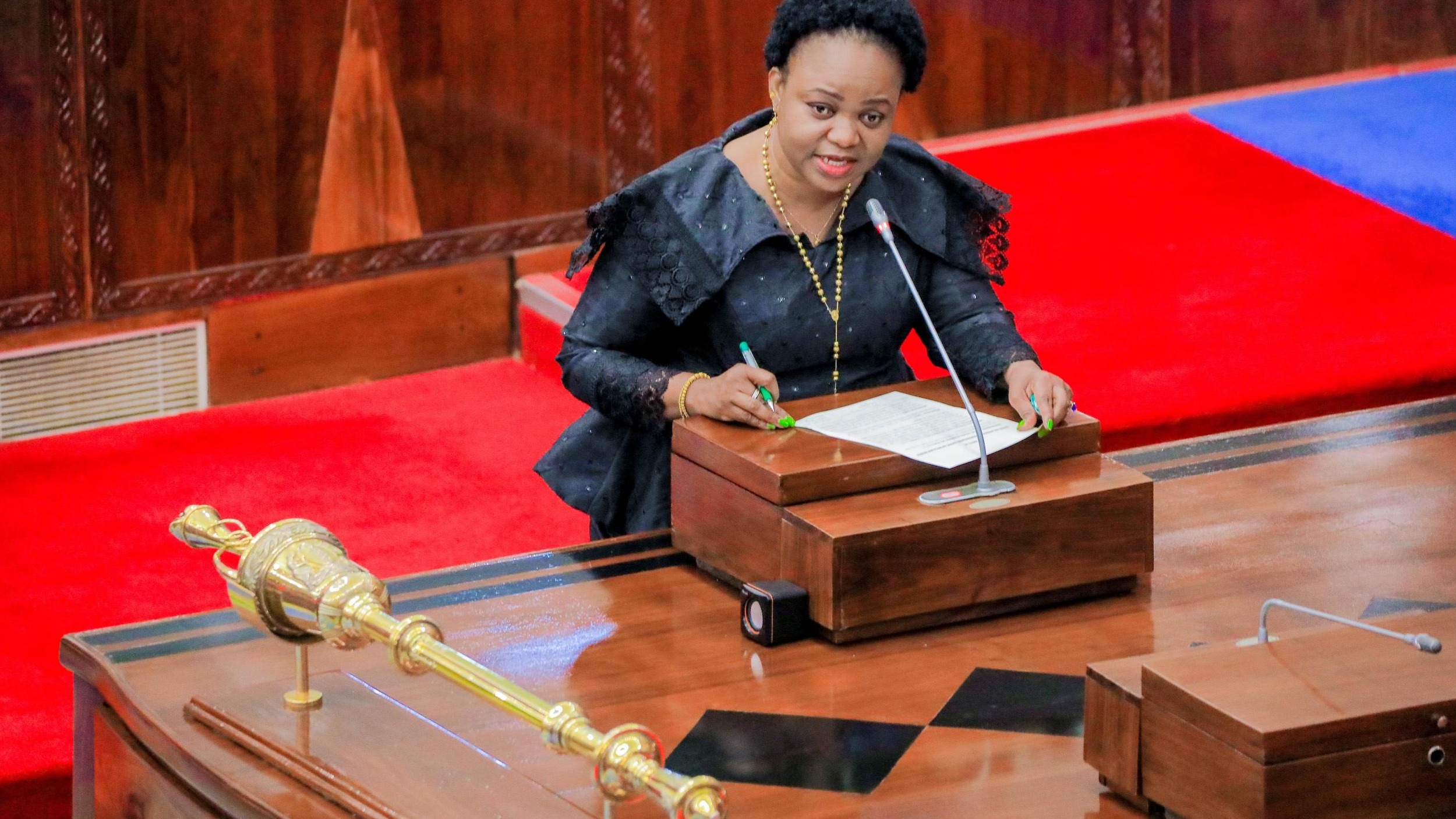
- The statement was delivered by the Deputy Minister for Community Development, Gender, Women and Special Groups, Maryprisca Mahundi, from Dodoma.
Government's Stance on Sexual Violence
The government's clear message is designed to ensure that every individual involved, from victims to law enforcement and the judiciary, can operate within a system committed to fairness and accountability, ultimately strengthening the nation's resolve against gender-based violence.
The Tanzanian government has issued a strong condemnation of rape and gender-based violence (GBV), particularly highlighting instances where such heinous acts lead to victims becoming pregnant. This unequivocal stance, articulated from Dodoma, underscores a renewed commitment to addressing severe crimes that inflict profound harm upon individuals and society at large. The directive emphasizes a zero-tolerance approach towards perpetrators, signaling a heightened focus on accountability.
In a significant move to bolster the integrity of legal processes, the government has explicitly urged parents, relatives, and the general public to refrain from any interference in legal proceedings related to rape and sodomy cases. This appeal is central to ensuring that justice can be administered without obstruction, allowing the legal system to function effectively in these sensitive matters. The Deputy Minister for Community Development, Gender, Women and Special Groups, Maryprisca Mahundi, was instrumental in conveying this crucial message, reinforcing the government's dedication to protecting vulnerable populations.
Ensuring Justice and Accountability
A primary objective behind the government's firm declaration is to guarantee that victims of sexual violence receive the justice they are due. By calling for non-interference in legal proceedings, the administration aims to create an environment where evidence can be presented and adjudicated fairly, leading to appropriate outcomes for those who have suffered. This focus on victim justice enforcement is a critical component of the broader Tanzania gender-based violence policy, seeking to empower survivors and restore their faith in the legal system.
Furthermore, the government's statement firmly asserts that perpetrators of these crimes must be held accountable under the full extent of the law. This commitment to robust prosecution in Tanzania rape sodomy cases serves as a deterrent and reinforces the principle that such actions will not be tolerated. The emphasis on legal accountability is a cornerstone of the Tanzania government zero tolerance rape GBV policy, ensuring that those who commit sexual offenses face the consequences of their actions without undue influence or obstruction.
Broader Societal Implications
The government's call for public non-interference extends beyond mere procedural adherence; it represents a crucial step towards fostering a societal culture that supports the rule of law in cases of sexual violence. By discouraging external pressures on Tanzania sexual violence legal proceedings, the state aims to protect the integrity of investigations and trials, thereby strengthening the overall framework for combating GBV. This collective responsibility is vital for creating a safer environment for all citizens.
This reinforced directive has significant implications for how communities engage with the justice system in cases of sexual assault. It underscores the importance of allowing legal professionals and judicial bodies to carry out their duties unimpeded, ensuring that the pursuit of justice for victims remains paramount. The government's clear message is designed to ensure that every individual involved, from victims to law enforcement and the judiciary, can operate within a system committed to fairness and accountability, ultimately strengthening the nation's resolve against gender-based violence.
Practical Implications
Lawyers and compliance officers in Tanzania should note the government's reinforced commitment to strict enforcement of laws against rape and gender-based violence, and its explicit warning against interference in legal proceedings. This signals a heightened focus on accountability and victim justice, requiring legal professionals to ensure clients understand and comply with these stringent directives, and to prepare for robust prosecution in such cases.
Source
How does this affect you?
Get an AI analysis of this article grounded in your jurisdictions, practice areas, and any policy documents you've uploaded to Wansom.
Finish Reading the Full Story and the Expert Analysis.
Wansom is AI and can make mistakes.