
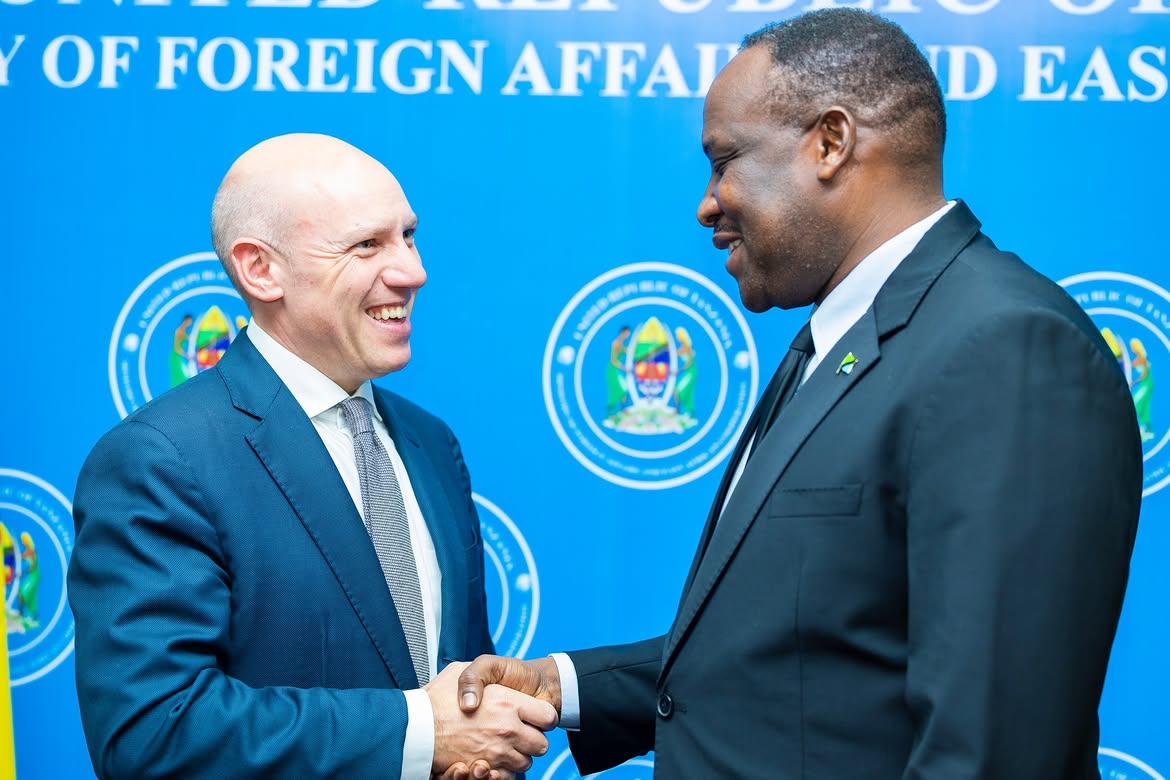
Tanzania Germany: Addressing EAC Investment Barriers to Boost FDI
Summary
- Tanzania and Germany are engaging in discussions to remove investment barriers in Tanzania and the wider East African region.
- Key obstacles identified include issues related to tax policies, regulatory frameworks, and infrastructure.
- Tanzania's Deputy Minister for Foreign Affairs and East African Cooperation, James Millya, led these talks.
- The initiative aims to unlock new investment opportunities and foster greater economic cooperation between the two nations and across the EAC.
Overview of Diplomatic Engagement
Legal professionals advising German entities or other foreign investors in the region should closely monitor these developments.
Tanzania and Germany are actively pursuing enhanced economic collaboration, focusing on identifying and dismantling obstacles to investment within Tanzania and across the broader East African Community (EAC) bloc. These high-level discussions underscore a mutual commitment to fostering a more conducive environment for foreign capital. The engagement highlights a strategic effort to deepen bilateral ties and leverage German expertise and investment in key sectors, signaling a proactive approach to addressing long-standing challenges.
The recent dialogue, led by Tanzania's Deputy Minister for Foreign Affairs and East African Cooperation, James Millya, signals a proactive approach from both nations. The primary objective of these Tanzania Germany trade talks is to unlock new investment opportunities, moving beyond existing frameworks to explore untapped potential. This initiative is particularly significant given the emphasis placed on addressing systemic issues that have historically deterred foreign direct investment, aiming to create a more predictable and attractive market for international partners.
Addressing Key Investment Barriers
A central theme of the discussions revolved around the critical need to address various business barriers that impede investment flow. Both Tanzanian and German representatives specifically identified challenges related to tax policies, regulatory frameworks, and infrastructure deficiencies. These elements are often cited by international investors as significant hurdles, impacting profitability, operational efficiency, and overall market predictability, thus directly affecting the viability of new ventures.
The focus on these specific areas suggests an understanding that comprehensive reform is necessary to truly transform the investment landscape. For instance, streamlining tax regimes and ensuring policy consistency are crucial for attracting long-term commitments, while robust infrastructure development is fundamental for logistics and market access. Addressing these Tanzania Germany investment barriers EAC-wide could significantly improve the region's appeal to international capital, aligning with broader EAC investment climate reform efforts.
Broader Regional Implications and Future Outlook
The scope of these discussions extends beyond Tanzania's borders, aiming to unlock opportunities across the entire East African region. This broader perspective acknowledges the interconnectedness of EAC member states and the potential for a harmonized approach to investment climate reform. Enhanced Germany Tanzania economic cooperation could serve as a model, encouraging other regional players to adopt similar strategies for attracting and retaining foreign investment, thereby boosting the overall economic dynamism of the bloc.
These ongoing talks, spearheaded by figures like Deputy Minister James Millya, are indicative of a potential shift in Tanzania's foreign investment policy. Legal professionals advising German entities or other foreign investors in the region should closely monitor these developments. Any subsequent policy adjustments, particularly concerning tax incentives, trade regulations, or infrastructure project frameworks, could present new avenues or necessitate strategic re-evaluations for existing and prospective ventures within the EAC. The commitment to tackling these barriers suggests a future where the East African market becomes increasingly accessible and attractive.
Practical Implications
This development signals potential upcoming policy and regulatory reforms in Tanzania and the EAC aimed at improving the investment climate. Lawyers advising foreign investors, especially German entities, should monitor these discussions for changes in tax, trade, and infrastructure regulations that could impact new or existing ventures.
Source
How does this affect you?
Get an AI analysis of this article grounded in your jurisdictions, practice areas, and any policy documents you've uploaded to Wansom.
Finish Reading the Full Story and the Expert Analysis.
Get the latest legal & regulatory intelligence in Tanzania
Wansom is AI and can make mistakes.