
Tanzania: National E-Mobility Framework Approved to Accelerate EV Adoption
Summary
- Global geopolitical tensions, including a conflict involving the United States, Israel, and Iran, are disrupting the Strait of Hormuz and driving up global oil prices.
- Tanzania, a country dependent on imported petroleum, is actively exploring alternative energy solutions.
- An e-mobility framework has been approved and is being implemented in Tanzania to boost electric vehicle adoption.
- This initiative aims to reduce Tanzania's exposure to global energy shocks and foster energy independence.
What's Driving Tanzania's E-mobility Push?
Legal professionals advising these industries should closely monitor the development and subsequent implementation of this e-mobility framework.
Global geopolitical tensions, specifically the conflict involving the United States, Israel, and Iran, are creating significant ripple effects across international markets. These tensions have led to severe disruptions within the critical Strait of Hormuz, a key global shipping lane. A direct consequence of these disruptions has been a notable increase in global oil prices, impacting economies worldwide.
For nations heavily reliant on imported petroleum products, these escalating oil prices and supply chain vulnerabilities pose substantial economic challenges. Such countries are increasingly compelled to seek out and implement strategies aimed at diminishing their exposure to unpredictable global energy shocks. This imperative is driving a global shift towards alternative energy solutions and enhanced energy independence.
In this evolving global landscape, Tanzania, located in Dodoma, stands out as one of the countries actively exploring alternative energy solutions to mitigate its dependence on imported fossil fuels. The nation's proactive stance is a direct response to the volatile international energy market. As part of its broader Tanzania energy policy changes, Tanzania is now advancing an e-mobility framework, signaling a strategic pivot towards sustainable transportation. This initiative underscores a commitment to fostering Tanzania EV adoption policy as a cornerstone of its future energy strategy.
The Emerging E-mobility Framework
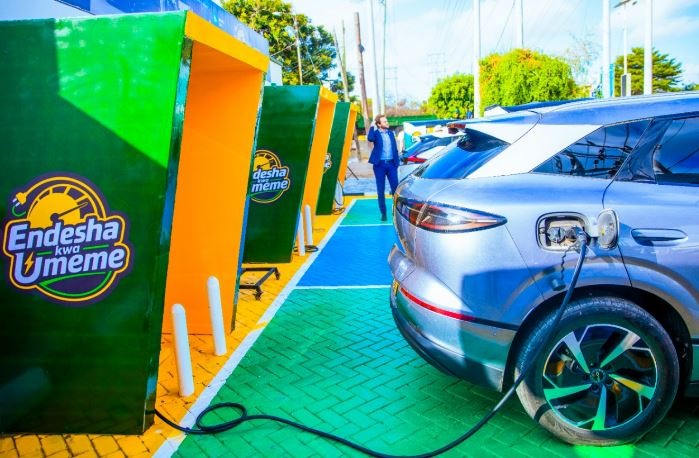
The cornerstone of Tanzania's strategy to navigate global energy market volatility is the introduction of a new e-mobility framework. This significant policy initiative is specifically designed to accelerate the adoption of electric vehicles (EVs) across the country. By establishing a comprehensive regulatory and supportive environment, the framework aims to make electric transportation a viable and attractive option for both individuals and businesses within Tanzania.
A National Electric Vehicles Policy Framework was approved in December 2024, and specific details are now emerging and being implemented. These initiatives typically encompass a range of measures, including the development of Tanzania electric vehicle regulations to govern vehicle standards and charging infrastructure, the introduction of incentives to encourage EV purchases, and strategic investments in charging networks. The overarching goal is to create an ecosystem conducive to widespread EV integration, thereby reducing the national reliance on petroleum-based fuels.
This proactive approach positions Tanzania to capitalize on the benefits of electric mobility, from environmental improvements to enhanced energy security. The Tanzania e-mobility framework is expected to lay the groundwork for a robust electric vehicle market, addressing potential barriers to entry and fostering innovation within the automotive sector. It represents a forward-looking step in modernizing the nation's transportation infrastructure and aligning with global sustainability trends.
Broader Implications for Tanzania's Economy and Legal Landscape
The implementation of Tanzania's e-mobility framework carries profound implications for the nation's economic stability and energy independence. By actively promoting electric vehicle adoption, the country aims to significantly reduce its reliance on imported petroleum products. This strategic shift is crucial for insulating the economy from the volatility of international oil prices, which have been exacerbated by geopolitical events like the conflict impacting the Strait of Hormuz. A successful transition could lead to substantial foreign exchange savings and a more predictable national energy budget.
For businesses operating within Tanzania's automotive, energy, and logistics sectors, the advent of this framework signals a period of significant change and opportunity. The automotive sector, in particular, will need to adapt to new Tanzania automotive sector law and regulations concerning EV imports, manufacturing, and servicing. Energy companies will face demands for expanded charging infrastructure and potentially new business models for electricity supply to vehicles. Logistics firms may find new efficiencies and cost savings through EV fleet adoption, but will also need to navigate evolving operational requirements.
Legal professionals advising these industries should closely monitor the development and subsequent implementation of this e-mobility framework. The new policies are likely to introduce a range of compliance requirements, investment incentives, and regulatory adjustments that will directly impact business operations. Understanding these changes will be critical for clients seeking to capitalize on emerging opportunities or ensure adherence to new Tanzania electric vehicle regulations as the nation progresses towards its e-mobility goals. This proactive legal engagement will be essential for navigating the evolving landscape of electric vehicle adoption in Tanzania.
Practical Implications
Lawyers advising businesses in Tanzania's automotive, energy, or logistics sectors should closely monitor the development and implementation of this e-mobility framework for new compliance requirements, investment incentives, or regulatory changes impacting electric vehicle adoption and infrastructure development.
Source
How does this affect you?
Get an AI analysis of this article grounded in your jurisdictions, practice areas, and any policy documents you've uploaded to Wansom.
Wansom is AI and can make mistakes.