
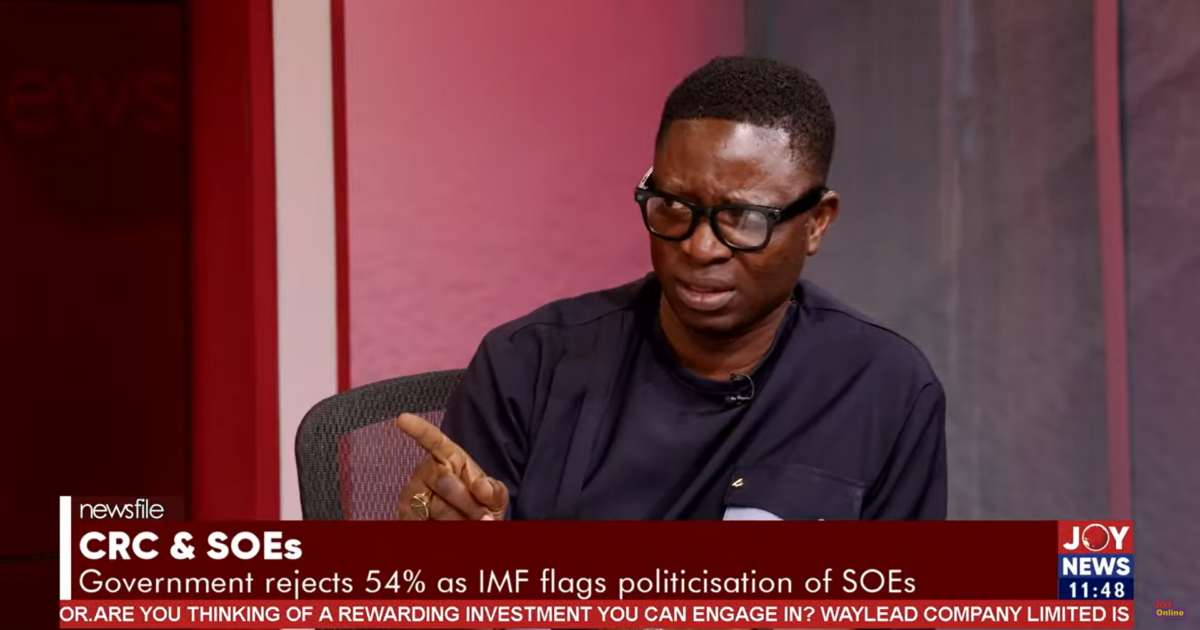
Tanko Computer: Ghana 1992 Constitution Review Crucial, MMDCE Warning
Summary
- NDC's Rashid Tanko Computer advocates for a comprehensive review of Ghana's 1992 Constitution, citing its age and need for updated responsiveness.
- He states the government is committed to this constitutional reform process, guided by recommendations from a White Paper.
- Tanko Computer opposes the involvement of political parties in Metropolitan, Municipal, and District Chief Executive (MMDCE) elections.
- He argues that Ghana's unitary system is incompatible with party-based local elections, which are better suited for a federal structure.
- He warns that allowing political parties in MMDCE elections could lead to governance conflicts, hinder policy implementation, and create security concerns.
Call for Constitutional Overhaul
He warned of a scenario where a nationally elected President, belonging to one political party, could face local authorities across an entire region controlled by an opposing party.
A prominent figure within Ghana's National Democratic Congress (NDC) has voiced strong support for a comprehensive review of the nation's 1992 Constitution. Rashid Tanko Computer, who serves as the Deputy Director of Elections and Information Technology for the NDC, emphasized that the foundational document has now been in operation for over three decades and requires updating to address inherent shortcomings and align with contemporary realities. He articulated this perspective during a recent appearance on JoyNews' Newsfile program on September 12, 2026.
According to Mr. Tanko Computer, the current administration is committed to advancing the constitutional reform process. He indicated that the government's present stance on the matter has been significantly shaped by various recommendations previously detailed in an official government White Paper. The objective of this extensive review of the Tanko Computer Ghana 1992 Constitution is to ensure that Ghana's democratic and administrative frameworks are more responsive and effective in the modern era.
Debate on Local Governance Elections
Central to the ongoing discussions surrounding constitutional amendments is the contentious issue of local government administration reform, specifically proposals concerning the election of Metropolitan, Municipal, and District Chief Executives (MMDCEs). These proposals include calls for political parties to be openly involved in such elections, a concept that Mr. Tanko Computer strongly cautions against. He highlighted that Ghana operates under a unitary presidential executive system, a crucial distinction from a federal system where powers and responsibilities are constitutionally distributed between central and sub-national governments.
Mr. Tanko Computer argued that the direct participation of political parties in Ghana MMDCE elections would be more suitable for a federal structure, which Ghana does not have. He stressed that any proposed changes to local government administration must carefully consider the existing relationship between the central government and local authorities. Introducing reforms that could create competing political centers without the framework of federalism, he suggested, could lead to significant governance challenges.
Potential Risks of Party-Based Local Elections
The NDC official elaborated on the potential ramifications of allowing political parties to field candidates in MMDCE elections. He warned of a scenario where a nationally elected President, belonging to one political party, could face local authorities across an entire region controlled by an opposing party. As an illustrative example, he posited a situation where a President might contend with all District Chief Executives in the Ashanti Region being affiliated with the opposition, such as the NPP.
Such a division, Mr. Tanko Computer explained, could severely impede the central government's ability to effectively implement national policies and coordinate the equitable distribution of resources. He further cautioned that this fragmentation of political power at local levels could generate considerable tensions in government coordination and potentially pose security threats to the nation. The Ghana constitutional reform process, therefore, must carefully weigh these potential destabilizing effects.
Practical Implications
Lawyers and compliance officers in Ghana should monitor the ongoing discussions and potential legislative changes stemming from the proposed 1992 Constitution review, particularly those affecting local government administration and the election of MMDCEs, as these reforms could significantly alter governance structures and legal frameworks impacting public sector operations and client advisory.
Source
How does this affect you?
Get an AI analysis of this article grounded in your jurisdictions, practice areas, and any policy documents you've uploaded to Wansom.
Finish Reading the Full Story and the Expert Analysis.
Wansom is AI and can make mistakes.