
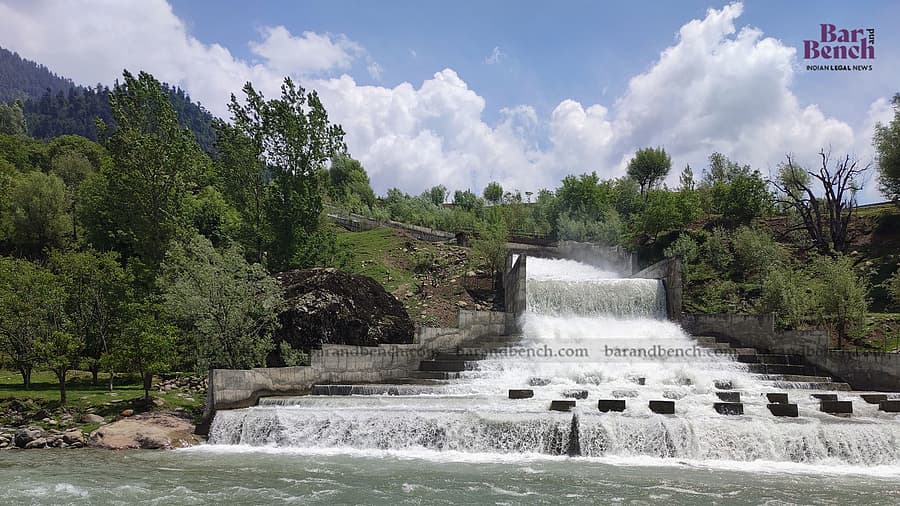
Madras High Court: Tamirabarani River Granted Personhood
Summary
- The Madras High Court recognized the personhood of the Tamirabarani River on July 23, 2026.
- The court granted legal personality to the river to protect its right not to be polluted.
- The decision was influenced by Article 21 of the Constitution and the principles of spiritual ecology.
- The recognition of personhood sets a precedent for increased protection of natural resources in Indian law.
What Happened
The court granted legal personality to the river to protect its right not to be polluted.
The Madras High Court in Sivanupandian v. District Collector made a significant ruling on July 23, 2026, recognizing the personhood of the Tamirabarani River. The court's decision was not merely a recognition of legal personality but also an attempt to change the perception and moral description of actions affecting the river. This approach is a departure from traditional juristic personality, where rights are conferred for specific purposes. In this case, the court granted personhood to the Tamirabarani River to protect its right not to be polluted.
The decision was made in response to an eviction dispute involving the Anandavilas Mandapam in Tirunelveli District. The petitioner had been ordered to vacate the premises under Section 6 of the Land Encroachment Act, 1905. However, the court did not solely focus on the technical aspects of the case but instead used personhood as a means to address a larger environmental question.
Legal Context
The recognition of personhood for the Tamirabarani River is significant in the context of Indian law. The court's decision was influenced by the principles enshrined in Article 21 of the Constitution, which guarantees fundamental rights to citizens. However, the court also acknowledged the intrinsic value of the river and its rights as a juristic person. This approach has implications for environmental rights and the protection of natural resources.
The court's use of personhood as an expressive function is also noteworthy. By granting legal personality to the river, the court aimed to change the perception of actions affecting the environment. This approach is in line with the concept of spiritual ecology, which emphasizes the interconnectedness of human and natural systems.
Why It Matters
The Madras High Court's decision has far-reaching implications for environmental rights and personhood in Indian law. The recognition of the Tamirabarani River as a juristic person sets a precedent that could lead to increased protection of natural resources. This approach also highlights the importance of considering the intrinsic value of ecosystems and the need to change human behavior towards the environment.
Lawyers should take note of this decision, which may impact clients with interests in land use or environmental compliance. The court's use of personhood as an expressive function demonstrates a shift towards a more holistic approach to law and the environment.
Practical Implications
Lawyers should watch for the precedent set by this decision, which could lead to increased recognition of environmental rights and personhood in Indian law, potentially impacting clients with interests in land use or environmental compliance.
Source
How does this affect you?
Get an AI analysis of this article grounded in your jurisdictions, practice areas, and any policy documents you've uploaded to Wansom.
Wansom is AI and can make mistakes.