
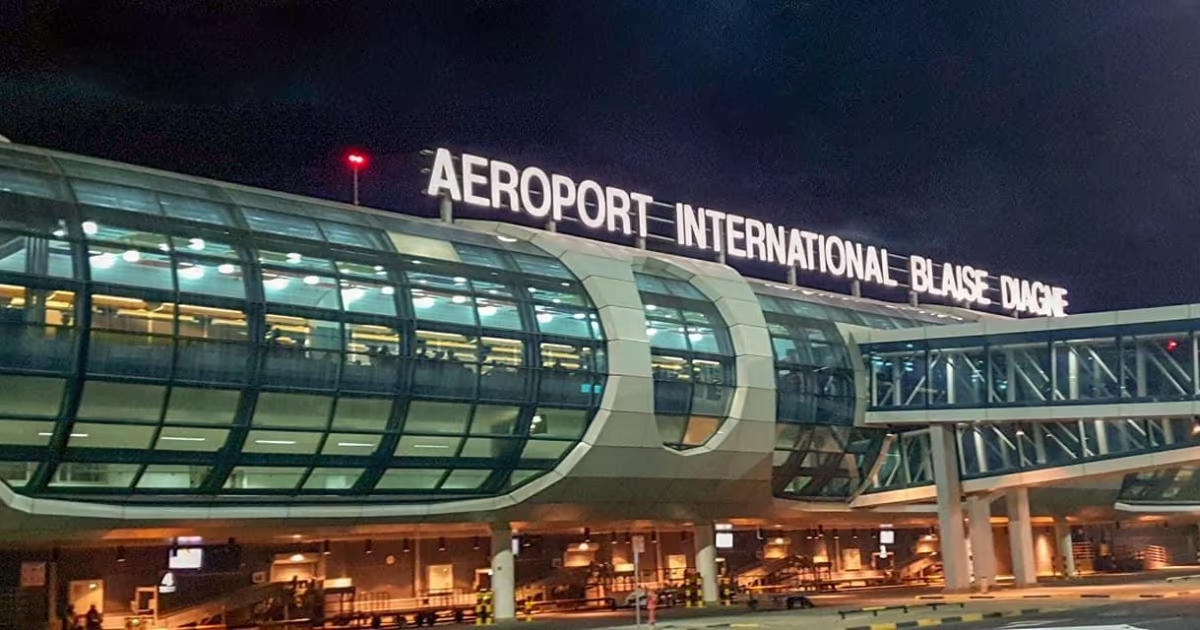
SYNPAAS: AIBD Strike Sanctions Warning Issued Over Worker Pressure
Summary
- SYNPAAS has warned AIBD management against disciplinary sanctions and abusive wage deductions targeting striking employees.
- The union disputes the characterization of the strike as "illicit" and asserts management cannot declare it illegal.
- SYNPAAS states the strike aims to secure a 31 billion FCFA debt owed by Air Sénégal to airport operator LAS.
- The union vows to legally challenge any warnings, reprimands, suspensions, or disproportionate salary deductions.
- SYNPAAS rejects accusations of collusion with LAS and claims that workers are undermining national aviation goals.
What Happened
The union's robust defense of the droit de grève Sénégal and its readiness to challenge perceived abuses serve as a crucial reminder to all employers that disciplinary actions and wage deductions against striking employees must strictly conform to national labor laws.
The National Union of Airport and Air Transport Professionals (SYNPAAS) has issued a stern warning to the management of Aéroports du Sénégal (AIBD) regarding potential disciplinary actions against employees participating in a recent strike. The union specifically raised concerns that the physical clocking-in process for workers at the Yoff and Diass sites could be exploited to identify striking personnel and exert undue pressure on them. This warning was communicated in a formal letter addressed to the Director General of AIBD, as reported by Senenews.
SYNPAAS has also voiced strong objections to the characterization of the industrial action as "illicit" by AIBD management. The union maintains that the strike is a direct consequence of a significant financial dispute, asserting that Air Sénégal owes the airport operator, LAS, more than 31 billion FCFA. According to Mara Gaye, the Secretary General of SYNPAAS, the primary objective of the current movement is to ensure the settlement of this substantial debt.
Furthermore, SYNPAAS has explicitly refuted allegations suggesting collusion with LAS. The union also dismissed interpretations that portray the striking workers as undermining the national airline's strategic ambition to establish Dakar as a prominent regional aviation hub. The union's stance underscores its commitment to protecting its members' interests while navigating complex inter-company financial disagreements.
Legal and Regulatory Context
At the heart of the dispute, SYNPAAS vigorously defends the fundamental droit de grève Sénégal and union freedoms (libertés syndicales AIBD) for its members. The union emphasizes that management lacks the authority to unilaterally declare a strike illegal, arguing that such a determination falls exclusively within the purview of competent judicial bodies. This position highlights a critical aspect of Senegalese labor law, where the legality of industrial action is subject to specific legal processes rather than employer discretion.
In its communication, SYNPAAS made it clear that it intends to legally challenge any punitive measures imposed on striking employees. This includes, but is not limited to, warnings, reprimands, suspensions, or any other disciplinary actions stemming from participation in the industrial movement. The union's proactive stance serves as a significant SYNPAAS avertissement AIBD, signaling its readiness to engage in legal battles to protect its members' rights.
Moreover, the union declared its firm opposition to any retenues sur salaire grévistes it deems abusive or discriminatory. SYNPAAS specified that it would contest deductions that exceed the actual duration of the work stoppage or are applied punitively. This aspect of their warning reinforces the principle that while employers may deduct wages for time not worked during a strike, such deductions must be proportionate and non-punitive, adhering strictly to established labor regulations in Senegal.
Why It Matters
This confrontation between SYNPAAS and AIBD management carries significant implications for employer-employee relations and the enforcement of labor rights across Senegal. The union's robust defense of the droit de grève Sénégal and its readiness to challenge perceived abuses serve as a crucial reminder to all employers that disciplinary actions and wage deductions against striking employees must strictly conform to national labor laws. The SYNPAAS AIBD strike sanctions warning underscores the importance of respecting established legal frameworks governing industrial action.
The union's insistence that only competent jurisdictions can declare a strike illegal reinforces the legal protections afforded to workers and their representatives. This case highlights the potential for legal challenges when employers are perceived to overstep their authority in managing industrial disputes. The outcome of this situation could set a precedent for how similar conflicts are handled, influencing the balance of power between unions and management in key national industries.
Ultimately, the dispute transcends the immediate financial disagreement between Air Sénégal and LAS, evolving into a broader test of union power and the safeguarding of fundamental labor rights within Senegal's aviation sector. The union's commitment to contesting any form of retaliation against its members ensures that the principles of libertés syndicales AIBD remain central to the resolution of this and future industrial actions, emphasizing the need for employers to navigate such situations with careful adherence to legal provisions.
Practical Implications
Employers in Senegal, particularly those facing industrial action, must ensure that any disciplinary measures or wage deductions against striking employees strictly adhere to national labor laws concerning the right to strike and union freedoms, as unions like SYNPAAS are prepared to legally challenge perceived abuses.
Source
Source: Original reporting via Senenews.
How does this affect you?
Get an AI analysis of this article grounded in your jurisdictions, practice areas, and any policy documents you've uploaded to Wansom.
Finish Reading the Full Story and the Expert Analysis.
Wansom is AI and can make mistakes.