
SYNJIT: Nations Unies Togo Urged on Journalistes Précarité
Summary
- The Syndicat National des Journalistes Indépendants du Togo (SYNJIT) has alerted the UN System in Togo about the extreme precarity of private sector journalists.
- A scientific survey conducted by SYNJIT from April to May 2026 revealed that many journalists earn below the national minimum wage of 52,500 FCFA (approx. 81 euros).
- SYNJIT met with Mme Coumba Dieng Sow, UN Resident Coordinator, on September 24, 2026, to discuss a collaborative path forward.
- The union's advocacy aligns with UN Sustainable Development Goals 8 (Decent Work) and 16 (Peace, Justice, and Strong Institutions), emphasizing media's role in democracy.
- The proposed partnership aims to transform precarious jobs into stable careers, curbing the exodus of journalistic talent from Togo.
Advocacy for Press Freedom in Togo
The current precarious employment conditions for journalists in Togo are unsustainable and lead to significant negative consequences.
The Syndicat National des Journalistes Indépendants du Togo (SYNJIT) has formally appealed to the United Nations System in Togo (SNU-Togo), highlighting the severe precarity faced by private sector journalists across the nation. This critical situation, according to SYNJIT, not only undermines democratic governance but also threatens social cohesion within the country.
To substantiate its urgent plea, SYNJIT conducted a rigorous scientific survey between April and May 2026. This comprehensive diagnostic, undertaken in anticipation of the union's 15th anniversary celebration on August 26, 2026, meticulously documented the state of "social asphyxia" prevalent within the Togolese private press. The findings from this survey serve as the factual bedrock for SYNJIT's advocacy efforts.
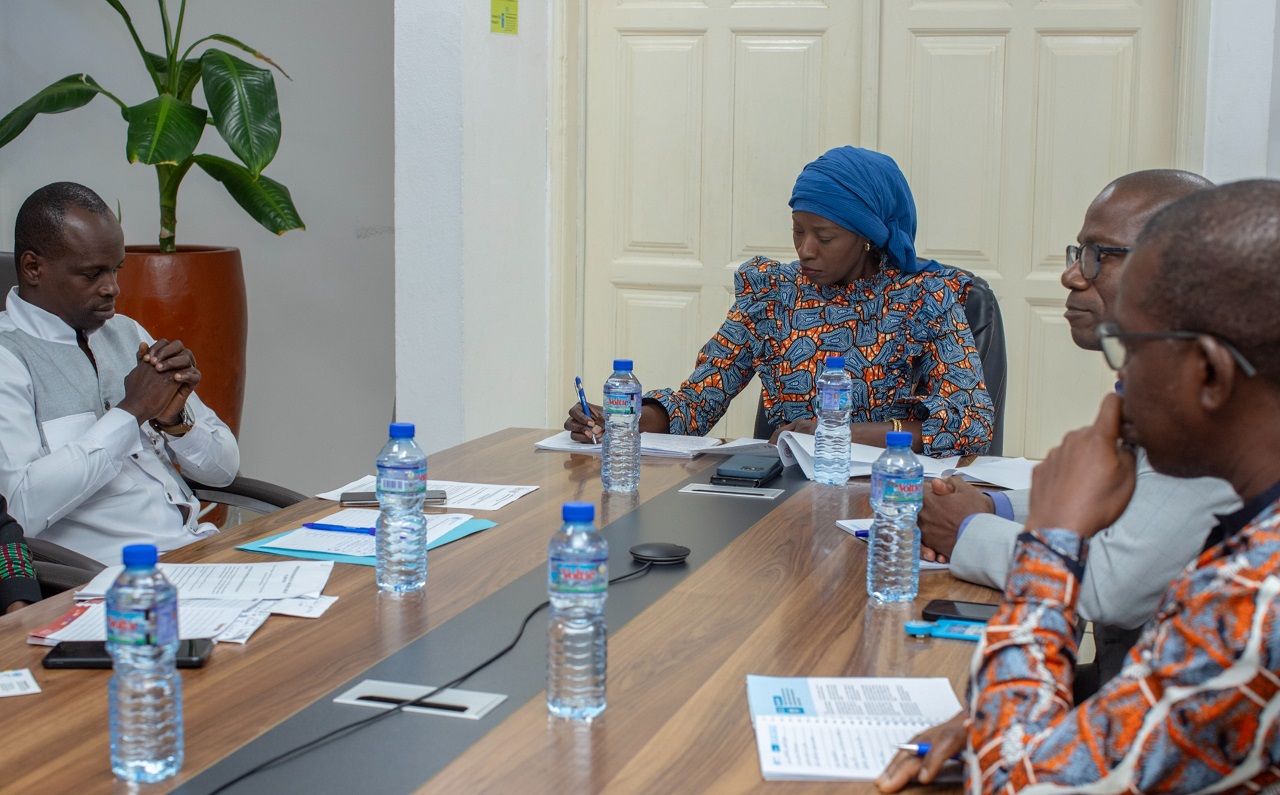
On Thursday, September 24, 2026, SYNJIT representatives met with Mme Coumba Dieng Sow, the Resident Coordinator of the UN System in Togo. The primary objective of this high-level meeting was to collaboratively define a strategic path forward, addressing the pressing social urgency confronting journalists in Togo's private media sector. This engagement marks a crucial initial step towards what both parties hope will be a fruitful and enduring collaboration.
Precarious Conditions in Private Media
The survey results presented to the UN System in Togo paint a stark picture of the working conditions for journalists in the private sector. A central finding reveals that the income levels of these professionals frequently fall below the national minimum wage (SMIG), which stands at 52,500 FCFA, equivalent to approximately 81 euros. Such inadequate remuneration directly contributes to the extreme precarity experienced by these essential workers.
Aligning with Global Development Goals
SYNJIT firmly asserts that the private media sector cannot operate outside the fundamental and universal principles of labor law. The union's conviction is that the current precarious employment conditions for journalists in Togo are unsustainable and lead to significant negative consequences. This includes a substantial exodus of talented individuals from the private press, as they seek more stable opportunities in other professions or even through expatriation, further weakening the media landscape.
SYNJIT's advocacy is strategically aligned with key United Nations Sustainable Development Goals (SDGs). The alarmingly low income levels and precarious employment conditions for journalists in Togo directly contradict SDG 8, which champions Decent Work and Economic Growth. The union emphasizes that transforming these unstable jobs into stable, viable, and structured careers is essential for achieving this global objective.
Furthermore, the plea underscores the vital role of media in upholding democratic principles, linking it to SDG 16: Peace, Justice, and Strong Institutions. The UN System in Togo recognizes that by investing in the social dignity of those who provide free and objective information, it directly promotes SDG 16. This ensures citizens' right to reliable, neutral, and professional information, which is indispensable for public transparency and the strengthening of strong institutions.
A Collaborative Vision for Stability
The envisioned partnership between SYNJIT and the UN System in Togo aims to fundamentally transform the employment landscape for private journalists. The ultimate goal is to transition precarious positions into stable, viable, and structured careers, thereby stemming the significant brain drain of journalistic talent from the sector. This collaborative effort is seen as a critical mechanism to foster better conditions travail journalistes privés Togo.
SYNJIT remains steadfast in its commitment to advocating for a protective and ambitious framework that prioritizes the well-being of private sector journalists in Togo. The union's pursuit of stronger institutions in Togo reflects its unwavering dedication to ensuring that the droit du travail médias Togo is respected and enforced, ultimately creating a more secure and dignified environment for all media professionals.
Practical Implications
This article signals increased scrutiny and potential future policy or enforcement actions regarding labor law compliance for private media companies in Togo. Lawyers advising media organizations should review current employment contracts and practices to ensure adherence to national labor laws, including minimum wage standards, given SYNJIT's advocacy and the involvement of the UN.
Source
How does this affect you?
Get an AI analysis of this article grounded in your jurisdictions, practice areas, and any policy documents you've uploaded to Wansom.
Finish Reading the Full Story and the Expert Analysis.
Get the latest legal & regulatory intelligence in Togo
Wansom is AI and can make mistakes.