
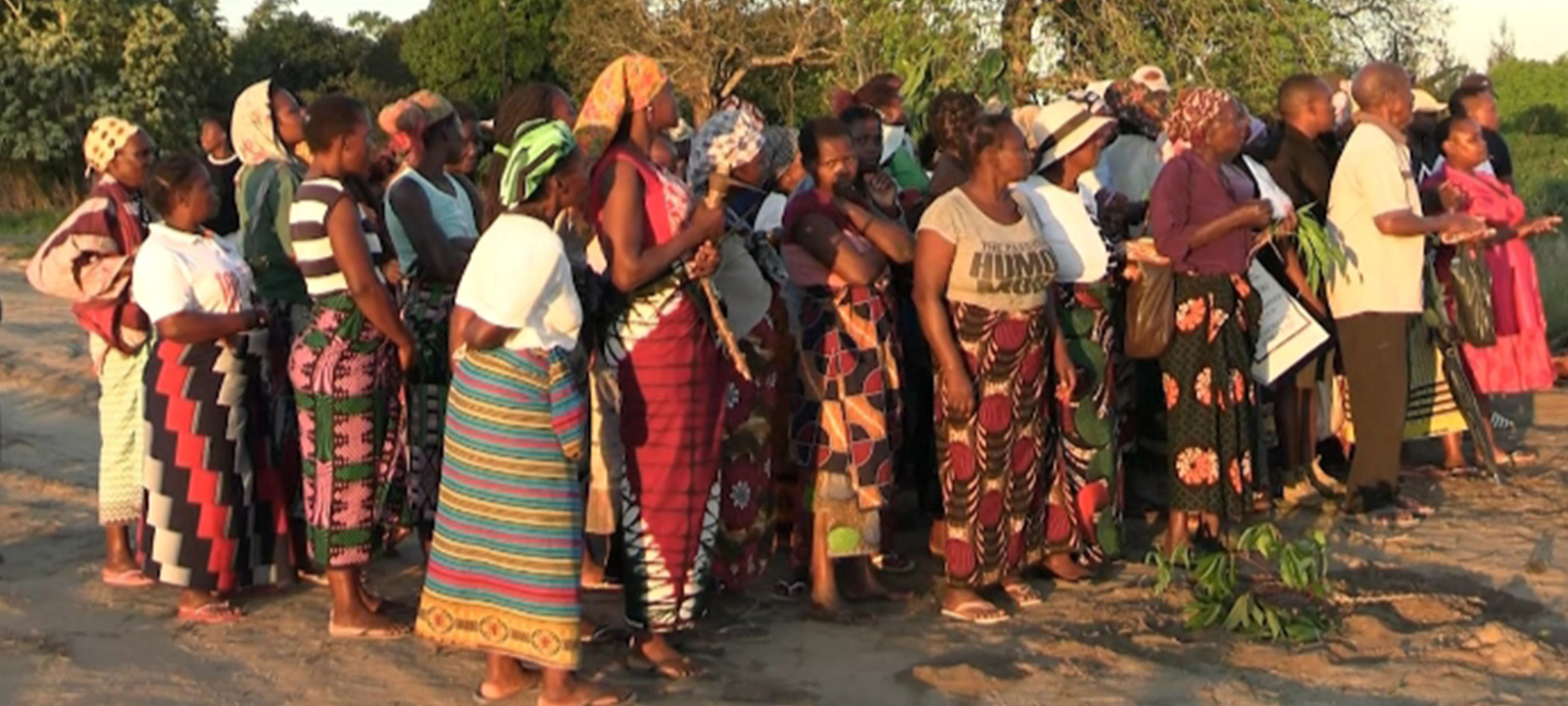
Gaza: Suspensão do Projecto Terra Infraestruturada Gaza por Protestos
Summary
- Over 500 families in Ngulelene, Limpopo district, Gaza, are contesting the government's occupation of 510 hectares of land.
- The dispute concerns the implementation of the `Projecto Terra Infraestruturada`, which locals claim destroyed agricultural fields.
- Community members accuse authorities of proceeding with the project without proper consultation.
- Widespread popular protests have led to the suspension of the `Projecto Terra Infraestruturada` in Gaza.
What Happened
The Ngulelene families' successful protest demonstrates the power of collective action in safeguarding community interests and highlights the importance of integrating social impact assessments and participatory planning into all stages of project development to mitigate legal and operational risks.
The `Projecto Terra Infraestruturada` in Gaza province has recently faced a significant setback, with its operations being suspended following widespread `protestos populares Gaza`. This government-led initiative, intended for the development of 510 hectares of land, has drawn strong opposition from over 500 families residing in the Ngulelene area of the Limpopo district. The community's grievances center on what they describe as an unauthorized `ocupação terra Ngulelene` for the project.
Local residents have vociferously condemned the project's implementation, asserting that agricultural fields, vital for their livelihoods, have been destroyed during the process. A primary point of contention is the alleged failure of authorities to engage in proper `consulta comunidades Moçambique` before advancing with the development. These accusations highlight a critical breakdown in communication and adherence to established protocols for land acquisition and project execution in the region.
Legal Context
The current dispute underscores the complexities surrounding `direito fundiário Moçambique` and the imperative for transparent and inclusive processes in large-scale land development. Legal frameworks in Mozambique typically mandate community consultation and fair compensation when land is appropriated for public or private projects. The claims made by the Ngulelene families suggest a potential deviation from these principles, which can lead to protracted `conflitos terra Moçambique`.
For legal practitioners advising on such ventures, the case of the `Projecto Terra Infraestruturada Limpopo` serves as a stark reminder of the legal and social risks inherent in overlooking community rights. Ensuring meticulous adherence to land tenure laws and fostering genuine dialogue with affected populations are not merely best practices but often legal prerequisites. Failure to do so can result in project delays, financial losses, and significant reputational damage for all parties involved.
Why It Matters
The `suspensão Projecto Terra Infraestruturada Gaza` carries broader implications for future infrastructure and development projects across Mozambique. It signals that community resistance, particularly when rooted in perceived injustices regarding land rights and lack of consultation, can effectively halt even government-backed initiatives. This incident reinforces the critical need for developers and governmental bodies to prioritize robust due diligence and comprehensive community engagement strategies from the outset.
This situation emphasizes that the success of large-scale projects in Mozambique is intrinsically linked to respecting local land rights and ensuring proper `consulta comunidades Moçambique`. The Ngulelene families' successful protest demonstrates the power of collective action in safeguarding community interests and highlights the importance of integrating social impact assessments and participatory planning into all stages of project development to mitigate legal and operational risks.
Practical Implications
Lawyers advising on large-scale land development projects in Mozambique must note the heightened risk of project suspension and community opposition if proper consultation and land rights procedures are not meticulously followed. This case underscores the critical need for robust due diligence and community engagement strategies to mitigate legal and operational risks.
Source
How does this affect you?
Get an AI analysis of this article grounded in your jurisdictions, practice areas, and any policy documents you've uploaded to Wansom.
Finish Reading the Full Story and the Expert Analysis.
Get the latest legal & regulatory intelligence in Mozambique
Wansom is AI and can make mistakes.