
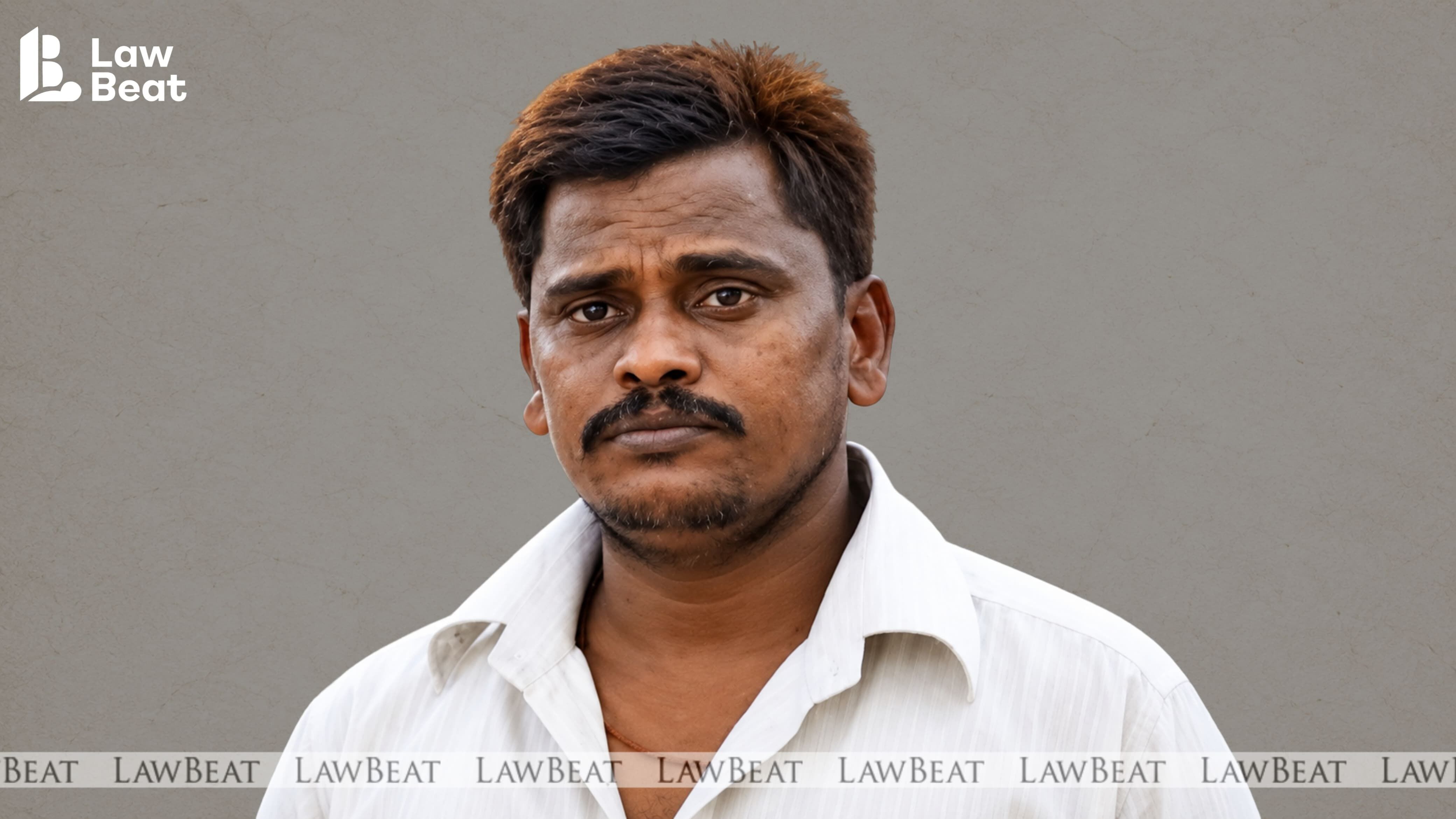
Surendra Koli Nithari Death: Suicide Suspected in Haridwar
Summary
- Surendra Koli, recently acquitted in the Nithari serial killings case, was found dead by apparent suicide in a Haridwar tea stall on September 18.
- His death occurred months after the Supreme Court granted his final acquittal in 2025, concluding nearly two decades in custody.
- Koli had been the principal accused in the Nithari case, initially receiving multiple death sentences before his acquittals by the Allahabad High Court and Supreme Court.
- Courts cited concerns over evidence reliability, procedural lapses, and the circumstances of his confession, including prolonged custody and lack of legal access, as reasons for his acquittal.
Surendra Koli's Tragic End After Acquittal
This judicial emphasis on due process and the right to legal counsel underscores the judiciary's rigorous scrutiny of evidence reliability.
Surendra Koli, who had recently been acquitted in the notorious Nithari serial killings case, was discovered deceased on September 18 inside a tea stall located in Haridwar. Initial police assessments suggest the death was a suicide, although no suicide note was found at the scene. Authorities have initiated an investigation into the circumstances surrounding his death, with the official post-mortem report still pending.
Koli's passing occurred just months after the Supreme Court delivered its final acquittal in 2025, bringing to a close a protracted legal battle that had kept him in custody for nearly two decades. His long period of incarceration, which included years spent on death row, concluded with his exoneration across all cases linked to the disappearances and killings in Nithari village. This somber event marks a poignant end to a case that had garnered significant national attention.
The Nithari Case and Koli's Long Ordeal
The Nithari serial killings case first came to public attention in 2006, following numerous reports of missing children and young women from impoverished families residing in and around Nithari village in Noida. The police investigation intensified after multiple disappearance complaints, ultimately leading to the grim discovery of human remains, including skulls and bones, in a drainage ditch adjacent to a bungalow in Sector 31. This property belonged to businessman Moninder Singh Pandher, where Koli, a native of Mangrukhal village in Uttarakhand's Almora district, was employed as a domestic worker.
Koli, who had moved to the Delhi-NCR region for employment around 2004 at the age of 20 due to financial hardship, quickly became the primary suspect. Both he and Pandher were subsequently arrested. Koli faced multiple trials for grave offenses such as murder, rape, and the destruction of evidence, leading to several death sentences. The Supreme Court notably upheld his death sentence in the case relating to Rimpa Haldar in February 2011. Despite a death warrant being issued in 2014 after his mercy petition was rejected, Koli's execution was stayed. In January 2015, the Allahabad High Court intervened, commuting his death sentence to life imprisonment, citing the significant delay in processing his mercy plea. He remained in custody as his various Nithari-related cases continued their protracted journey through the judicial system.
Judicial Scrutiny and Acquittals
Surendra Koli's eventual freedom stemmed from rigorous judicial examination of the prosecution's case, particularly concerning the reliability of evidence and procedural integrity. The Allahabad High Court, in October 2023, acquitted him in 12 Nithari cases, highlighting critical concerns about investigative shortcomings and lapses in due process. These findings were subsequently upheld by the Supreme Court, which later granted his final acquittal in 2025, concluding the Surendra Koli Supreme Court acquittal process.
A central point of contention was the veracity of Koli's 2007 confession. Courts meticulously scrutinized the conditions under which this confession was obtained, noting his prolonged police custody and the absence of legal counsel during its recording. Allegations of coercion, including tutoring and torture, were also brought forward and considered. Furthermore, the courts questioned the circumstances surrounding the recovery of human remains and other crucial evidence, specifically whether the locations were under Koli's exclusive control, thereby casting doubt on the Nithari case evidence reliability. This judicial emphasis on due process and the right to legal counsel underscores the judiciary's rigorous scrutiny of evidence reliability.
A Life Defined by Custody
Surendra Koli's life, from his early struggles in Uttarakhand to his employment in Noida, became inextricably linked with the Nithari serial killings case. He spent nearly two decades incarcerated, enduring the weight of multiple death sentences and the slow grind of appeals. His journey through the legal system, marked by initial convictions and subsequent acquittals, serves as a stark illustration of the complexities and protracted nature of high-stakes criminal proceedings in India.
His death in Haridwar, occurring just months after his complete exoneration by the Supreme Court, brings a tragic and unexpected end to a saga that began with horrific discoveries and concluded with a judicial declaration of innocence. The investigation into his death continues, leaving unanswered questions about the final moments of a man whose life was largely defined by the Nithari case and the justice system's prolonged engagement with it.
Practical Implications
This case underscores the judiciary's rigorous scrutiny of evidence reliability, procedural lapses, and the circumstances surrounding confessions, particularly in prolonged custody. Lawyers should note the courts' emphasis on due process and the right to legal counsel when challenging prosecution cases or advising clients facing similar investigative practices.
Source
How does this affect you?
Get an AI analysis of this article grounded in your jurisdictions, practice areas, and any policy documents you've uploaded to Wansom.
Finish Reading the Full Story and the Expert Analysis.
Get the latest legal & regulatory intelligence in India
Wansom is AI and can make mistakes.