
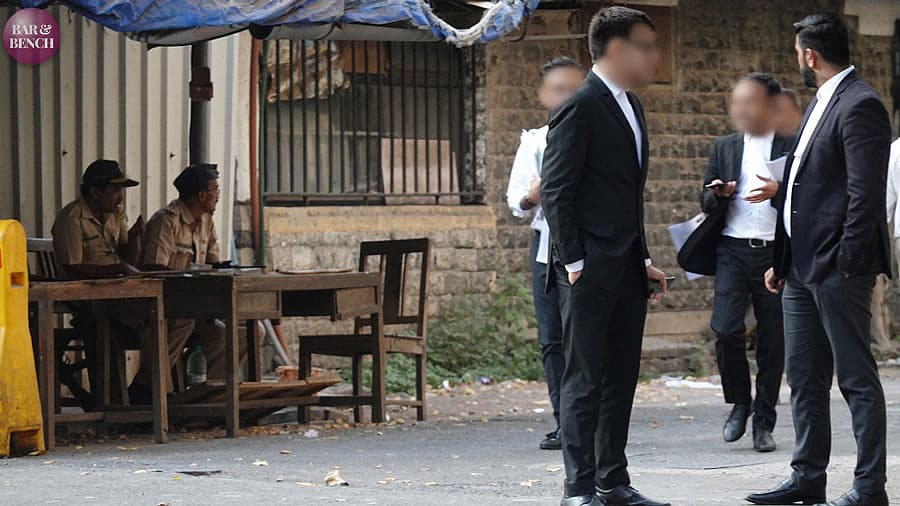
Supreme Court: Upholds Lucknow Lawyers Chambers Demolition
Summary
- The Supreme Court upheld an Allahabad High Court order for the demolition of approximately 72 illegal lawyers' chambers in Lucknow.
- The chambers were located near the District and Sessions Court and were deemed unauthorized constructions.
- Justices Vikram Nath and Sandeep Mehta refused mediation and advised occupants to vacate peacefully.
- The Court emphasized that holding bar association positions does not justify continued encroachment on court premises.
- This ruling reinforces a strict stance against unauthorized structures within judicial precincts across India.
Supreme Court Affirms Demolition Order
The Supreme Court unequivocally stated that such encroachments could not be permitted to persist simply because those occupying them held positions within the local bar association.
The Supreme Court recently affirmed a directive issued by the Allahabad High Court, which mandated the demolition of approximately 72 unauthorized lawyers' chambers situated in close proximity to the District and Sessions Court in Lucknow. This significant decision, handed down on a Tuesday by a bench comprising Justices Vikram Nath and Sandeep Mehta, effectively dismissed an appeal in the case titled Central Bar Association v. State of UP & Ors. The apex court firmly rejected a proposal to refer the contentious dispute to mediation, instead advising the legal professionals occupying these illegal structures to vacate them peacefully and without resistance. This ruling underscores a clear judicial stance against the proliferation of unapproved constructions within or near judicial premises.
Judicial Stance on Encroachment
Central to the Supreme Court's decision was a strong condemnation of the practice of encroaching on public and court lands. Justice Nath, speaking for the bench, made it explicitly clear that the continued existence of these encroachments could not be justified merely because the occupants held influential positions within the local bar association. He pointedly questioned the petitioners, asking, "Where is this offending construction situated? You tell us. You occupy the main road, you occupy the open space inside the court premises, raise unauthorised construction and then say I am elected as the president of the association, I am member of the governing body and therefore I have a right to continue. No. All demolitions have to take place."
Justice Nath further drew upon his personal experience during his tenure as a senior judge in the state, recalling the widespread nature of such encroachments, which he observed led to significant obstruction of roads and traffic flow. His firsthand account reinforced the court's conviction that these structures posed a substantial public nuisance and an affront to proper land use.
Implications for Court Premises Integrity
This Supreme Court ruling sends an unequivocal message regarding the integrity of court premises and the necessity of adhering to building regulations, particularly in the context of "unauthorised construction lawyers Lucknow." The decision, which firmly upholds the "Allahabad HC illegal chambers Lucknow" demolition order, signals that the judiciary will not tolerate the appropriation of public land, even by members of the legal fraternity.
While Senior Advocate Adish Aggarwala had proposed the allocation of alternative sites for the affected lawyers, Justice Nath unequivocally dismissed this suggestion, emphasizing that the focus must remain on the removal of existing illegal structures rather than finding ways to accommodate past transgressions. This judgment reinforces the strict stance against encroachments and the need for rigorous adherence to land use planning and building codes, setting a precedent for similar situations involving "demolition court premises India" and ensuring that judicial precincts remain free from unauthorized development. The Supreme Court's refusal to intervene highlights that bar associations and individual lawyers must ensure their facilities comply with all legal requirements.
Practical Implications
Lawyers and bar associations should be aware that the Supreme Court will not intervene to protect unauthorized structures on court premises, reinforcing the strict stance against encroachments and the need for adherence to building regulations and land use.
Source
How does this affect you?
Get an AI analysis of this article grounded in your jurisdictions, practice areas, and any policy documents you've uploaded to Wansom.
Wansom is AI and can make mistakes.