
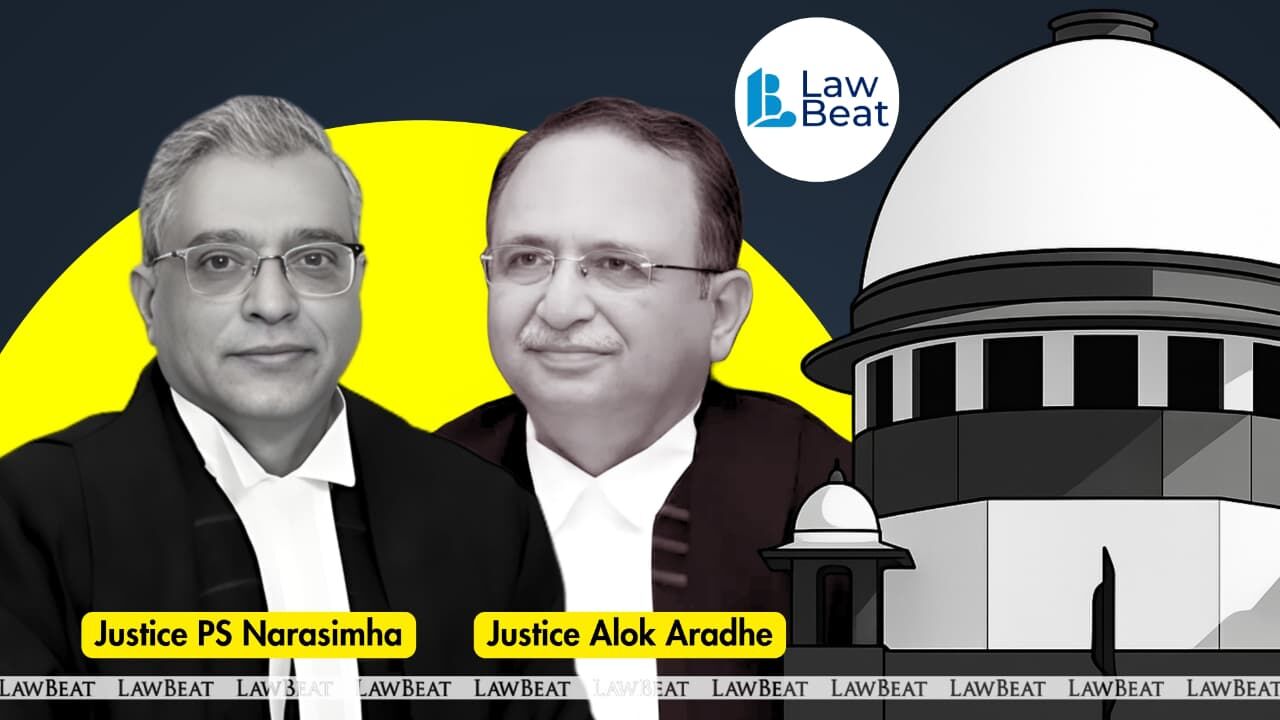
Indian Supreme Court: Tribunals Can Order Evictions to Ensure Senior Citizens' Dignity
Summary
- The Supreme Court has ruled that tribunals under the Maintenance and Welfare of Parents and Senior Citizens Act, 2007 can order eviction when necessary to ensure the maintenance, protection, and dignity of senior citizens.
- The court emphasized that the right to live with dignity is an essential facet of human existence and that tribunals have the power to do all acts or employ all means necessary for exercising their jurisdiction.
- This decision clarifies the scope of powers granted to tribunals under the 2007 Act and provides a crucial safeguard for senior citizens who may be vulnerable to neglect or insecurity.
What Happened
In a recent judgment, the Supreme Court of India restored an eviction order against a son, holding that tribunals under the Maintenance and Welfare of Parents and Senior Citizens Act, 2007 can order eviction when necessary to ensure the maintenance, protection, and dignity of senior citizens. The case involved a dispute over a residential house in Lucknow, Uttar Pradesh, where the owner's mother had been forced to leave due to her son's actions. The District Magistrate upheld the eviction order, but the couple appealed to the Allahabad High Court, which held that the 2007 Act did not empower authorities to pass an order of eviction. However, the Supreme Court reversed this decision, emphasizing that the right to live with dignity is an essential facet of human existence and that tribunals have the power to order eviction when necessary.
Legal Context
The Supreme Court's judgment relied on Sections 7 and 8 of the Maintenance and Welfare of Parents and Senior Citizens Act, 2007, which confer specific jurisdiction on tribunals. The court held that this jurisdiction implies the power to do all acts or employ all means necessary for exercising it, including ordering eviction when necessary to ensure maintenance and protection. This decision is significant because it clarifies the scope of powers granted to tribunals under the 2007 Act and provides a crucial safeguard for senior citizens who may be vulnerable to neglect or insecurity.
Why It Matters
The Supreme Court's judgment has far-reaching implications for senior citizens in India. By recognizing the power of tribunals to order eviction, the court has ensured that these individuals can live with dignity and security, free from neglect or insecurity. This decision also reflects the constitutional commitment to protecting vulnerable sections, including the elderly, and upholds the social welfare legislation aimed at safeguarding their rights. As a result, lawyers advising clients on property disputes involving elderly family members should note that tribunals under the 2007 Act can now order eviction to protect senior citizens' maintenance and protection.
Practical Implications
Lawyers advising clients on property disputes involving elderly family members should note that tribunals under the Maintenance and Welfare of Parents and Senior Citizens Act, 2007 can now order eviction to protect senior citizens' maintenance and protection, as per the Supreme Court's recent judgment.
Source
Source: Original reporting via LawBeat
How does this affect you?
Get an AI analysis of this article grounded in your jurisdictions, practice areas, and any policy documents you've uploaded to Wansom.
Wansom is AI and can make mistakes.