
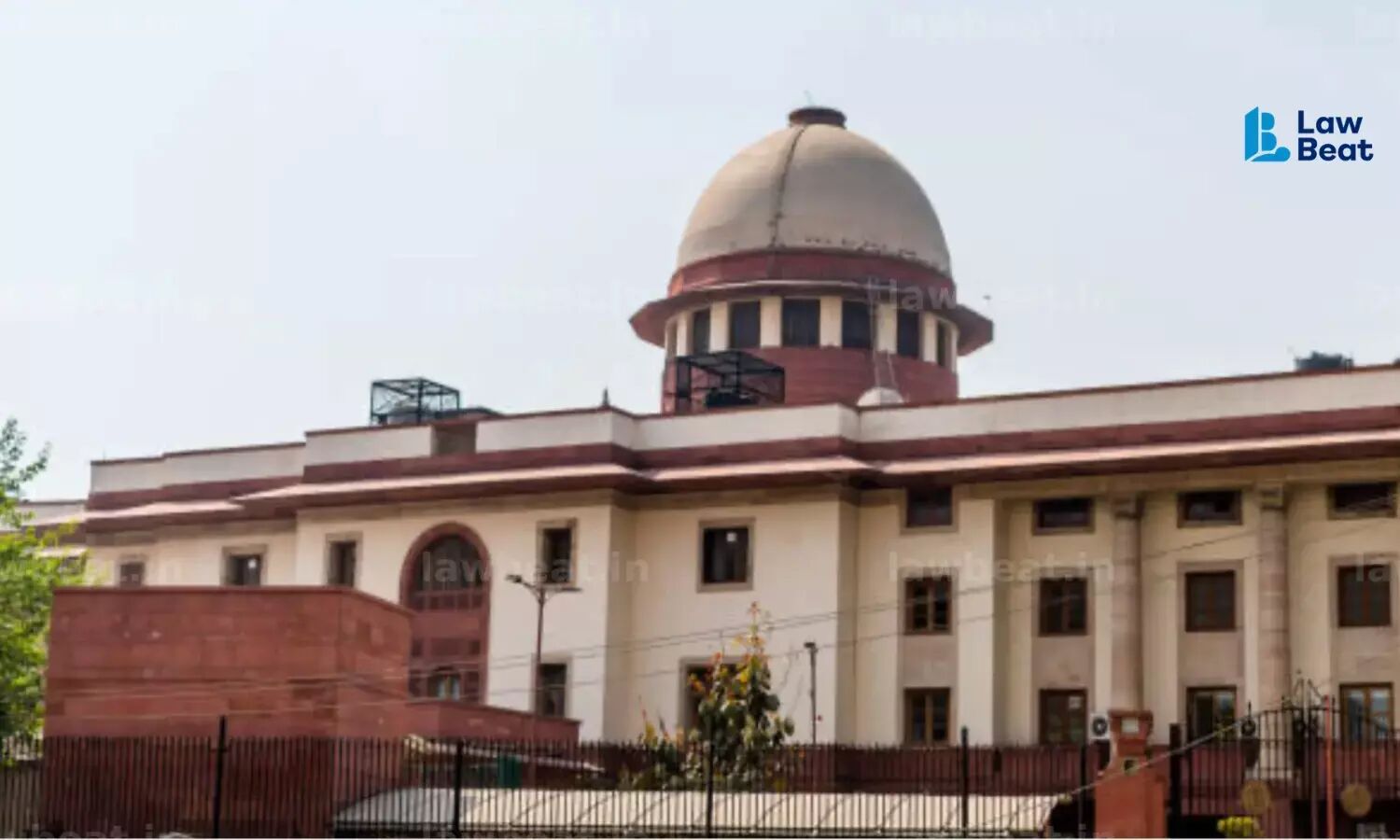
Supreme Court's Samadhan Samaroh Initiative Resolves Over 400 Cases Through Mediation
Summary
- The Supreme Court's Samadhan Samaroh initiative resolved over 400 cases through mediation and mutual agreement on its first day.
- The SAMADHAN initiative aims to reduce pendency in the Supreme Court by promoting mediated adjudication across the country.
- Chief Justice Surya Kant emphasized that the focus of the Samadhan Samaroh is on providing litigants with a mutually acceptable resolution, rather than simply winning or losing.
What Happened
The focus is to ensure that both parties leave the court with a feeling that they have both won.
The Supreme Court's Samadhan Samaroh initiative kicked off on August 21 with a Special Lok Adalat, which saw over 400 cases resolved through mediation and mutual agreement. The event was part of the SAMADHAN initiative, aimed at reducing pendency in the Supreme Court. A total of 16 benches, each comprising two sitting judges and senior advocates, facilitated dialogue between parties to explore amicable settlements. More than 600 cases were listed for settlement, with over 400 being successfully resolved on the first day alone.
Legal Context
The Samadhan Samaroh initiative is a key component of the Supreme Court's efforts to streamline its caseload and reduce pendency. The SAMADHAN initiative itself was launched in April 2026, with the goal of promoting mediated adjudication across the country. Chief Justice Surya Kant has emphasized that the focus of the Samadhan Samaroh is on providing litigants with a mutually acceptable resolution, rather than simply winning or losing. This approach aims to alleviate the stress and anxiety associated with judicial proceedings.
Why It Matters
The success of the Samadhan Samaroh initiative has significant implications for the Indian legal system. By promoting mediation and mutual agreement, the Supreme Court is taking a crucial step towards reducing pendency and streamlining its caseload. Compliance officers and lawyers should take note of this development, as it may set important precedents for dispute resolution in India. The Samadhan Samaroh initiative also highlights the importance of exploring alternative dispute resolution mechanisms to alleviate the burden on the courts.
Practical Implications
Lawyers should watch for potential precedents set by the Samadhan Samaroh initiative, which aims to reduce pendency of cases in the Supreme Court through mediation and mutual agreement. Compliance officers may also want to advise clients on the implications of this new approach to dispute resolution.
Source
How does this affect you?
Get an AI analysis of this article grounded in your jurisdictions, practice areas, and any policy documents you've uploaded to Wansom.
Wansom is AI and can make mistakes.