
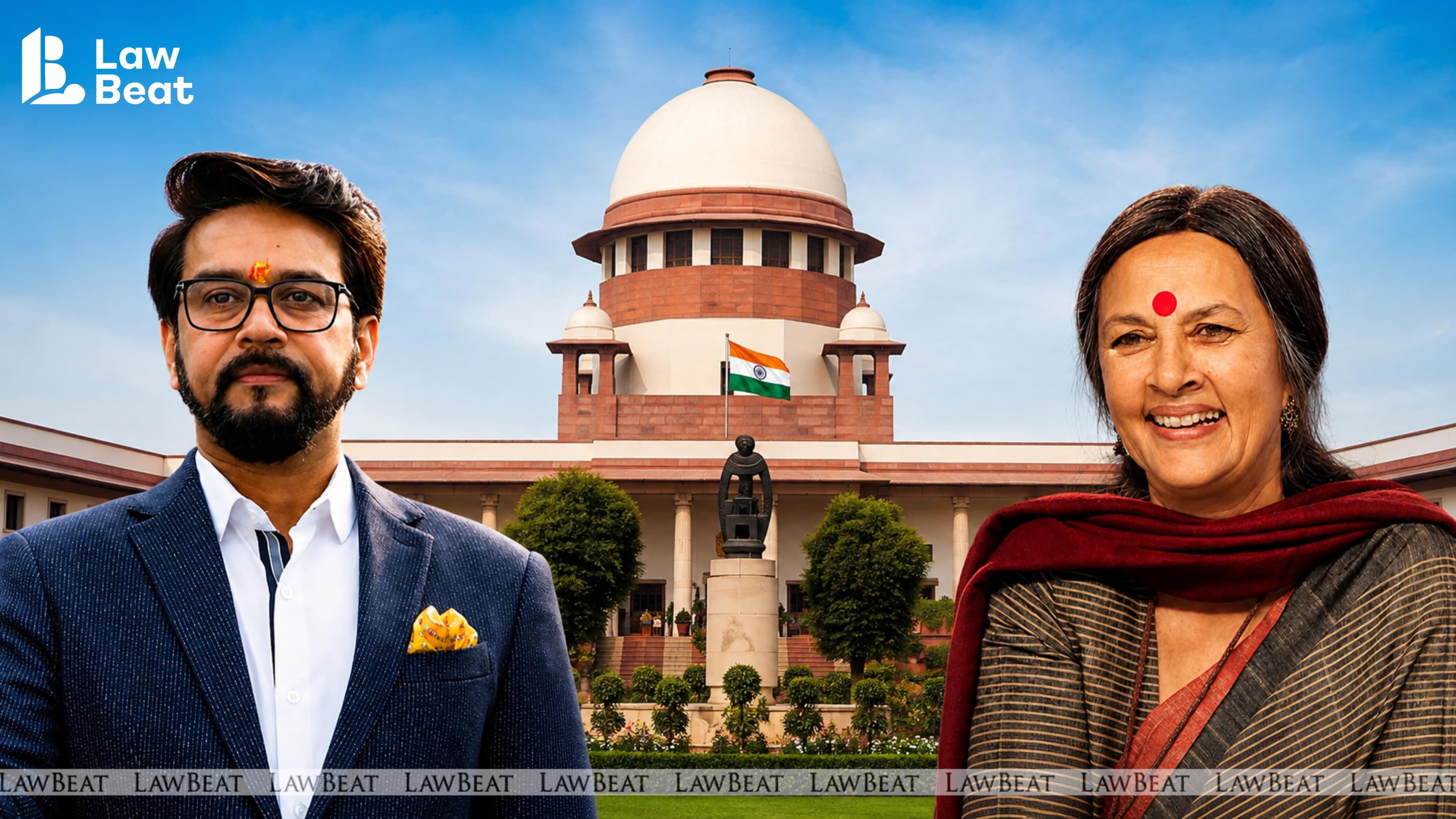
Supreme Court Rejects Brinda Karat's Review Plea in Delhi Poll Hate Speech Case
Summary
- The Supreme Court dismissed Brinda Karat's review petition against its judgment holding that no cognizable offence was made out against BJP leaders Anurag Thakur and Parvesh Verma over their alleged hate speeches during the 2020 Delhi Assembly election campaign.
- The court reaffirmed its earlier holding that prior sanction under Section 196 CrPC is not required before directing investigation under Section 156(3) CrPC in hate speech cases.
- Allegations of hate speech must specifically target an identifiable religious or other protected community to constitute a cognizable offence, the Supreme Court reiterated.
A Reaffirmation of Precedent
The court does not find any error, much less apparent, in the order impugned, warranting its reconsideration.
The Supreme Court's dismissal of Brinda Karat's review petition marks a significant reinforcement of its earlier holding that prior sanction under Section 196 CrPC is not required before directing investigation under Section 156(3) CrPC. This decision has far-reaching implications for the prosecution of hate speech cases in India, where allegations must specifically target an identifiable religious or other protected community to constitute a cognizable offence. In this context, the Supreme Court's rejection of Karat's review plea serves as a reminder that the court's earlier judgment was not merely a procedural ruling, but rather a substantive holding with significant consequences for the legal landscape. The court's decision to uphold its own precedent underscores the importance of consistency in the application of law and the need for clear guidelines in hate speech cases.
The Delhi High Court Judgment
At the heart of this case is the Delhi High Court judgment affirming a Magistrate's refusal to direct registration of an FIR against BJP leaders Anurag Thakur and Parvesh Verma. The high court had found that the speeches delivered by the two leaders during the 2020 Delhi Assembly election campaign did not specifically target any identifiable religious or other protected community, and therefore did not disclose a cognizable hate speech offence. This conclusion was based on the court's examination of the Indian Penal Code sections 153A, 153B, 295A, and 505, which were allegedly violated by the leaders' speeches. The Supreme Court's rejection of Karat's review petition reinforces this finding, underscoring the importance of careful consideration of the evidence in hate speech cases.
The Significance of the Election Commission's Orders
The Election Commission's January 2020 orders, which found that the speeches violated the Model Code of Conduct and led to both leaders being removed from the BJP's list of star campaigners and temporarily barred from campaigning, took on significant importance in this case. Karat had argued that these orders provided strong evidence of the hate speech allegations against the BJP leaders. However, the Supreme Court ultimately rejected this argument, finding no ground to revisit its earlier judgment. The court's decision highlights the need for careful consideration of the evidence and the importance of clear guidelines in hate speech cases.
Practical Implications
Lawyers should note that the Supreme Court's rejection of Brinda Karat's review plea reinforces its earlier holding that prior sanction under Section 196 CrPC is not required before directing investigation under Section 156(3) CrPC, and that hate speech allegations must specifically target an identifiable religious or other protected community to constitute a cognizable offence.
Source
Source: Original reporting via [Source]
How does this affect your business?
Get an AI analysis of this article grounded in your jurisdictions, practice areas, and any policy documents you've uploaded to Wansom.
Wansom is AI and can make mistakes.