
Supreme Court Questions DSSSB on Gender-Specific Teaching Posts
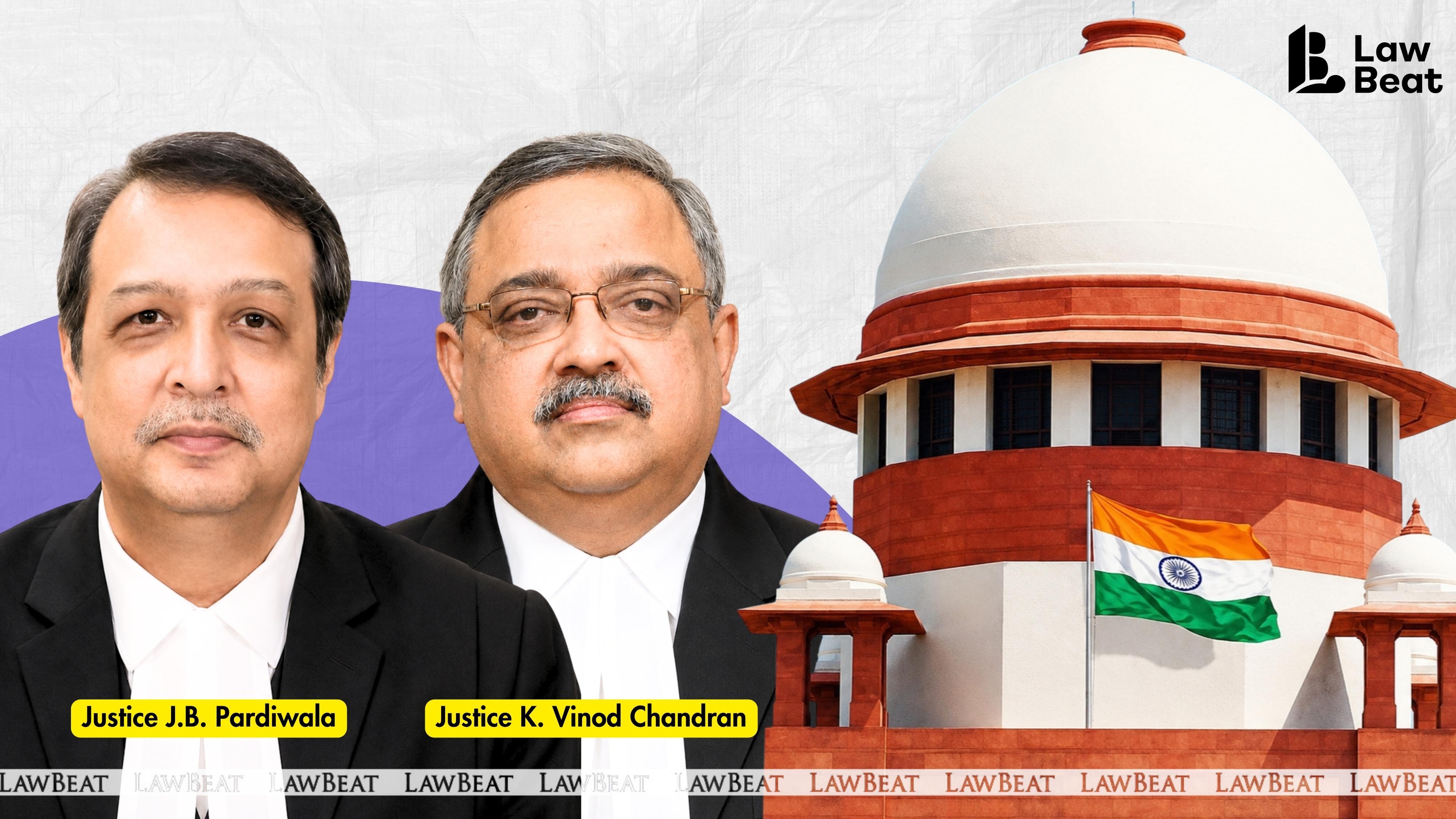
On October 16, 2026, the Supreme Court of India, through a Bench of Justices J.B. Pardiwala and K. Vinod Chandran, questioned the Delhi Government and the Delhi Subordinate Services Selection Board (DSSSB) regarding the legal basis for notifying teaching vacancies separately for men and women without a category for transgender persons.
This development holds profound legal significance for public employment law and the rights of transgender persons in India, signaling the Supreme Court's proactive stance in ensuring inclusivity and non-discrimination. The Court's framing of six specific questions for the Delhi Government indicates a thorough judicial inquiry into the systemic exclusion of the third gender from public sector job notifications. This case could lead to significant policy changes, mandating the inclusion of a 'third gender' category in all public employment advertisements, thereby advancing the constitutional rights of transgender individuals to equality and opportunity.
The legal context of this case arises from a Special Leave Petition filed by Jane Kaushik, challenging a Delhi High Court judgment, and directly implicates constitutional principles of equality (Article 14), non-discrimination (Article 15), and equal opportunity in public employment (Article 16). It builds upon landmark judgments like *NALSA v. Union of India* (2014), which recognized transgender persons as the 'third gender' and affirmed their rights, including the right to self-identification and non-discrimination. The Supreme Court's inquiry into the "legal source of the power" for gender-segregated notifications challenges the administrative practices of bodies like the DSSSB, pushing for alignment with constitutional mandates and existing legal precedents on transgender rights.
Key parties involved include the Supreme Court of India (Justices J.B. Pardiwala and K. Vinod Chandran), the Delhi Government, the Delhi Subordinate Services Selection Board (DSSSB), the petitioner Jane Kaushik, and the Lieutenant Governor of the National Capital Territory of Delhi as the first respondent. Legal representatives include Solicitor General Tushar Mehta and Advocate-on-Record (AoR) Swati Ghildiyal. The outcome of this matter is not yet reported, as the Court has directed respondents to file affidavits within 15 days.
Attorneys specializing in public law, employment law, and human rights should closely monitor the Delhi Government's response and the Supreme Court's subsequent directives in this matter. The outcome will likely establish a clear legal framework for the inclusion of transgender persons in public employment, potentially requiring all government bodies and public sector undertakings across India to revise their recruitment policies and notification formats. Businesses and public institutions should proactively review their diversity and inclusion policies to ensure compliance with evolving legal standards regarding gender identity and employment, anticipating a broader application of these principles beyond teaching posts.
How does this affect you?
Get an AI analysis of this article grounded in your jurisdictions, practice areas, and any policy documents you've uploaded to Wansom.
Finish Reading the Full Story and the Expert Analysis.
Get the latest legal & regulatory intelligence in India
Wansom is AI and can make mistakes.