
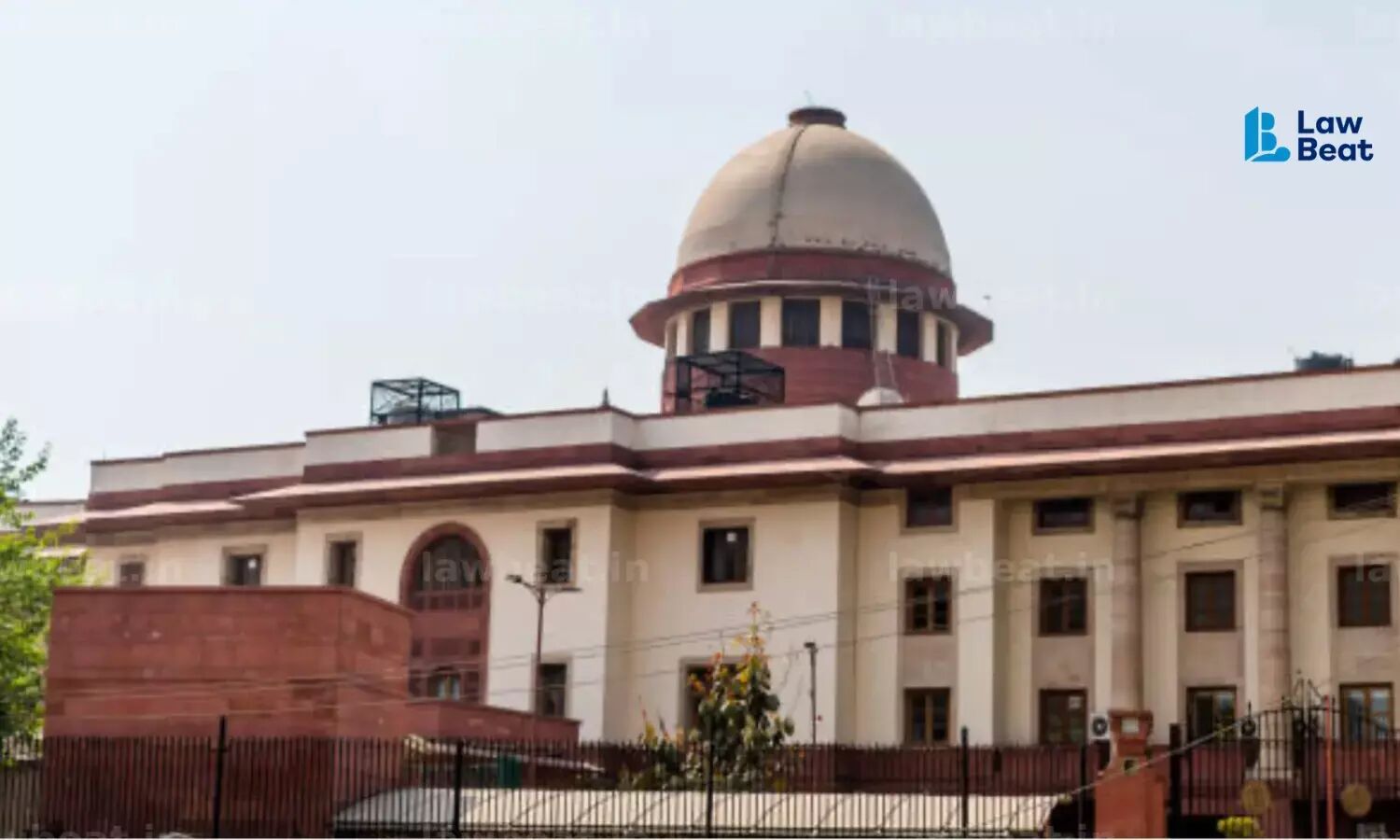
Supreme Court: Petition Seeks Timeline for Centre on Collegium Recommendations
Summary
- Advocate Prashant Bhushan urged the Supreme Court to urgently list a petition seeking strict timelines for the Centre to act on Collegium recommendations.
- The petition, filed by the Centre for Public Interest Litigation (CPIL), argues the government has no say once Collegium recommendations are reiterated.
- The matter has not been listed since December 2023, following Justice S.K. Kaul's retirement.
- A related contempt petition from the Advocates Association of Bengaluru cites the 1993 Second Judges case, arguing delays contravene its judgment.
- CJI Surya Kant indicated the plea is likely to be listed, acknowledging ongoing issues with judicial appointments.
Urgent Listing Sought for Appointment Timelines
The renewed push for a definitive Supreme Court timeline Collegium recommendations Centre carries substantial implications for the independence of the judiciary in India.
Advocate Prashant Bhushan recently pressed the Supreme Court for the urgent listing of a crucial petition. This plea, filed by the Centre for Public Interest Litigation (CPIL), seeks to establish strict timelines for the Union government to act upon recommendations made by the Supreme Court Collegium for judicial appointments. The request was made before Chief Justice of India (CJI) Surya Kant on September 8, 2026, highlighting persistent issues within the judicial appointment process.
Bhushan informed the bench, which also included Justice Bagchi and Justice Mohana, that the matter had not been listed for hearing since December 2023, following the retirement of Justice S.K. Kaul. He noted that despite being scheduled for the previous day, the petition remained unlisted. While acknowledging that some problems in the appointment process might have been resolved, Bhushan emphasized that significant issues still persist.
CJI Kant responded to the advocate's submission, indicating that the matter was "more or less likely to be solved" and could indeed be listed. This exchange underscores the ongoing judicial scrutiny over the executive's role in the appointment of judges, a critical aspect of India's constitutional framework. The CPIL's petition aims to bring greater clarity and accountability to this process.
Legal Precedent and Executive Delays
The core argument presented in the CPIL petition asserts that established jurisprudence unequivocally dictates that once the Collegium, headed by the Chief Justice of India, reiterates names for judicial appointments, the government's discretion in the matter ceases. This principle is central to the ongoing debate surrounding the Supreme Court timeline Collegium recommendations Centre.
This petition was previously under consideration by a bench led by Justice S.K. Kaul, alongside a separate contempt petition filed by the Advocates Association of Bengaluru. The latter petition specifically contends that "inordinate delays" by the Centre in appointing judges to High Courts, even after recommendations have been reiterated by the Collegium, directly contravene the landmark judgment delivered on October 6, 1993, in the Second Judges case. Both petitions uniformly argue that such unreasonable delays are detrimental to the individuals recommended for judicial office.
Further underscoring the judiciary's concerns, a bench led by Justice S.K. Kaul had, in 2022-2023, issued a series of directives to the Centre. During this period, the bench was critical of the government for "sitting over" Collegium recommendations and for engaging in selective appointments, highlighting a pattern of government delay judicial appointments India. These past observations provide a significant backdrop to the current plea for fixed timelines.
Implications for Judicial Independence
The renewed push for a definitive Supreme Court timeline Collegium recommendations Centre carries substantial implications for the independence of the judiciary in India. The petitions seek to formalize a process that has frequently been a point of contention between the executive and the judiciary, aiming to prevent prolonged vacancies and ensure timely judicial appointments.
Establishing clear timelines would not only streamline the appointment process but also reinforce the constitutional balance of power, limiting the scope for executive interference or indefinite deferral of Collegium decisions. The involvement of prominent legal figures like Prashant Bhushan Collegium matters underscores the gravity of these issues for the legal fraternity.
The Supreme Court's eventual decision on this matter could set a crucial precedent, potentially reshaping the dynamics of judicial appointments and enhancing accountability within the system. It addresses the persistent challenge of India judicial appointments delay, striving for a more efficient and transparent mechanism for filling judicial vacancies across the country.
Practical Implications
This development signals a potential shift towards greater accountability and fixed timelines for the executive's role in judicial appointments. Lawyers and constitutional law experts should closely follow the Supreme Court's decision, as it could establish crucial precedents regarding judicial independence and the balance of power between the judiciary and the government in India.
Source
How does this affect you?
Get an AI analysis of this article grounded in your jurisdictions, practice areas, and any policy documents you've uploaded to Wansom.
Finish Reading the Full Story and the Expert Analysis.
Wansom is AI and can make mistakes.