
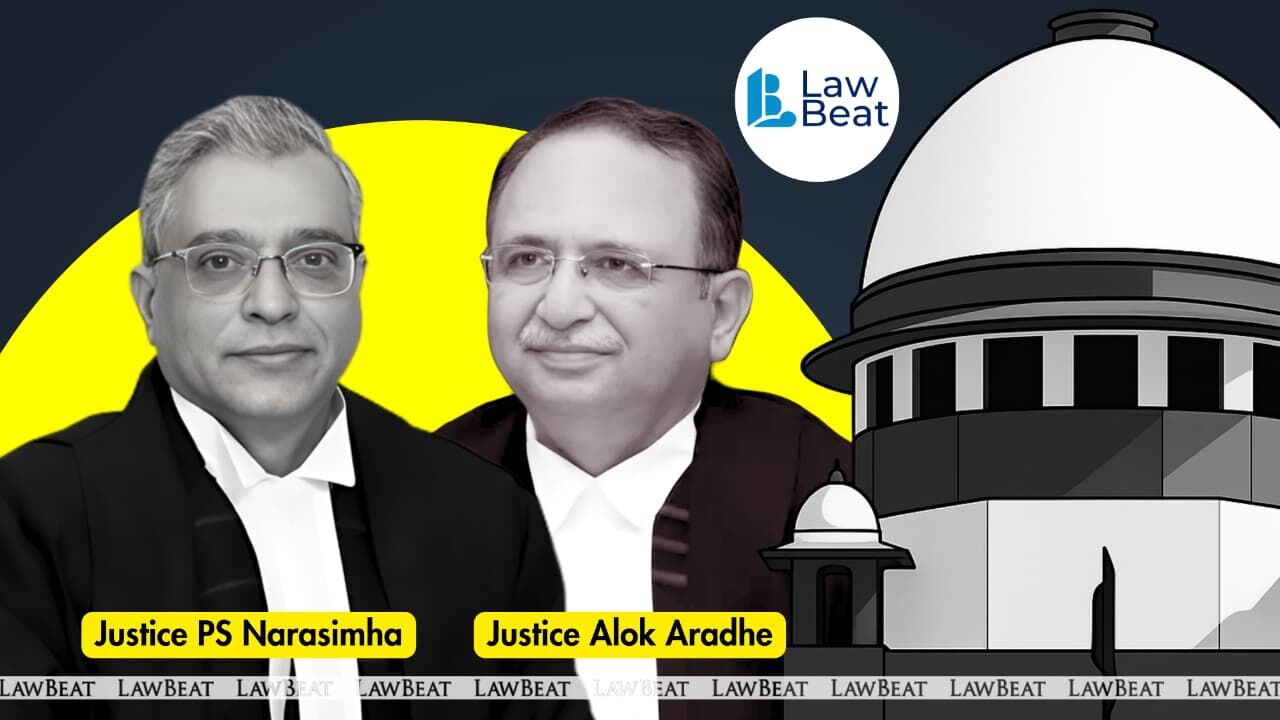
Uttarakhand Supreme Court: Non-PSC Consultation Doesn't Invalidate Appointments
Summary
- The Supreme Court has ruled that non-consultation with the Public Service Commission does not invalidate appointments.
- The decision applies to temporary or officiating appointments where the State's failure to consult the PSC is solely attributable to its own actions.
- Promotees may still be entitled to count ad hoc service for seniority despite non-compliance with PSC consultation requirements.
- The ruling has significant implications for public service appointments in India, particularly regarding the distinction between directory and mandatory requirements.
Supreme Court's Ruling on PSC Consultation
No doubt, the Commission was not consulted. However, the consultation being a directory requirement, the default of consultation does not invalidate the ad hoc appointments by way of ad hoc promotions of the promotees to the post of Deputy Collector.
The Supreme Court has delivered a significant judgment that non-consultation with the Public Service Commission (PSC) does not invalidate appointments. This ruling has far-reaching implications for temporary or officiating appointments, where the State's failure to consult the PSC is solely attributable to its own actions. The Court held that such consultation is a directory requirement, meaning it is not mandatory and non-compliance does not render an appointment invalid. In this context, the Supreme Court's decision has been welcomed by lawyers who argue that promotees may still be entitled to count ad hoc service for seniority. The ruling was delivered in response to an appeal filed by the State of Uttarakhand against a 2019 judgment of the Uttarakhand High Court.
Context and Background
The case revolves around the promotion of Naib Tehsildars to the post of Deputy Collector. The promotions were made in 2007, but the State failed to consult the PSC as required by Rule 24(4) of the Rules and Regulation 5(a) of the Uttaranchal Public Service Commission (Limitations of Functions) Regulations, 2003. These provisions stipulate that approval from the Commission is necessary for appointments made on a temporary or officiating basis for more than one year. The high court had directed the State to revise the seniority list and complete the exercise within four months.
Why It Matters
The Supreme Court's ruling has significant implications for public service appointments in India. It means that non-compliance with PSC consultation requirements may not invalidate temporary or officiating appointments, allowing promotees to still count ad hoc service for seniority. This decision is seen as a victory for lawyers who argue that the State should not be allowed to take advantage of its own failure to consult the PSC. The ruling also highlights the importance of understanding the distinction between directory and mandatory requirements in public service law.
Practical Implications
Lawyers should note that the Supreme Court's ruling means that non-compliance with PSC consultation requirements may not invalidate temporary or officiating appointments, and promotees may still be entitled to count ad hoc service for seniority.
Source
How does this affect you?
Get an AI analysis of this article grounded in your jurisdictions, practice areas, and any policy documents you've uploaded to Wansom.
Wansom is AI and can make mistakes.