
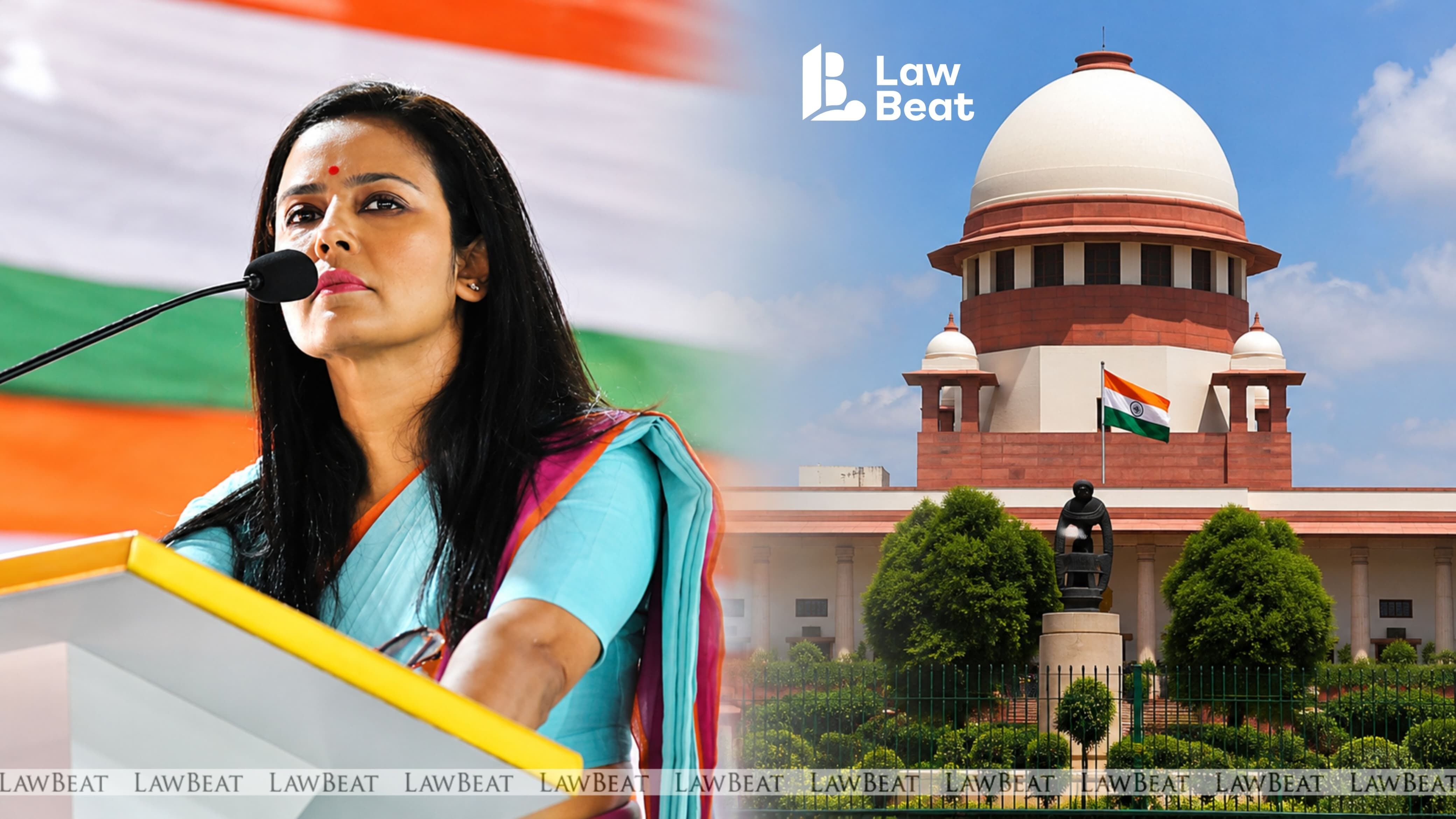
Supreme Court: No Virtual Appearance for Mahua Moitra in Facebook Post Probe
Summary
- The Supreme Court dismissed Mahua Moitra's plea to join the investigation into an alleged provocative Facebook post virtually.
- The court observed that having entered politics, Moitra should not fear protests or eggs being thrown at her.
- Moitra had argued that she was legally entitled to seek virtual appearance, but the court remained unimpressed.
- The Bench pointed out that Moitra had an adequate remedy before the High Court if she chose not to appear before the Investigating Officer.
Supreme Court Rejects Mahua Moitra's Virtual Appearance Plea
The Supreme Court has dismissed Trinamool Congress MP Mahua Moitra's plea to join the investigation into an alleged provocative Facebook post virtually. The court observed that having entered politics, Moitra should not fear protests or eggs being thrown at her. This decision comes after a Bench of Justices Dipankar Datta and Sheel Nagu questioned the necessity of virtual appearance when physical presence is required for the investigation.
Moitra's lawyer, Senior Advocate Gopal Sankarnarayanan, argued that his client was legally entitled to seek virtual appearance. However, the court remained unimpressed, with Justice Datta remarking that freedom fighters had faced bullets in their struggle for independence and that such applications should not reach the Supreme Court.
The Bench also pointed out that Moitra had an adequate remedy before the High Court, referring to paragraph 19 of the impugned order. If she chose not to appear before the Investigating Officer, she would have to face the consequences before the High Court.
Legal Context: Virtual Appearance in Indian Courts
The Supreme Court's decision highlights the limitations of virtual appearance in Indian courts. While some courts allow virtual appearances, this is not a blanket rule and can be subject to judicial discretion. In this case, the court deemed physical presence necessary for the investigation, citing the need for the Investigating Officer to interact with Moitra directly.
The court's observation that freedom fighters had faced bullets in their struggle for independence underscores the importance of resilience in public life. It also suggests that politicians should be prepared to face challenges and protests as part of their duties.
This ruling may have implications for lawyers representing politicians, who will need to advise their clients on the potential consequences of refusing to appear before investigating agencies.
Why This Ruling Matters
The Supreme Court's decision has significant implications for politicians and public figures in India. It sets a precedent that virtual appearance may not be sufficient in all cases, particularly when physical presence is required for the investigation.
This ruling also highlights the importance of resilience in public life. Politicians should be prepared to face challenges and protests as part of their duties. The court's observation that freedom fighters had faced bullets in their struggle for independence underscores this point.
As lawyers representing politicians navigate this new landscape, they will need to advise their clients on the potential consequences of refusing to appear before investigating agencies.
Practical Implications
Lawyers representing politicians may need to advise their clients on the implications of this ruling, particularly with regards to the potential consequences of refusing to appear before investigating agencies.
Source
Source: Original reporting via LawBeat
How does this affect your business?
Get an AI analysis of this article grounded in your jurisdictions, practice areas, and any policy documents you've uploaded to Wansom.
Wansom is AI and can make mistakes.