
Supreme Court Limits IEEPA Tariffs Authority in Learning Resources v Trump
Summary
- The Supreme Court ruled against the president's authority to impose tariffs under the International Emergency Economic Powers Act (IEEPA).
- The decision was based on the court's interpretation of the IEEPA and its limitations on presidential power.
- The outcome may limit the ability of future presidents to impose tariffs unilaterally, leading to increased collaboration between the executive and legislative branches on trade issues.
What Happened
The outcome ultimately depended on interpreting the IEEPA in a way that limited presidential power.
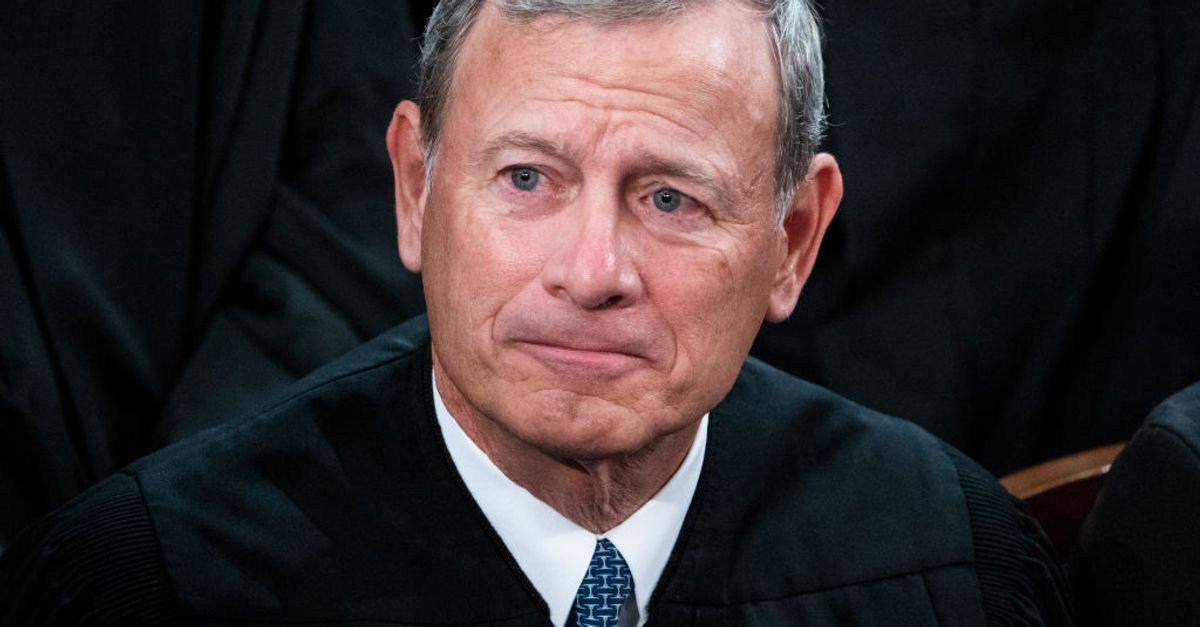
In November 2025, Chief Justice John Roberts was tasked with writing the majority opinion in Learning Resources v. Trump. The case centered on whether the International Emergency Economic Powers Act (IEEPA) granted authority for imposing tariffs. Despite the president's presence at oral argument and warnings from the solicitor general that a decision against tariffs could lead to another Great Depression, Roberts had to navigate complex legal concepts such as separation of powers, textualism, and the major questions doctrine. The outcome ultimately depended on interpreting the IEEPA in a way that limited presidential power.
Legal Context
The IEEPA has been a contentious issue in trade policy, with its authority to impose tariffs being challenged by various parties. In this case, Learning Resources v. Trump, the Supreme Court was tasked with determining whether the president's actions were within the scope of the IEEPA. The court's decision would have significant implications for future trade policy and the balance of power between the executive and legislative branches. The major questions doctrine, which holds that courts should not defer to agency interpretations of ambiguous statutes, played a crucial role in the case.
Why It Matters
The Supreme Court's decision in Learning Resources v. Trump has far-reaching implications for presidential power and trade policy. By limiting the authority granted by the IEEPA, the court may have restricted the president's ability to impose tariffs unilaterally. This shift in power dynamics could lead to increased collaboration between the executive and legislative branches on trade issues. The decision also highlights the importance of textualism, a judicial approach that emphasizes the literal meaning of statutes, in interpreting complex laws.
Practical Implications
Lawyers should watch for the implications of this decision on presidential power and the potential impact on future trade policy, as it may limit the ability to impose tariffs unilaterally.
Source
How does this affect you?
Get an AI analysis of this article grounded in your jurisdictions, practice areas, and any policy documents you've uploaded to Wansom.
Wansom is AI and can make mistakes.