
Supreme Court: FSSAI Food Warning Label Thresholds Scrutinized
Summary
- The Supreme Court questioned the Food Safety and Standards Authority of India (FSSAI) on proposed front-of-pack warning labels for packaged foods high in sugar, salt, sodium, and fat.
- Key concerns included defining the 'high' thresholds for these ingredients and the relevance of serving size versus 100-gram measurements.
- An advocate alleged a 'complete U-turn' by FSSAI from its earlier position on labeling guidelines, referencing a 2021 meeting and ICMR guidelines.
- The Court also addressed broader issues such as differentiated warnings for ultra-processed foods and the proposed use of red color for warning labels.
- Emphasizing public health, especially that of children, the Supreme Court directed all parties to submit a further report and prepare thoroughly for the next hearing on September 28.
Supreme Court Questions FSSAI on Warning Label Thresholds
We are concerned with the health of people, more particularly growing children.
The Supreme Court of India recently scrutinized the proposed framework by the Food Safety and Standards Authority of India (FSSAI) for front-of-pack warning labels on packaged food products. The Court, comprising Justices JB Pardiwala and K Vinod Chandran, specifically raised questions regarding the precise thresholds that would define when ingredients like sugar, salt, sodium, and fats are considered "high" for labeling purposes. This inquiry follows an earlier directive from the Court to the FSSAI to explore the introduction of such warning labels for products high in sugar, salt, and saturated fat.
The Court sought clarity on the operational mechanics of the proposed warning system, questioning how the "high" designation would be determined given that nutritional information is already available on the back of packaged food products. Senior Advocate Maninder Singh, representing a party, explained that the FSSAI's framework involves a dual assessment: evaluating nutritional content per 100 grams/100 ml and also per serving. He illustrated the complexity with an example of pickle, noting that a 100-gram consumption might not be realistic for a single serving, thus highlighting the critical role of serving size in determining the applicability of these India front-of-pack food labels.
Adding to the complexities, Advocate Rajiv Shanker Dvivedi alleged that the FSSAI had made a "complete U-turn" from its previous position on these packaged food labeling regulations India. Dvivedi presented a chart to the Bench, referencing a 2021 meeting and ICMR guidelines, to highlight what he claimed were inconsistencies in the food regulator's stance. In response to these concerns, the Supreme Court directed both the Union government and the FSSAI to thoroughly study the Court’s order and submit a comprehensive further report on the matter.
Broader Regulatory and Design Concerns
Beyond the specific Supreme Court FSSAI food warning label thresholds, the hearing also brought to light broader concerns regarding the scope and design of these FSSAI high sugar salt fat warnings. Counsel raised the issue of ultra-processed foods, arguing that such products should not be categorized identically to other nutritionally distinct packaged foods, such as eggs or salted cashews. It was suggested that ultra-processed food warnings India might necessitate a more stringent level of caution on their labels.
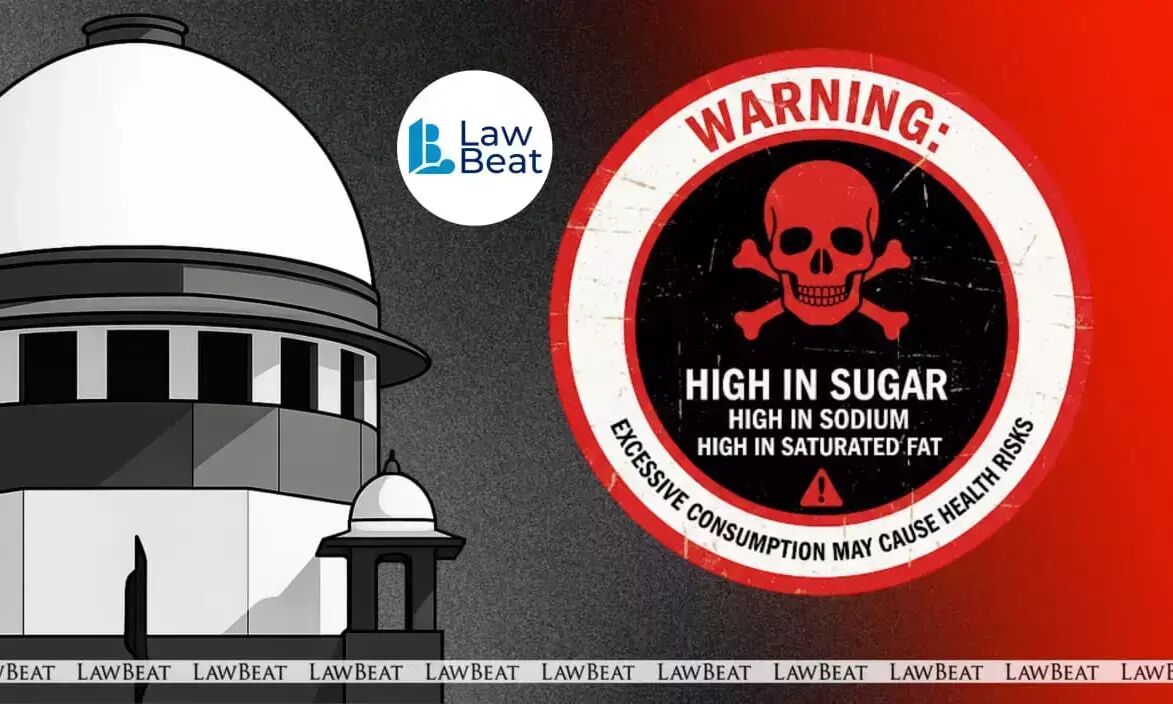
Another significant point of contention was the proposed use of the color red for front-of-pack warnings. Counsel argued that red is conventionally associated with non-vegetarian food products in India, suggesting that an alternative color might be more appropriate to avoid consumer confusion. The Bench acknowledged this concern, stating, "Leave it to us," indicating that the Court would consider this aspect in its deliberations on food safety compliance India.
Court Emphasizes Public Health and National Interest
The Supreme Court underscored the profound public health implications of the matter, particularly emphasizing the health of children. The Bench explicitly stated, "We are concerned with the health of people, more particularly growing children," signaling the gravity with which it views the ongoing discussions around the Food Safety and Standards Authority of India's proposed regulations. The Court affirmed its serious commitment to the issue, characterizing it as a matter of national interest and expecting full cooperation from all parties involved.
To ensure a thorough and conclusive resolution, the Court issued a clear directive for the next hearing. It mandated that all parties must come prepared with all necessary material, indicating that the session would move beyond mere submissions and delve into substantive discussions. The matter is scheduled to be taken up again on September 28, with the Court expecting a well-researched and comprehensive approach from all stakeholders.
Practical Implications
The Supreme Court's active questioning of FSSAI's proposed thresholds for front-of-pack food warning labels indicates that the regulatory framework is still fluid and subject to significant judicial review. Lawyers and compliance officers in the food and beverage industry must closely monitor these proceedings for potential changes to labeling requirements and compliance obligations, particularly regarding the definition of 'high' content and serving size considerations.
Source
Source: Original reporting via Live Law
How does this affect you?
Get an AI analysis of this article grounded in your jurisdictions, practice areas, and any policy documents you've uploaded to Wansom.
Finish Reading the Full Story and the Expert Analysis.
Get the latest legal & regulatory intelligence in India
Wansom is AI and can make mistakes.