
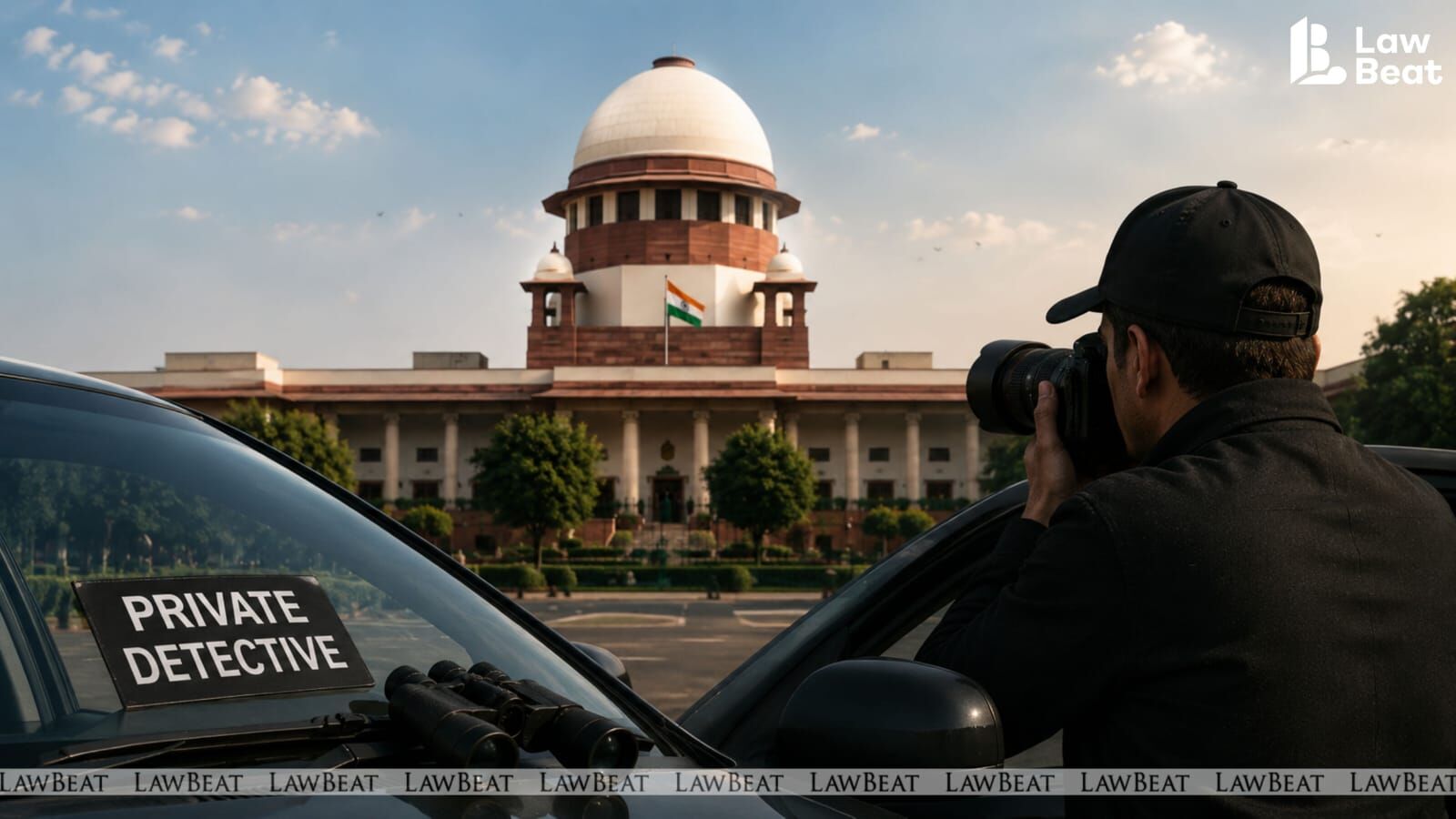
Supreme Court Flags Concerns Over Private Investigators in Matrimonial Disputes
Summary
- The Supreme Court flagged concerns over private investigators collecting and presenting evidence in matrimonial disputes.
- The court emphasized the need for regulation and accountability in private investigation, particularly in dealing with evolving methods of evidence collection.
- Private investigators may be infringing on individuals' right to privacy by engaging in voyeurism or collecting data without proper authorization.
- Lawyers should advise their clients on the need for safeguards and regulation in this area to protect individual privacy and prevent misuse.
What Happened
The court noted that there was no mechanism in place to regulate these investigators and ensure they do not infringe on individuals' right to privacy.
In a recent maintenance dispute case, the Supreme Court flagged concerns over private investigators collecting and presenting evidence in matrimonial disputes. The court was reviewing an appeal by a husband who had been ordered to pay interim maintenance to his wife. However, he alleged that she was in an adulterous relationship, making her ineligible for maintenance. The husband had submitted 92 videos and 237 photographs as evidence, which raised questions about the methods used by private investigators to collect this material. The court noted that there was no mechanism in place to regulate these investigators and ensure they do not infringe on individuals' right to privacy.
Legal Context
The Supreme Court's concerns are rooted in the need for regulation and accountability in private investigation. The court emphasized the importance of having a mechanism to deal with evolving methods of evidence collection, particularly in matrimonial disputes. This includes ensuring that private investigators do not engage in voyeurism or collect data without proper authorization. The court also highlighted the need for verification of evidence collected by private detectives, citing Section 63 of the Bharatiya Sakshya Adhiniyam, 2023. However, the bench acknowledged that this is only one aspect of the issue and that checks and measures are required from various areas of law, law enforcement, and privacy experts.
Why It Matters
The Supreme Court's call for regulation of private investigators in matrimonial disputes has significant implications for data protection and individual privacy. The court's concerns about the methods used by private investigators to collect evidence raise questions about the potential for misuse and infringement on individuals' rights. Lawyers should be aware of these issues and advise their clients accordingly, emphasizing the need for safeguards and regulation in this area. As the Supreme Court noted, there is currently no body that can address these concerns, highlighting the need for urgent action to protect individual privacy and prevent the misuse of private investigation services.
Practical Implications
Lawyers should be aware of the potential for private investigators to collect and present evidence that may infringe on clients' right to privacy, and advise clients on the need for regulation and safeguards in this area.
Source
How does this affect you?
Get an AI analysis of this article grounded in your jurisdictions, practice areas, and any policy documents you've uploaded to Wansom.
Wansom is AI and can make mistakes.