
Supreme Court Directs Centre To Form Committee On Unethical Pharma Marketing
Summary
- The Supreme Court has directed the Union government to form a committee to examine the need for statutory regulation of pharmaceutical marketing practices.
- The committee's mandate includes curbing unethical interactions between pharmaceutical companies and doctors.
- The directive stems from a petition highlighting concerns about excessive drug prescriptions and the promotion of high-cost brands.
- The Court had previously questioned the enforceability of the existing Uniform Code for Pharmaceutical Marketing Practices (UCPMP) 2024.
- The Union government is scheduled to file a compliance affidavit by January 29, 2027.
Supreme Court Mandates Committee on Pharma Marketing Oversight
The petition underscored how such unethical practices directly compromise citizens' health and infringe upon their fundamental rights enshrined in Article 21 of the Constitution.
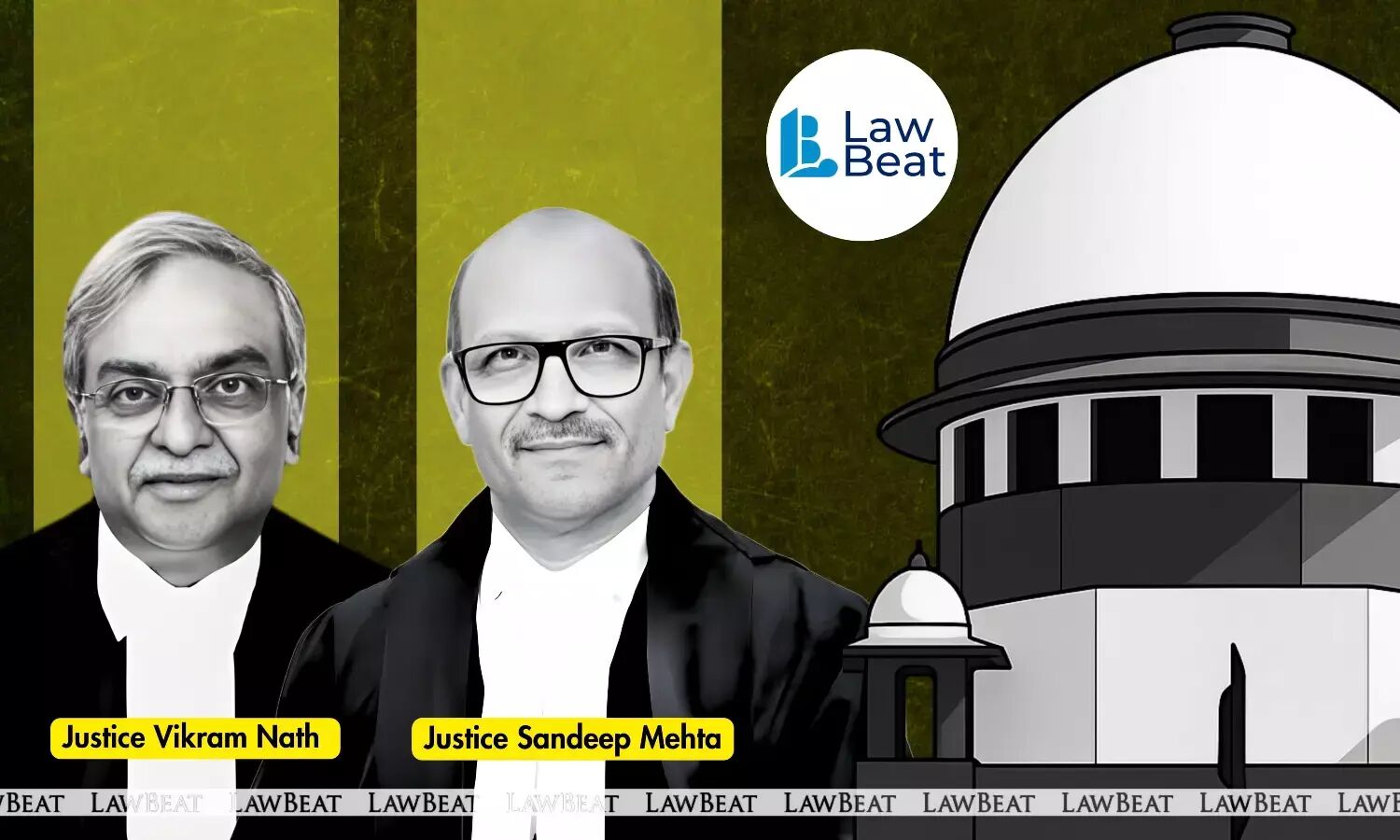
The Supreme Court has mandated the Union government to establish a committee tasked with investigating the necessity of statutory regulations for pharmaceutical marketing practices, specifically aiming to curb unethical interactions between drug companies and medical professionals. This directive, issued by a bench comprising Justice Vikram Nath and Justice Sandeep Mehta, instructs the Centre to carefully consider all existing suggestions and representations concerning the need for such statutory oversight.
The newly formed committee will be responsible for processing these inputs and subsequently providing its recommendations to the Union government. The Court's order emphasizes a focused approach to address practices that often lead to problematic prescribing patterns and other detrimental outcomes for patients. The matter is scheduled to be heard again on January 29, 2027, at which point the Union government is expected to present a compliance affidavit detailing the progress made.
Regulatory Landscape and Judicial Scrutiny
This significant directive from the Supreme Court originated from a petition that sought robust statutory regulation over pharmaceutical marketing. Earlier in the proceedings, on September 8, the Court had reserved its order after Solicitor General Tushar Mehta informed the bench that the Union government intended to constitute a three-member committee to address these concerns.
The government's submission outlined that this proposed committee would examine whether a statutory framework is indeed required and, if so, what form such a framework should take to effectively prevent unethical practices within the pharmaceutical industry. In the interim, and until the committee submits its report and a decision is made on its recommendations, the Uniform Code for Pharmaceutical Marketing Practices (UCPMP), 2024, will continue to govern the sector. However, the Supreme Court had previously expressed reservations about the UCPMP 2024, questioning its enforcement mechanisms and whether the Centre intended to provide it with statutory backing. The Court had observed that without effective government control, a supposedly mandatory regulatory regime could, in practice, become merely voluntary.
Protecting Public Health and Constitutional Rights
The petition that led to this Supreme Court directive was filed in response to what it described as "ever-increasing instances" of unethical marketing practices by pharmaceutical companies in their dealings with healthcare professionals. These practices, the petition argued, directly result in the prescription of excessive and/or irrational drugs, alongside a concerted push for high-cost and/or overpriced brands.
The petition underscored how such unethical practices directly compromise citizens' health and infringe upon their fundamental rights enshrined in Article 21 of the Constitution. Consequently, the petitioners had sought the Supreme Court's intervention to establish an effective mechanism for regulation and to frame interim guidelines until Parliament or the government could enact a suitable statutory framework to address these critical public health concerns.
Source
How does this affect you?
Get an AI analysis of this article grounded in your jurisdictions, practice areas, and any policy documents you've uploaded to Wansom.
Finish Reading the Full Story and the Expert Analysis.
Get the latest legal & regulatory intelligence in India
Wansom is AI and can make mistakes.