
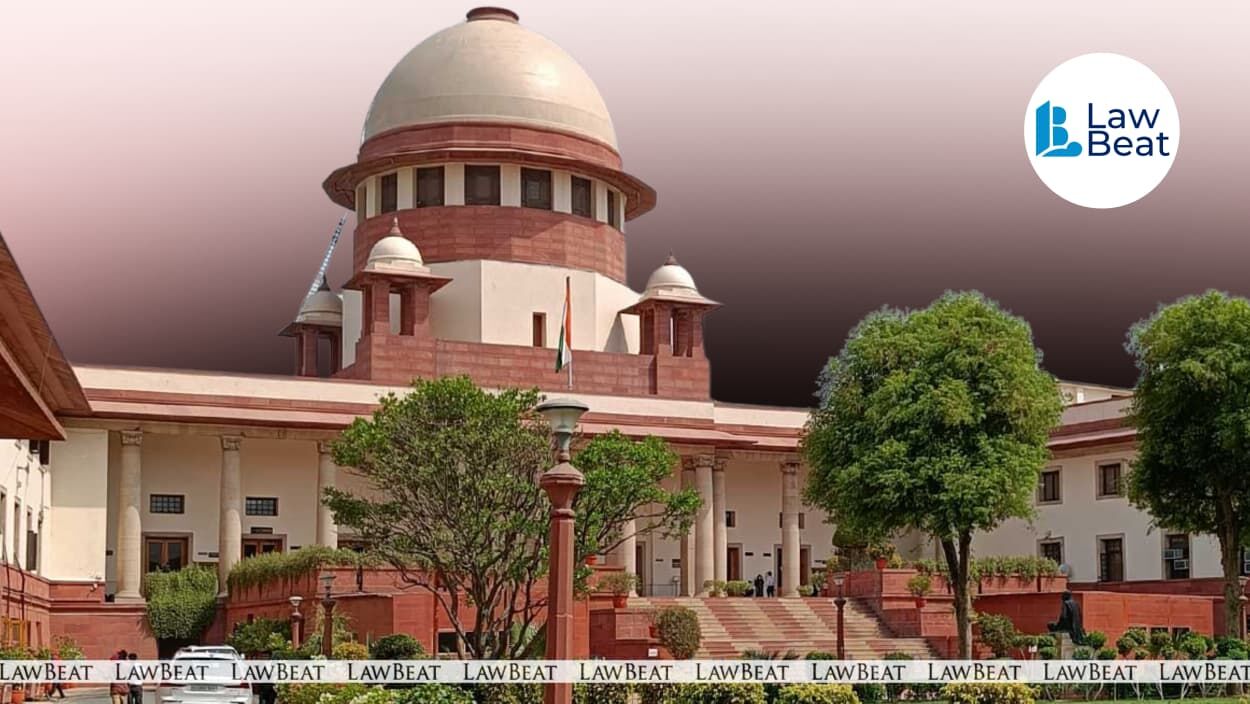
Supreme Court: Direct Recruits Seniority Over Temporary Appointees in Tamil Nadu
Summary
- The Supreme Court ruled that regular direct recruits hold seniority over temporary, ad hoc, and compassionate appointees in government service.
- Seniority between compassionate and special appointees will be determined by their respective dates of regularisation.
- Service rendered as a temporary or ad hoc employee cannot be used to claim seniority over regularly selected candidates.
- Compassionate appointments are an exception to normal recruitment and do not grant automatic seniority equal to direct recruits.
- The ruling overturned a Tamil Nadu Administrative Tribunal decision that placed certain compassionate appointees above direct recruits.
Defining Seniority in Government Service
An individual appointed to a government post through the established procedure and in compliance with all relevant regulations should naturally be considered senior to those who joined service as a stopgap measure or due to an emergency.
The India Supreme Court has issued a definitive ruling clarifying the inter se seniority among various categories of government employees, specifically prioritizing those recruited through a regular competitive process. A bench comprising Justices S V Bhatti and Shree Chandrashekhar established that individuals appointed as direct recruits following a prescribed competitive examination must invariably hold a higher seniority position compared to those who entered service on a temporary, ad hoc, or compassionate basis. This judgment resolves a long-standing government service law seniority dispute that originated in Tamil Nadu.
The Court's decision directly addressed a complex scenario involving civil appeals and transferred cases from Tamil Nadu, where direct recruits and special appointees were vying for seniority against each other, with both groups also asserting superiority over compassionate appointees. The core of the dispute centered on how to correctly establish the hierarchy of seniority when different recruitment methods are involved, particularly under the Tamil Nadu State and Subordinate Services Rules 1955. This ruling sets a clear precedent for future seniority disputes across government departments.
Rationale for Prioritizing Regular Recruitment
The Supreme Court underscored a fundamental principle of seniority rules, stating that an individual appointed to a government post through the established procedure and in compliance with all relevant regulations should naturally be considered senior to those who joined service as a stopgap measure or due to an emergency. This foundational rule dictates that the period of service rendered by temporary appointees or ad hoc staff, particularly those appointed under Rule 10(a)(i) of the Tamil Nadu State and Subordinate Services Rules, 1955, cannot be leveraged to claim seniority over candidates who successfully navigated a regular competitive examination.
Furthermore, the Court affirmed the employer's prerogative to formulate specific rules governing inter se seniority among different classes of employees and to design the methodology for fixing such seniority. It was explicitly stated that such rules are not subject to challenge merely because an alternative method could have been conceived or because the chosen method might impose hardship on a particular group of employees. This upholds the administrative authority in structuring its workforce hierarchy.
Status of Compassionate and Ad Hoc Appointments
Regarding compassionate appointment seniority India, the Supreme Court clarified that these appointments represent an exception to the standard recruitment process, permissible under Articles 14 and 16 of the Constitution. Consequently, individuals appointed on compassionate grounds cannot automatically assert the same seniority standing as regular direct recruits. The Court also determined that executive orders issued under Article 162, which might regularize compassionate appointments, cannot supersede the basic principles governing service seniority. These principles inherently favor regular recruits over those who entered service through non-competitive or stopgap arrangements.
For both compassionate appointees and special appointees, the Court established that their inter se seniority should be determined based on their respective dates of regularisation. This criterion was deemed the most appropriate for resolving seniority conflicts between these specific categories of employees, providing a clear and consistent method for their placement within the service hierarchy.
Reversing Previous Tribunal and High Court Decisions
The India Supreme Court specifically addressed and overturned aspects of previous judgments from the Madras High Court and the Tamil Nadu Administrative Tribunal that had contributed to the seniority dispute. The Madras High Court had previously ruled that the 1983 batch of direct recruits would rank above special appointees in the combined seniority list, irrespective of their actual joining dates. This part of the High Court's decision was implicitly upheld by the Supreme Court's broader pronouncement.
However, the Madras High Court had also dismissed petitions filed by the Tamil Nadu government challenging a decision by the Tamil Nadu Administrative Tribunal. The Tribunal had controversially held that the seniority of compassionate appointees, specifically S Prem Kumar and T A Kannappa, should be reckoned above the 1983 direct recruits who were appointed later, and also above special appointees who were regularized on June 25, 1984. The Supreme Court explicitly disagreed with this particular aspect of the Tribunal's ruling, thereby reinforcing the superior seniority of regularly appointed direct recruits over compassionate appointees regardless of their regularisation dates or the direct recruits' later appointment.
Practical Implications
This ruling provides a definitive precedent for determining inter se seniority among direct recruits, temporary/ad hoc, and compassionate appointees in Indian government service. Lawyers advising government departments or employees on service law matters, particularly seniority disputes, must now apply this clear hierarchy, emphasizing the primacy of regular competitive recruitment for seniority.
Source
How does this affect you?
Get an AI analysis of this article grounded in your jurisdictions, practice areas, and any policy documents you've uploaded to Wansom.
Finish Reading the Full Story and the Expert Analysis.
Get the latest legal & regulatory intelligence in India
Wansom is AI and can make mistakes.