
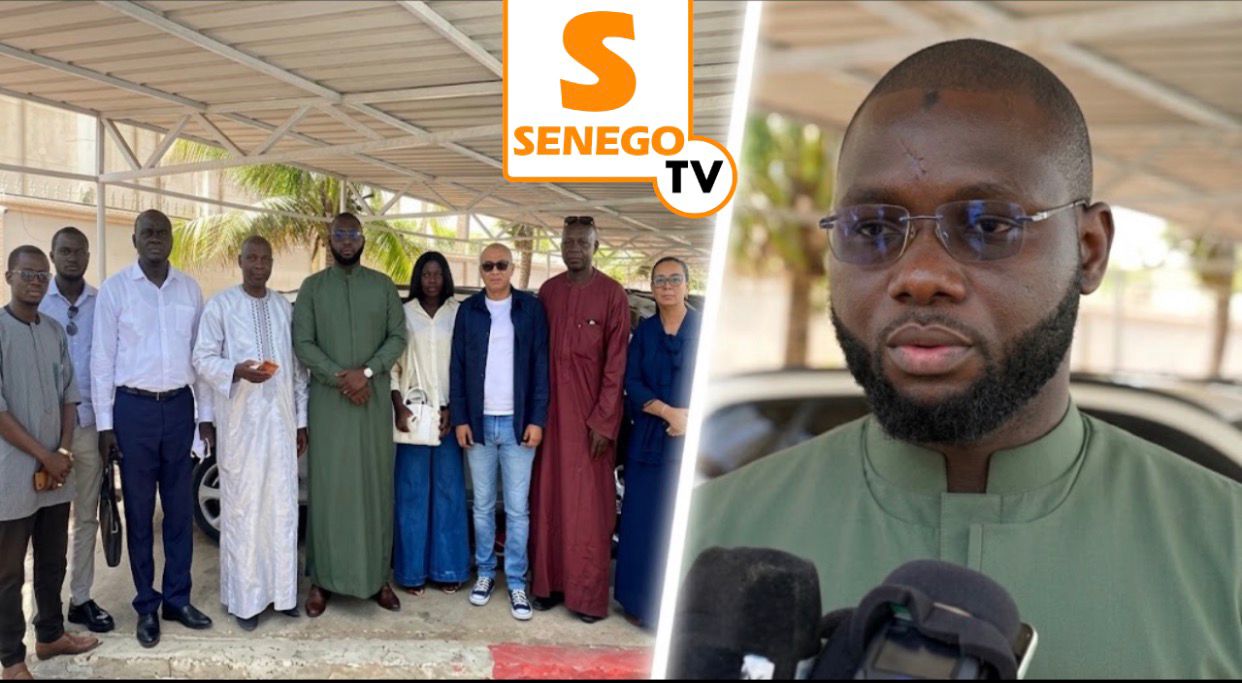
Ñoo Lank: Cour Suprême Rejects Recours Calendrier Électoral
Summary
- The collective Ñoo Lank's appeal concerning the publication of the date for municipal and departmental elections was rejected.
- The Administrative Chamber of the Supreme Court in Senegal issued this decision on Thursday, August 27.
- This ruling means the legal challenge to the electoral calendar was not retained by the high court.
- Despite the judicial rejection, the broader debate surrounding the electoral timeline for these local elections continues.
Judicial Ruling on Electoral Calendar
Despite the Supreme Court's clear rejection of Ñoo Lank's legal challenge, the broader discussion surrounding the electoral calendar for municipal and departmental elections in Senegal continues unabated.
The collective Ñoo Lank recently experienced a setback in its legal efforts to challenge the electoral calendar in Senegal. On Thursday, August 27, the Administrative Chamber of the Supreme Court formally rejected the appeal filed by the group. This appeal specifically targeted the publication of the date for the upcoming municipal and departmental elections, seeking judicial intervention regarding the timing of these crucial local polls.
The high court's decision signifies that Ñoo Lank's specific legal recourse was not deemed admissible or meritorious by the Administrative Chamber. This outcome effectively closes one avenue of legal contestation for the collective concerning the scheduling of these elections. The ruling from the Supreme Court's administrative arm represents a definitive judicial stance on the particular challenge brought forward by Ñoo Lank regarding the electoral timeline.
The Administrative Chamber's Mandate in Electoral Disputes
The Administrative Chamber of the Supreme Court holds a pivotal position within Senegal's legal framework, serving as the ultimate arbiter for disputes involving administrative actions and decisions. Its jurisdiction extends to reviewing the legality of acts by public authorities, including those that pertain to the organization and scheduling of national and local elections. This makes it the appropriate forum for challenges like the one lodged by Ñoo Lank, which questioned an administrative decision related to the electoral process.
By declining to retain Ñoo Lank's appeal, the Administrative Chamber exercised its authority in contentieux électoral Sénégal décision. This action underscores the court's role in upholding the established legal procedures for electoral matters, even when faced with public contestation. The Supreme Court, through its administrative arm, is tasked with interpreting and applying the law to ensure that electoral processes adhere to constitutional and statutory provisions, thereby providing a final judicial word on such administrative challenges.
Persistent Debate on Electoral Timelines
Despite the Supreme Court's clear rejection of Ñoo Lank's legal challenge, the broader discussion surrounding the electoral calendar for municipal and departmental elections in Senegal continues unabated. The court's ruling specifically addressed the legal merits of the appeal itself, concluding that it did not warrant further judicial review or intervention. However, this legal outcome does not necessarily resolve the underlying political and societal concerns that prompted Ñoo Lank to file its recourse.
The phrase "le débat reste entier" (the debate remains whole or unresolved) highlights that while the judicial avenue pursued by Ñoo Lank has been exhausted, the fundamental questions and disagreements regarding the timing and organization of these local elections persist within the public sphere. This suggests that stakeholders, including political parties, civil society organizations, and the electorate, may continue to engage in dialogue and advocacy concerning the calendrier électoral Sénégal contestation, even without a successful legal challenge to alter the current schedule. The decision clarifies the legal landscape but leaves the political and social discourse open.
Practical Implications
This ruling from the Administrative Chamber of the Supreme Court clarifies that challenges to the current electoral calendar for municipal and departmental elections in Senegal have been unsuccessful. Lawyers advising political parties, candidates, or civil society organizations involved in the electoral process should note this judicial stance when assessing future legal strategies or advising on electoral timelines.
Source
How does this affect you?
Get an AI analysis of this article grounded in your jurisdictions, practice areas, and any policy documents you've uploaded to Wansom.
Finish this article free. Just your email for instant unlock.
Wansom is AI and can make mistakes.