
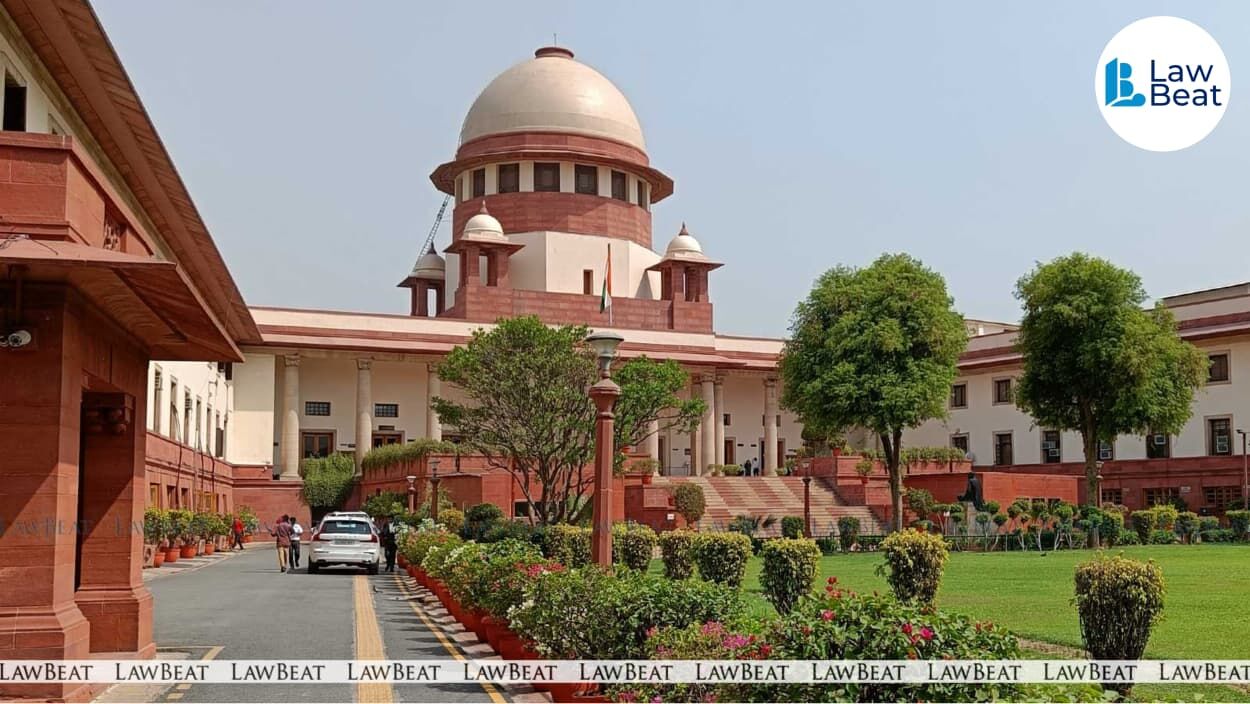
Supreme Court: Declines Hindi Official Language Plea, Citing Legislative Action
Summary
- The Supreme Court rejected a petition to make Hindi its official language for proceedings on September 25.
- The Court clarified that changing its official language requires legislative action by Parliament, as per Article 348 of the Constitution.
- Chief Justice of India Surya Kant noted the Court is gradually introducing regional languages into its functioning.
- On September 14, the Supreme Court launched a new Hindi public information service offering simplified judgment summaries and daily audio-video bulletins.
- This initiative aims to enhance access to justice for common citizens, litigants, and differently-abled individuals, with plans for expansion to other Indian languages.
Supreme Court Upholds English as Official Language
The Supreme Court's decision is rooted in the existing constitutional framework, specifically Article 348, which stipulates that all proceedings in the Supreme Court and High Courts shall be conducted in English.
India's Supreme Court recently affirmed that English will remain its official language for judicial proceedings, rejecting a petition that sought to mandate Hindi. On September 25, a bench comprising Chief Justice of India Surya Kant, Justice Joymalya Bagchi, and Justice Mohana, heard the case titled BRAHMESHWAR NATH MISHRA v UNION OF INDIA. The Court clarified that such a significant shift, impacting the fundamental functioning of the judiciary, necessitates comprehensive legislative action rather than a judicial directive. Chief Justice Kant underscored the complexity of the matter, noting that while the Court is committed to enhancing accessibility, such changes are implemented gradually and require careful consideration. He pointed to ongoing efforts to integrate Indian and regional languages into the Court's operations, emphasizing that these developments unfold over time.
The Supreme Court declines Hindi official language plea, observing that the adoption of Hindi as its official language involves profound constitutional and legislative considerations. This stance reiterates the established legal framework governing the language of judicial proceedings at the highest level. The Court's emphasis on a phased approach to linguistic integration suggests a recognition of the diverse linguistic landscape of India, while also adhering to the prescribed legal mechanisms for fundamental changes to its operational language.
Constitutional Mandate and Legislative Prerogative
The Supreme Court's decision is rooted in the existing constitutional framework, specifically Article 348, which stipulates that all proceedings in the Supreme Court and High Courts shall be conducted in English. This provision remains in effect unless Parliament enacts legislation to provide otherwise. Justice Bagchi further elaborated on this point during the hearing, stating that decisions concerning the official language of the Supreme Court are inherently matters for legislative input, cautioning against judicial overreach that could be perceived as undemocratic. While Article 348 does permit the use of Hindi or other state languages in High Court proceedings, subject to specific approvals, this flexibility does not extend to the Supreme Court without explicit parliamentary intervention.
The Court's stance highlights the clear distinction between judicial interpretation and legislative amendment regarding the official language of the highest court. Any alteration to the Supreme Court official language Hindi India would require a deliberate legislative action official language Supreme Court, reflecting a broader societal consensus and parliamentary process, rather than a directive from the judiciary itself. This adherence to constitutional procedure ensures that such a pivotal change is enacted through the appropriate democratic channels.
Expanding Public Access Through Language Initiatives
Despite declining the plea for Hindi as an official language for proceedings, the Supreme Court has actively pursued initiatives to make its information more accessible to the public in various Indian languages. Notably, on September 14, coinciding with Hindi Diwas, the Court launched a new Public Information Service specifically in Hindi. This Supreme Court Hindi public information service aims to bridge the linguistic gap for common citizens, litigants, and particularly differently-abled individuals, by offering simplified Hindi summaries of important judgments. It also includes daily audio and video bulletins, each lasting approximately 15 to 30 minutes, providing concise updates. The initiative ensures that a link to the original official decision is always available, complementing the simplified content.
The initiative's primary goal is to make the sense of access to justice more tangible and to link the respect for Indian languages with judicial public information. The use of simple language and audio-video mediums is particularly beneficial for those who may have difficulty reading or understanding lengthy legal documents. The Court intends to roll out similar services in other Indian languages in a phased manner, thereby enhancing the sense of access to justice and fostering respect for linguistic diversity within the judicial public information sphere, allowing citizens from different linguistic regions to receive concise and intuitive information in their own language.
Implications for Judicial Accessibility and Policy
The Supreme Court's recent actions demonstrate a nuanced approach to language policy within the Indian judiciary. While maintaining English as the official language for its formal proceedings, in line with constitutional provisions and the requirement for legislative action, the Court is simultaneously making significant strides in public outreach through language. The introduction of the Hindi public information service, with plans for expansion into other regional languages, reflects a commitment to ensuring that the impact and understanding of its judgments reach a broader, linguistically diverse populace.
This dual strategy acknowledges the practical and constitutional realities of judicial administration while actively working to demystify legal processes and outcomes for the general public. It underscores a balance between the formal requirements of the judicial system and the imperative of public engagement, thereby linking respect for Indian languages with enhanced judicial transparency and accessibility for all citizens.
Practical Implications
This ruling clarifies that the official language of the Supreme Court remains English, as per Article 348, unless Parliament legislates otherwise, meaning lawyers must continue to prepare official filings in English. However, practitioners should note the Supreme Court's expanding Hindi and regional language accessibility initiatives for public information, which may impact client communication and access to simplified judgment summaries.
Source
How does this affect you?
Get an AI analysis of this article grounded in your jurisdictions, practice areas, and any policy documents you've uploaded to Wansom.
Finish Reading the Full Story and the Expert Analysis.
Get the latest legal & regulatory intelligence in India
Wansom is AI and can make mistakes.