
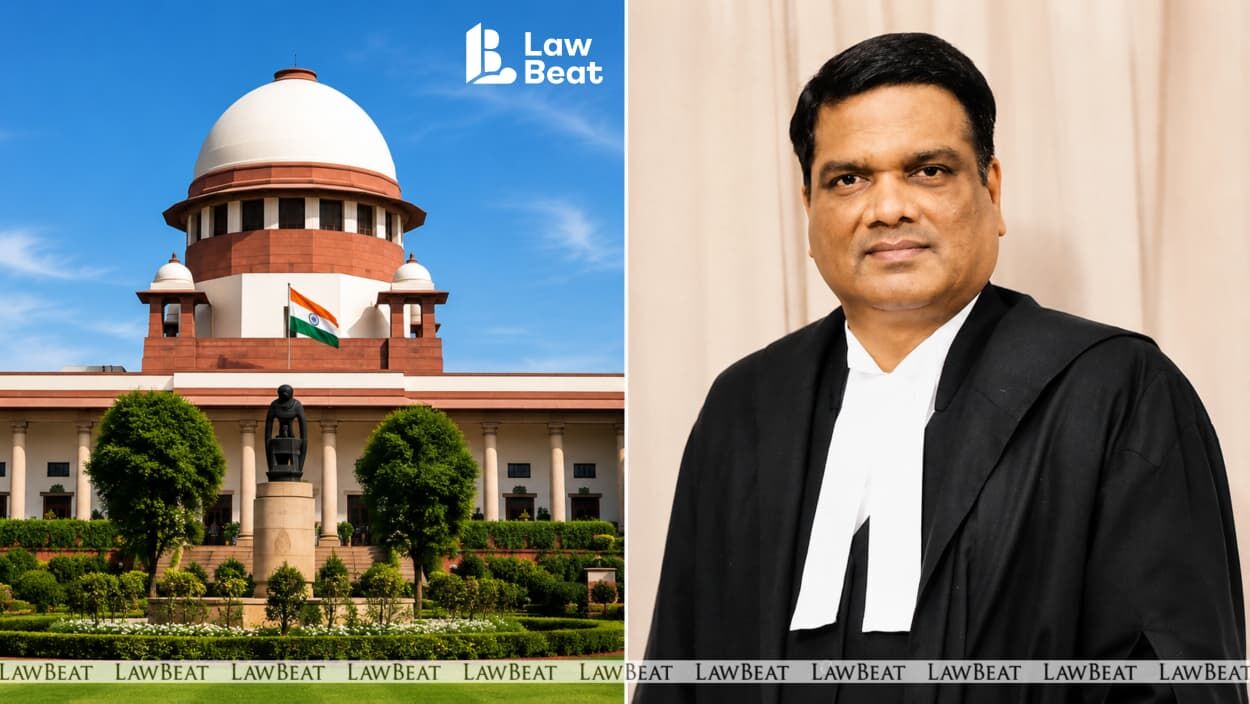
India Supreme Court Constitutes Committee to Probe NEET Protest Violence
Summary
- The Supreme Court has constituted a High-Powered Enquiry Committee (HPEC) to investigate alleged acts of violence during NEET protests.
- The committee will examine the use of excessive force by police authorities against protesters, including the deployment of pellet guns and tear gas.
- The HPEC's findings are expected to have significant implications for future protests in India, potentially leading to changes in regulations or guidelines governing police response.
Supreme Court Constitutes Committee to Probe NEET Protest Violence
The enquiry undertaken by the HPEC shall not be a one-time exercise rather, the Committee shall undertake a continuous and periodic assessment of the issues enumerated hereinabove.
The Supreme Court has taken a significant step in addressing the recent wave of protests against NEET paper leaks, constituting a High-Powered Enquiry Committee (HPEC) to investigate alleged acts of violence during these demonstrations. The committee, led by former Justice R. Subhash Reddy, will comprise five members with expertise in law and policing. Their task is to examine the use of excessive force by police authorities against protesters, including the deployment of pellet guns, electric batons, and tear gas without adequate warning or proportionality.
The HPEC's mandate extends beyond investigating individual incidents to also assess the broader context of police response during protests. They will look into issues such as ensuring a proportionate and measured police response, banning the use of metallic kinetic projectiles, and regulating the issuance of blanket prohibitory orders under Section 163 of the Bharatiya Nagarik Suraksha Sanhita, 2023.
The committee's findings are expected to have significant implications for future protests in India. Lawyers and compliance officers should closely monitor this inquiry, as it may lead to changes in regulations or guidelines governing police response to demonstrations.
Legal Context
The Supreme Court's decision to constitute the HPEC is a reflection of its commitment to upholding constitutional rights, particularly the right to peaceful assembly. The committee's terms of reference are designed to ensure that police actions during protests are proportionate and do not infringe on citizens' fundamental rights.
The HPEC will also examine the use of Section 152 of the Bharatiya Nyaya Sanhita, 2023, which has been criticized for being used as a tool to stifle political dissent. The committee's findings on this issue are expected to have far-reaching implications for freedom of speech and assembly in India.
The Supreme Court's order clarifies that the enquiry undertaken by the HPEC will be an ongoing process, with periodic assessments and interim findings submitted to the court. This approach ensures that the committee remains accountable and that the court can take timely action based on its recommendations.
Why It Matters
The NEET protest violence investigation committee's report is crucial for several reasons. Firstly, it has the potential to bring about significant reforms in police response to protests, ensuring that citizens' rights are protected while maintaining public order.
Secondly, the committee's findings on the use of Section 152 of the Bharatiya Nyaya Sanhita, 2023, will have a direct impact on freedom of speech and assembly in India. A positive outcome could lead to greater protection for citizens exercising their constitutional rights.
Lastly, the committee's report will serve as a benchmark for future protests in India, setting standards for police response and accountability. Lawyers and compliance officers should closely monitor this inquiry, as it may lead to changes in regulations or guidelines governing police response to demonstrations.
Practical Implications
Lawyers and compliance officers should watch for the potential implications of this inquiry on police response to future protests, including any changes to regulations or guidelines governing the use of force against demonstrators.
Source
How does this affect you?
Get an AI analysis of this article grounded in your jurisdictions, practice areas, and any policy documents you've uploaded to Wansom.
Wansom is AI and can make mistakes.