
JJ Act| Can a Juvenile Accused of Murder Be Tried as an Adult? Supreme Court Clarifies
What Happened
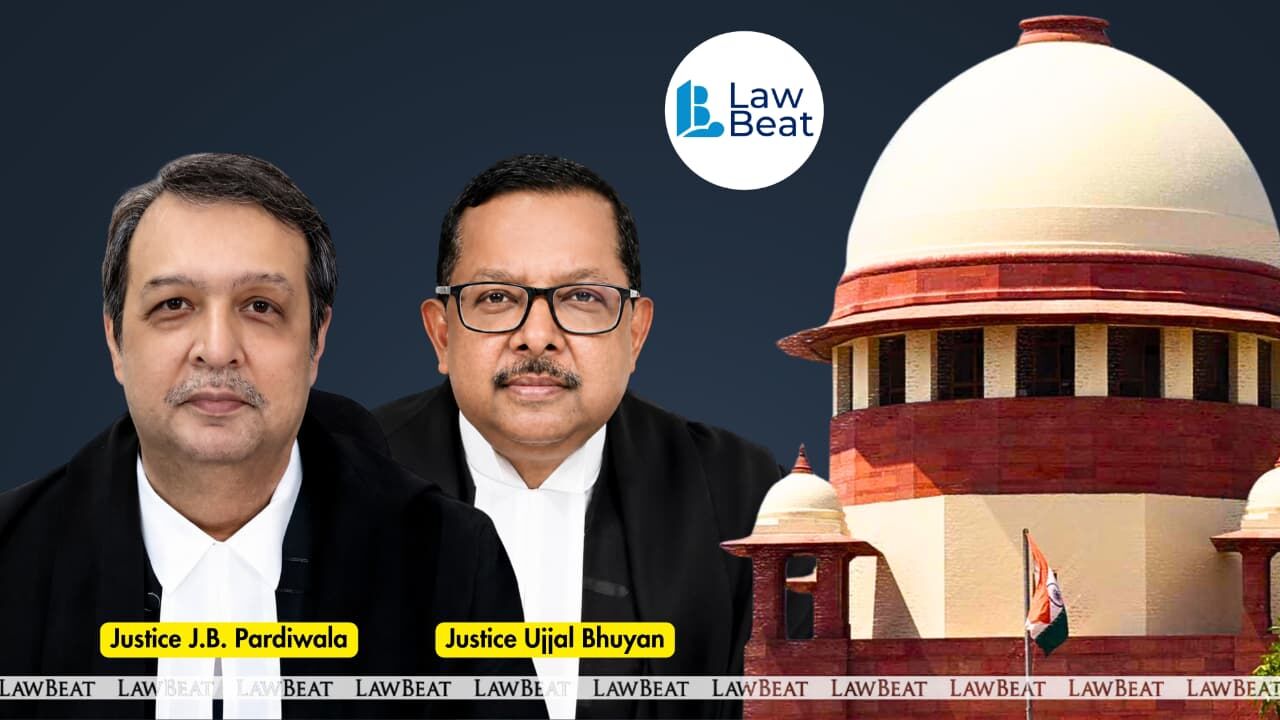
Home / Top Stories / Supreme Court Judgments JJ Act| Can a Juvenile Accused of Murder Be Tried as an Adult? Supreme Court Clarifies X Supreme Court clarifies adult trial rules for juvenile murder accused. Holding that murder under Section 302 IPC is a "heinous offence" under the Juvenile Justice Act, the Supreme Court ruled that children aged 16 to 18 accused of murder may be tried as adults after the statutory preliminary assessment. Clarifying when a juvenile accused of murder can be tried as an adult, the Supreme Court has held that murder under Section 302 of the IPC [now Section 103 of the Bharatiya Nyaya Sanhita (BNS)] is a "heinous offence" under the Juvenile Justice (JJ) Act , making children aged 16 to 18 accused of the offence eligible for adult trial after the statutory preliminary assessment. The judgment came in an appeal filed by a 16-year-old accused/the appellant in a Bihar murder case, who contended that murder falls within the category of "serious offences" under the JJ Act rather than "heinous offences" . The distinction is crucial because only children aged 16 to 18 accused of heinous offences can be considered for trial as adults after a preliminary assessment. A Bench of Justices J B Pardiwala and Ujjal Bhuyan rejected the argument and upheld the order directing the accused's trial as an adult. The appeal challenged the Patna High Court's July 24, 2025 judgment. The high court had upheld the decision of the Additional District and Sessions Judge, Chapra, directing that the appellant be tried as an adult in a case relating to the murder of another boy in May 2022. Adult trial of juvenile accused of murder The Supreme Court rejected the appellant's argument that murder falls within the definition of a "serious offence" under Section 2(54) of the JJ Act and not a "heinous offence" under Section 2(33). The Bench explained that the legislature deliberately treated children between the ages of 16 and 18 as a separate class to balance the rehabilitative rights of juveniles with the broader societal interest in deterrence. "We must acknowledge that children today are exposed at an early age to complex information, graphic content, and adult experience that were inaccessible to previous generations. There is no doubt that proliferation of technology and the pervasive influence of social media has altered the cognitive and psychological development of children. In such circumstances, courts as living institutions must be responsive to this reality," the Bench observed. Court stressed that the approach of courts and Juvenile Justice Boards dealing with children in conflict with law cannot remain stagnant since the enactment of the legislation. Instead, it must strike a balance between the evolving nature of juvenile behaviour and the legitimate demands of society. The Bench pointed out that the JJ Act classifies offences into petty, serious and heinous categories based on the punishment prescribed. It clarified that if an offence carries a minimum punishment of seven years or more, it automatically qualifies as a "heinous offence" under Section 2(33) of the Act. Describing the appellant's contention as "completely misconceived, meritless, inconceivable and deserving rejection at the threshold", the court held that an offence punishable under Section 302 IPC cannot be equated with offences that prescribe no minimum sentence and fall under the definition of "serious offence". Was expert assistance mandatory during the preliminary assessment? The appellant also argued that the appellate court committed a serious error by not taking the assistance of experienced psychologists and medical specialists, contending that this was mandatory under Section 101(2) of the JJ Act. Rejecting this contention, the Supreme Court held that Section 101(2) merely empowers the appellate court to seek expert assistance and does not make it compulsory. Whether such assistance is required depends on the facts and circumstances of each case.
Source
Source: Original reporting via LawBeat
How does this affect your business?
Get an AI analysis of this article grounded in your jurisdictions, practice areas, and any policy documents you've uploaded to Wansom.
Wansom is AI and can make mistakes.