
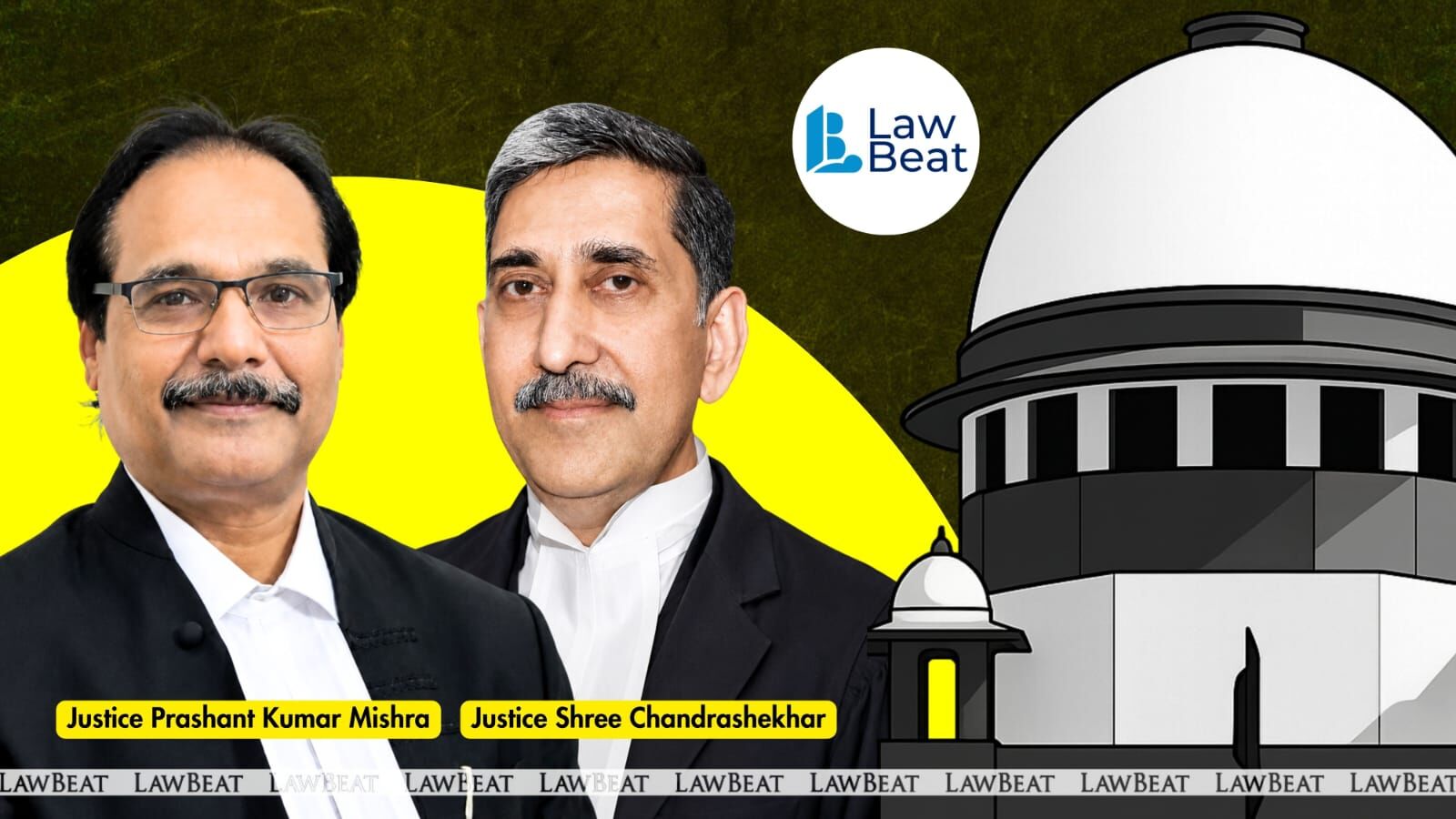
Supreme Court Clarifies Section 4(6)(b)(ii) Payment of Gratuity Act
Summary
- The Supreme Court has clarified that employers can only forfeit gratuity to the extent of proven financial loss.
- Mere allegations of misconduct without supporting evidence are insufficient to justify withholding gratuity.
- Independent evidence is required to prove the extent of loss suffered by the employer.
- This decision may impact employment contracts and compliance with the Payment of Gratuity Act.
Supreme Court Clarifies Gratuity Forfeiture
The court emphasized that independent evidence is required to justify withholding gratuity, and mere allegations without supporting documentation are insufficient.
In a significant ruling, the Supreme Court has clarified that employers can only forfeit gratuity to the extent of proven financial loss, rejecting mere allegations of misconduct. This decision is based on Section 4(6)(b)(ii) of the Payment of Gratuity Act, 1972, which limits an employer's right to forfeit gratuity for misconduct causing damage or loss to the extent of the damage proved. The court emphasized that independent evidence is required to justify withholding gratuity, and mere allegations without supporting documentation are insufficient.
Legal Context: Payment of Gratuity Act
The Payment of Gratuity Act, 1972, governs the payment of gratuity to employees upon their retirement or resignation. Section 4(6)(b)(ii) specifically addresses the forfeiture of gratuity in cases where an employee's services are terminated for misconduct causing damage or loss. The section requires that the misconduct be established as an offence involving moral turpitude, and the employer must provide independent evidence to prove the extent of the loss suffered. This provision aims to balance the interests of employers and employees while ensuring that gratuity is paid fairly.
Impact on Employment Contracts and Compliance
The Supreme Court's ruling may have significant implications for employment contracts and compliance with the Payment of Gratuity Act. Employers must now ensure that they have sufficient evidence to support any claims of financial loss before withholding gratuity from employees. This decision may also lead to a re-evaluation of existing employment contracts, as employers may need to revisit their provisions related to gratuity forfeiture. Lawyers should note that this ruling provides clarity on the limits of gratuity forfeiture and highlights the importance of independent evidence in such cases.
Practical Implications
Lawyers should note that the Supreme Court has clarified that employers can only forfeit gratuity to the extent of proven financial loss, rejecting mere allegations of misconduct. This ruling may impact employment contracts and compliance with the Payment of Gratuity Act.
Source
How does this affect you?
Get an AI analysis of this article grounded in your jurisdictions, practice areas, and any policy documents you've uploaded to Wansom.
Wansom is AI and can make mistakes.