
Supreme Court: Christa Pike Execution Cleared in Tennessee
Summary
- The Supreme Court cleared the way for the execution of Christa Pike, the only woman on Tennessee's death row, by lifting a 6th Circuit stay.
- Justice Sonia Sotomayor, joined by Justices Kagan and Jackson, dissented, arguing against prematurely ending appellate review in capital cases.
- Pike had sought to reopen her federal post-conviction case, citing the state's recent concession about her history of child abuse and mental health issues.
- Her previous attempts at state and federal post-conviction relief for the 1995 murder of Colleen Slemmer had been unsuccessful.
- The 6th Circuit had temporarily paused the execution to consider Pike's new claims, but the Supreme Court's brief order overturned this decision.
Supreme Court Clears Path for Execution
Justice Sotomayor expressed strong reservations, stating that she perceived "no reason to short-circuit the ordinary process of appellate review, particularly in light of the grave consequences of an erroneous decision."
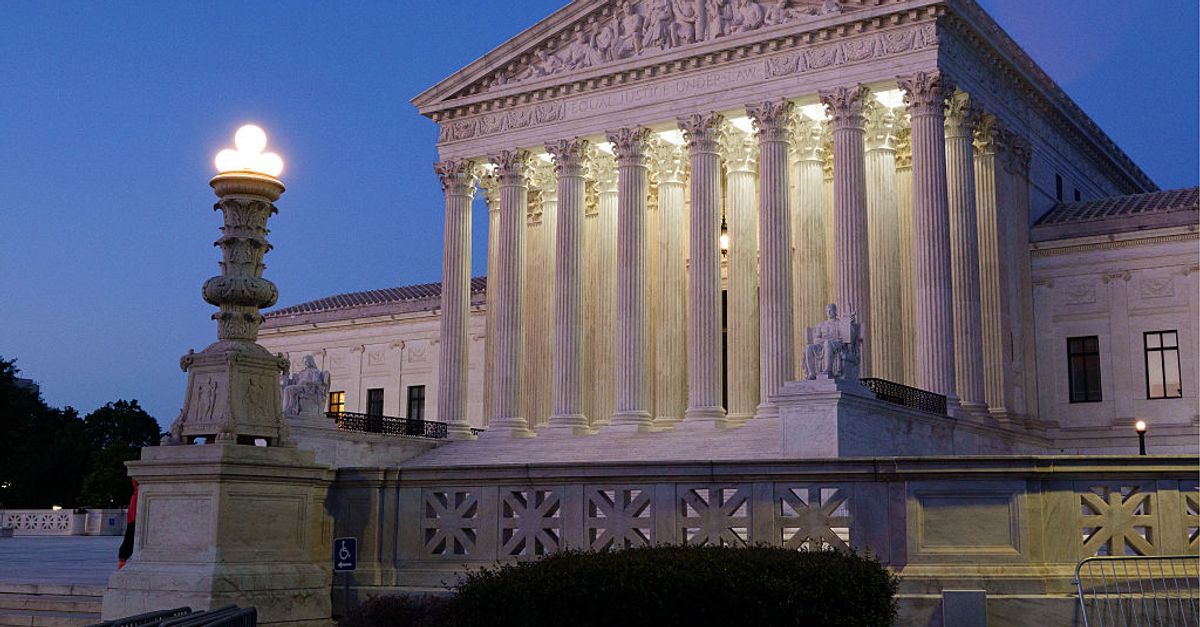
The Supreme Court recently cleared the path for the execution of Christa Pike, the sole woman on Tennessee's death row. In a concise, unsigned directive issued Wednesday night, the nation's highest court overturned a decision by the U.S. Court of Appeals for the 6th Circuit. This 6th Circuit ruling had temporarily halted Pike's execution just hours before it was slated to occur on Wednesday morning.
The Supreme Court's action was not unanimous, however. Justice Sonia Sotomayor penned a three-page dissenting opinion, joined by Justices Elena Kagan and Ketanji Brown Jackson. Justice Sotomayor expressed strong reservations, stating that she perceived "no reason to short-circuit the ordinary process of appellate review, particularly in light of the grave consequences of an erroneous decision." This division underscores the profound legal and ethical considerations inherent in capital punishment cases, particularly when last-minute appeals are involved.
Legal Background and Recent Filings
Christa Pike's journey to Tennessee's death row began with her conviction and subsequent death sentence for the brutal 1995 murder of Colleen Slemmer. Following her conviction, Pike pursued post-conviction relief in state courts, contending that her trial counsel failed to present crucial evidence during her sentencing phase. Specifically, she argued that information regarding the severe sexual abuse she endured as a child should have been introduced as mitigating factors. Despite these efforts, her attempts to secure both state and federal post-conviction relief proved unsuccessful over the years.
A new development emerged on Tuesday when Pike filed a motion in federal court, seeking to reopen her federal post-conviction case. This latest filing hinged on a significant concession recently made by the state. Pike highlighted that the state now acknowledged she "was a teenaged survivor of child sexual abuse and rape who was struggling with unmedicated bipolar disorder and PTSD at the time of her crime." She asserted that this admission directly contradicted previous arguments made by the state. It was this motion that prompted the 6th Circuit to issue a 2-1 decision on Wednesday morning, placing a temporary stay on her execution to allow for further judicial consideration of these new claims.
Judicial Scrutiny and Capital Appeals
The Supreme Court's decision to vacate the 6th Circuit's stay, despite the new evidence presented and the state's recent concession, signals a high threshold for interventions in late-stage capital cases. Justice Sotomayor's pointed dissent, joined by two other justices, emphasizes concerns about prematurely curtailing the appellate process, especially given the irreversible nature of a death sentence. Her statement about avoiding "short-circuiting the ordinary process of appellate review" highlights a fundamental tension in death penalty appeals: the need for finality versus the imperative for thorough judicial review, particularly when new information regarding a defendant's background or mental state comes to light.
This outcome suggests that even compelling new mitigating evidence, such as documented childhood trauma and mental health struggles, may face significant hurdles in securing a sustained stay of execution at the highest judicial levels. For legal practitioners involved in post-conviction relief death sentence cases and Tennessee death penalty appeals, this ruling underscores the limited willingness of the Supreme Court to intervene in such late-stage challenges. It reinforces the notion that the bar for obtaining and maintaining a 6th Circuit stay of execution, or any federal stay, remains exceptionally high, even when questions of due process and the adequacy of prior legal representation are raised. The Supreme Court's brief order, in effect, prioritized the finality of the judicial process over further review of the newly presented mitigating circumstances in Christa Pike's case.
Practical Implications
This Supreme Court decision, particularly the dissent's concerns about 'short-circuiting' appellate review, indicates a high bar for obtaining and maintaining stays of execution in capital cases. Lawyers handling post-conviction relief or capital appeals should note the Court's limited willingness to intervene in late-stage challenges, even when new mitigating evidence like childhood trauma and mental health issues are presented.
Source
How does this affect you?
Get an AI analysis of this article grounded in your jurisdictions, practice areas, and any policy documents you've uploaded to Wansom.
Finish Reading the Full Story and the Expert Analysis.
Get the latest legal & regulatory intelligence in United States
Wansom is AI and can make mistakes.