
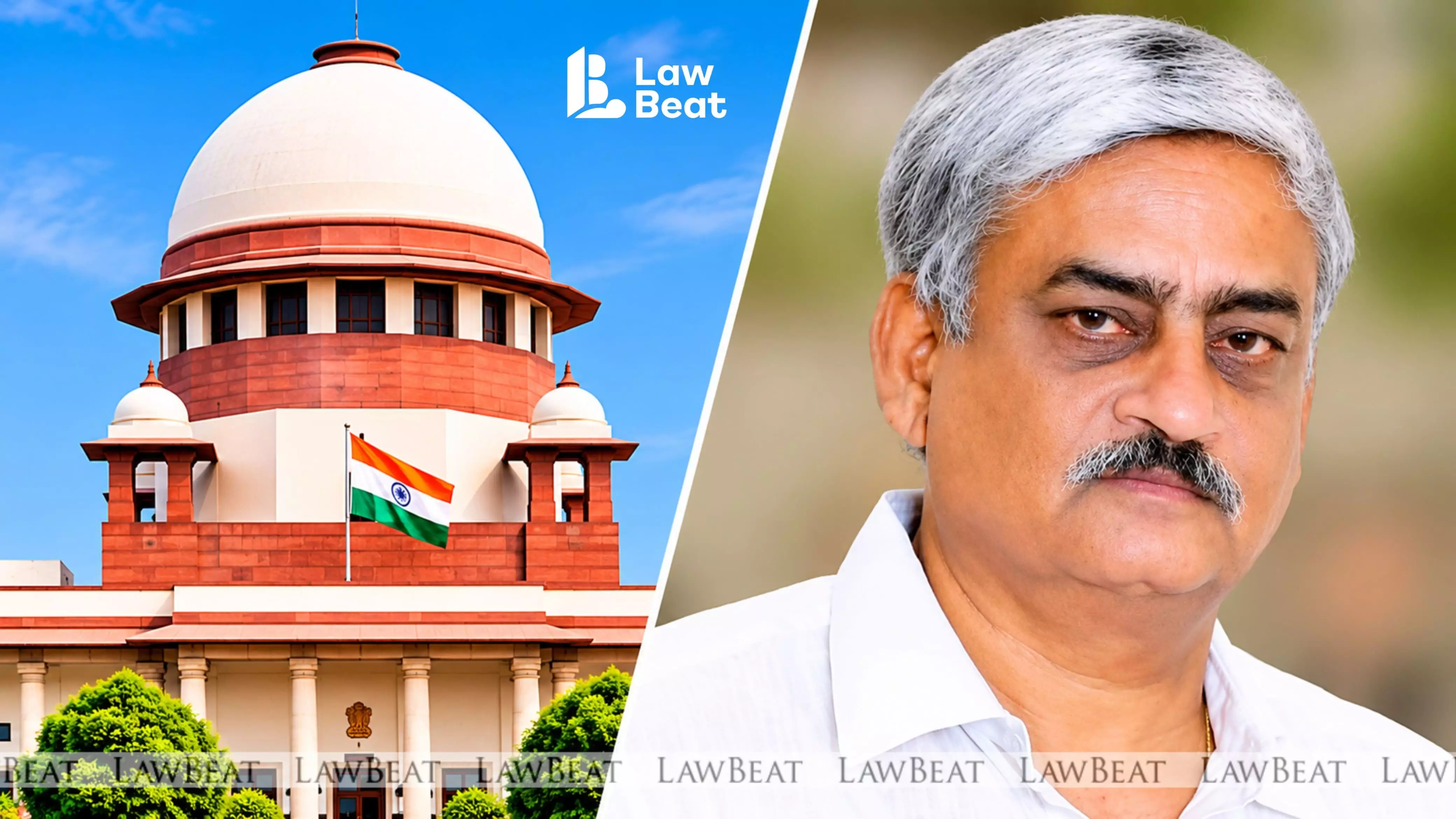
Supreme Court: Cancels Bhaskar Rao Bail in Mandangi Murder Case
Summary
- Former MP N. Bhaskar Rao surrendered to the Rayagada SDJM court on November 9, 2026, and was remanded to 14 days' judicial custody.
- His surrender followed a Supreme Court order from October 26, 2026, which cancelled his bail in the 2010 Bhagirathi Mandangi murder case.
- The Supreme Court ruled that a High Court, after denying anticipatory bail, cannot dictate terms for a trial court to grant regular bail.
- The apex court emphasized that regular bail applications must be decided independently and on their own merits by the competent court.
- Rao and three other accused had their bail pleas rejected and were lodged in Rayagada jail, though they retain the option to file fresh bail applications.
What Happened
This ruling reinforces the necessity for regular bail applications to be independently evaluated on their own merits by the competent court, thereby establishing a crucial precedent for procedural adherence in all future bail matters.
Former Rajya Sabha Member N. Bhaskar Rao presented himself before the Sub-Divisional Judicial Magistrate (SDJM) court in Rayagada, Odisha, on November 9, 2026. This surrender followed a directive from the Supreme Court, which had previously revoked his bail in connection with the 2010 Bhagirathi Mandangi murder case. Upon his appearance, the magistrate denied his request for bail, leading to his immediate remand into 14 days of judicial custody. Rao was subsequently transferred to the Rayagada sub jail.
The surrender occurred on a Monday, coinciding with the expiration of the two-week period mandated by the Supreme Court for his appearance. Rao, who had departed from the Biju Janata Dal (BJD) in 2025, was accompanied by three other individuals implicated in the case: Epili Sanyasi Raju, P. Dilip Kumar, and Krishna Rao. Their respective bail applications were also rejected, resulting in all four being placed in judicial custody at Rayagada jail. Another accused, A. Adinarayana, has yet to surrender, while a sixth, Ela Venkata Rao alias Kandababu, passed away shortly before these events. Advocate Naba Kanta confirmed the surrender and the subsequent remand, noting that Rao had been out on High Court-granted bail before the Supreme Court's intervention. Rao himself declined to comment, citing significant stress.
Legal Context
The Supreme Court's pivotal decision, delivered on October 26, 2026, effectively cancels Bhaskar Rao bail and clarified a critical aspect of India's bail jurisprudence. A bench comprising Justices Sanjay Kumar and Sanjeev Sachdeva overturned two orders from the Orissa High Court: one dated January 22, 2026, and a subsequent order from January 30, 2026, which had led to the Rayagada SDJM court granting regular bail to the accused. The apex court's ruling stemmed from a special leave petition lodged by Jagannath Mandangi, the brother of the deceased.
Central to the Supreme Court's finding was the principle that once a High Court has rejected an application for anticipatory bail, it cannot then proceed to stipulate the conditions under which a trial court should grant regular bail. The bench unequivocally stated that any application for regular bail must be assessed independently and solely on its own merits by the competent court. This judgment underscored the procedural autonomy of trial courts in evaluating regular bail requests, even after a higher court has addressed anticipatory bail. The Supreme Court's directive for Rao and the other accused to surrender within two weeks also explicitly allowed them the liberty to file fresh applications for regular bail before the appropriate court, in accordance with established legal procedures.
Why It Matters
The 2010 Bhagirathi Mandangi murder case, at the heart of this legal development, involves the abduction and killing of a tribal leader who was also a member of the Managing Committee of the Maa Majhighariani Temple Trust in Rayagada. Mandangi was abducted on December 15, 2010, and his charred body, with limbs bound, was later discovered floating in a dam in neighboring Andhra Pradesh. An FIR was lodged on December 23, 2010, at the Rayagada police station, citing charges under various sections of the Indian Penal Code, including criminal conspiracy (120-B), murder (302), causing disappearance of evidence (201), kidnapping for murder (364), and common intention (34). The gravity of the crime has previously sparked protests from the Adivasi Mahasangha in Rayagada in both 2021 and 2023, demanding a swift and impartial investigation.
This Supreme Court decision holds significant implications for India's bail jurisprudence, particularly for lawyers handling bail applications. It serves as a clear directive that a High Court, having denied anticipatory bail, cannot subsequently impose conditions on a trial court for the granting of regular bail. This ruling reinforces the necessity for regular bail applications to be independently evaluated on their own merits by the competent court, thereby establishing a crucial precedent for procedural adherence in all future bail matters. The ability of the accused to file fresh bail applications, as permitted by the Supreme Court, highlights the ongoing legal process despite the initial remand.
Practical Implications
Lawyers handling bail applications in India must be aware of the Supreme Court's clarification that a High Court, after denying anticipatory bail, cannot dictate terms for a trial court to grant regular bail. This ruling reinforces that regular bail applications must be independently assessed on their own merits by the competent court, setting a precedent for procedural adherence in bail matters.
Source
How does this affect you?
Get an AI analysis of this article grounded in your jurisdictions, practice areas, and any policy documents you've uploaded to Wansom.
Finish Reading the Full Story and the Expert Analysis.
Get the latest legal & regulatory intelligence in India
Wansom is AI and can make mistakes.