
Supreme Court: Big Bend Border Wall Construction Allowed to Resume
Summary
- The Supreme Court permitted the Trump administration to resume border wall construction in the Big Bend region of southwestern Texas.
- The Court's unsigned, four-page opinion paused a federal district judge's order that had temporarily halted the project.
- Justice Ketanji Brown Jackson was the sole dissenter, indicating she would have denied the government's request.
- The construction relies on three environmental and conservation law waivers issued by former DHS Secretaries Kristi Noem and Markwayne Mullin.
- These waivers were issued under the Illegal Immigration Reform and Immigrant Responsibility Act of 1996, which grants broad waiver authority to the DHS Secretary.
High Court Greenlights Border Construction
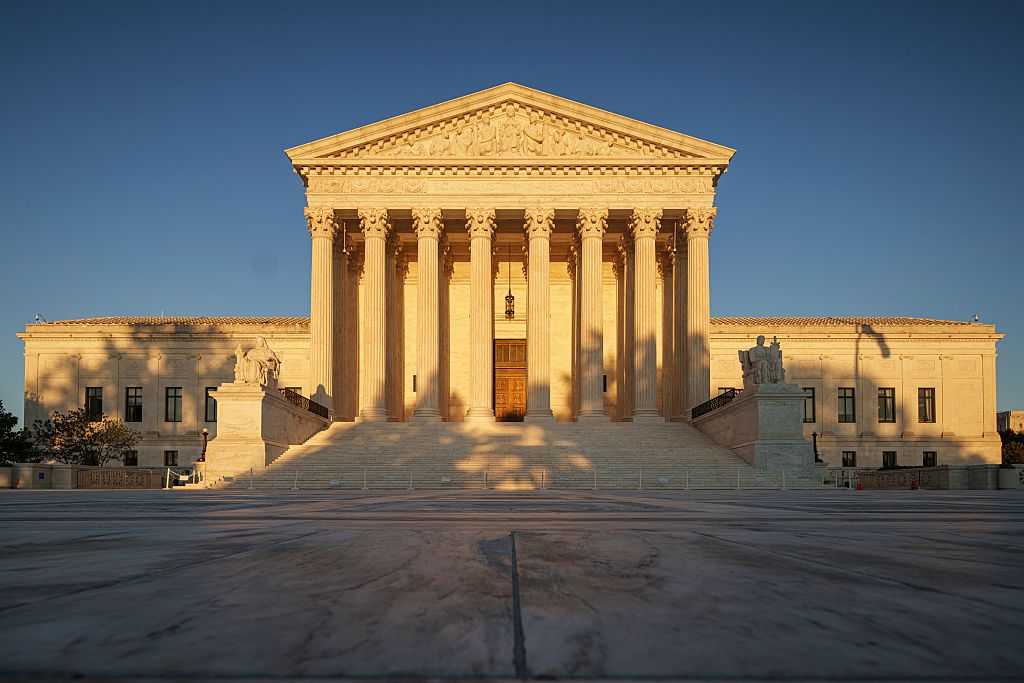
The Supreme Court recently issued an unsigned, four-page opinion that permits the Trump administration to resume its border wall construction efforts within the Big Bend region of southwestern Texas.
The Supreme Court recently issued an unsigned, four-page opinion that permits the Trump administration to resume its border wall construction efforts within the Big Bend region of southwestern Texas. This decision effectively granted the government's plea to halt a temporary injunction previously imposed by a federal district judge, which had paused the project. The ruling underscores the significant legal hurdles faced by opponents of such infrastructure initiatives.
Only Justice Ketanji Brown Jackson indicated her disagreement with the majority, stating without further explanation that she would have denied the government's request. This development allows for continued work on the Trump border wall construction Texas, specifically in an area that includes portions of Big Bend National Park, despite ongoing legal challenges.
Legal Authority Underpinning the Waivers
The controversy originated earlier this year when then-Homeland Security Secretary Kristi Noem, followed by her successor Markwayne Mullin, issued three distinct environmental waivers border construction. These waivers were specifically designed to bypass various environmental and conservation statutes, thereby authorizing the construction of the border barrier in the Big Bend area. The secretaries justified these actions by citing the region as an area experiencing a high volume of illegal entries, necessitating additional barriers.
The legal foundation for these actions rests on the Illegal Immigration Reform and Immigrant Responsibility Act of 1996. This legislation grants the Department of Homeland Security (DHS) Secretary extensive DHS waiver authority border wall, allowing them to "waive all legal requirements" deemed necessary for the "expeditious construction" of border walls and associated roads. This broad statutory power has been a recurring point of contention in disputes over border infrastructure.
Challenges to the Waivers
A coalition of plaintiffs, including an environmental advocacy group, a local landowner who also works as a river guide, and an organization dedicated to preserving a historic church, initiated legal action to contest the legality of these environmental waivers. Their lawsuit, filed in federal court, sought to challenge the authority exercised by the DHS secretaries in bypassing established environmental protections for the border wall project.
On October 2, U.S. District Judge Kathleen Cardone sided with the plaintiffs, at least temporarily, by issuing an order that barred the Department of Homeland Security from proceeding with the construction. This judicial intervention set the stage for the government's appeal to the Supreme Court, ultimately leading to the high court's decision to allow the Trump border wall construction Texas to move forward in the Big Bend region.
Practical Implications
This ruling confirms the broad discretionary power of the Department of Homeland Security Secretary under the Illegal Immigration Reform and Immigrant Responsibility Act of 1996 to waive legal requirements for border wall construction. Lawyers advising clients on environmental law, land use, or infrastructure projects in border regions should note this precedent, as it significantly limits the ability to challenge such projects on environmental or other statutory grounds when DHS invokes its waiver authority.
Source
How does this affect you?
Get an AI analysis of this article grounded in your jurisdictions, practice areas, and any policy documents you've uploaded to Wansom.
Finish Reading the Full Story and the Expert Analysis.
Get the latest legal & regulatory intelligence in United States
Wansom is AI and can make mistakes.