
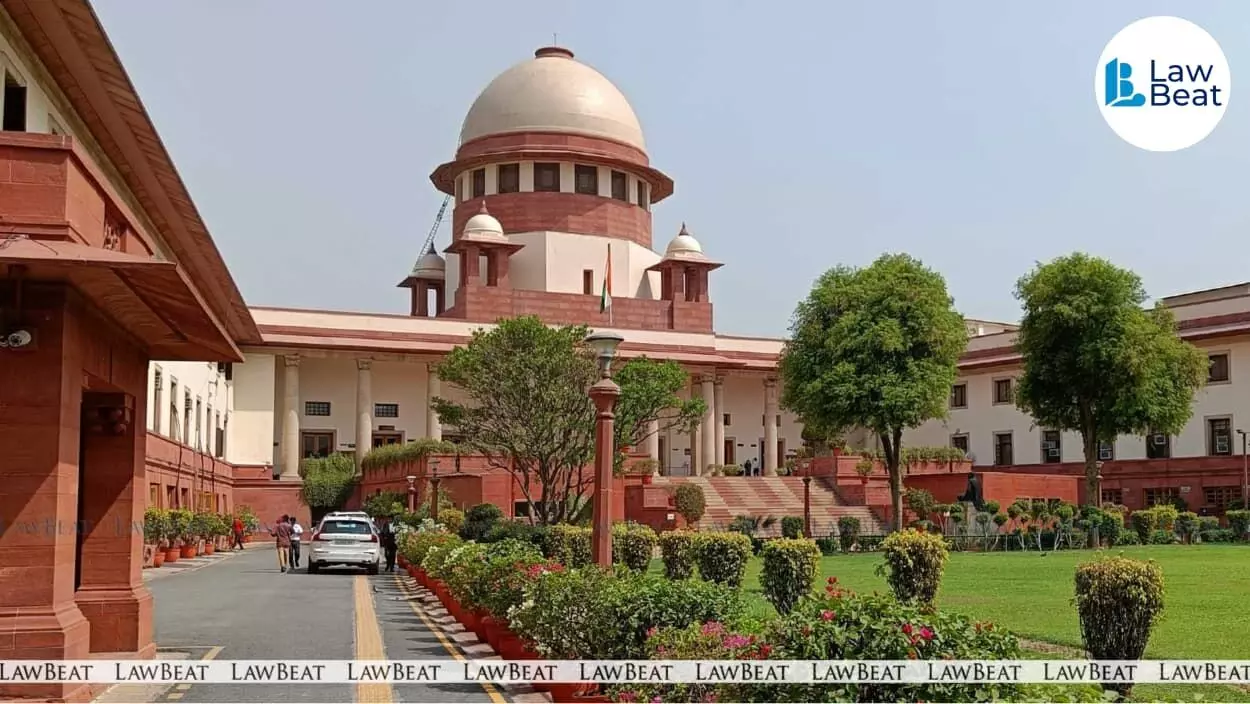
Supreme Court: Orders Centre to File Affidavit on Anti-CEC Protest Detentions
Summary
- The Supreme Court is hearing a plea challenging the detention of protesters in Delhi during October demonstrations against Chief Election Commissioner Gyanesh Kumar.
- TMC MP and Senior Advocate Menaka Guruswamy filed the plea, which addresses detentions related to protests over alleged irregularities in the Special Intensive Revision of electoral rolls.
- ASG Aishwarya Bhati informed the Supreme Court that no protesters were in detention at the time the plea was filed, and the Centre was directed to file a counter-affidavit.
- The court is also examining broader issues, including public transport restrictions, alleged assaults on protesters and journalists, and a contempt petition against government officials.
- The case, titled MENAKA GURUSWAMY Vs UNION OF INDIA, was last heard on November 25, 2026, by a bench including CJI Surya Kant.
What Happened in Court
This case is crucial for establishing important precedents regarding the legality of detentions during protests and the scope of state powers to restrict assembly.
The Supreme Court recently addressed a significant challenge concerning the detention of individuals participating in demonstrations held in Delhi. These protests, which took place on October 10 and 11, were primarily directed against the Chief Election Commissioner. A plea, specifically filed by TMC MP and Senior Advocate Menaka Guruswamy, was heard by the apex court, contesting the detentions of numerous protesters, including several prominent political figures, during these events last month.
During the proceedings, ASG Aishwarya Bhati represented the government before a bench led by Chief Justice of India Surya Kant, alongside Justice Bagchi and Justice Mohana. ASG Bhati informed the court that the government had yet to submit an affidavit regarding the detention matter, though one had been filed in a separate, related case. She also referenced another plea initiated by AA Rahim. Chief Justice Kant directly inquired about the status of the detainees, asking if anyone remained in custody. ASG Bhati responded unequivocally, stating that no one was in detention, even at the time the initial plea was lodged. Following this exchange, Chief Justice Kant instructed the Centre to file a counter-affidavit, indicating that the bench would revisit the matter in ten days.
The Underlying Grievances
The demonstrations that sparked these legal challenges were a direct response to alleged irregularities identified in the Special Intensive Revision (SIR) of electoral rolls. Protesters specifically called for the removal of Chief Election Commissioner Gyanesh Kumar, citing these perceived issues. The broader legal action before the Supreme Court encompasses a series of petitions that collectively address the unrest in Delhi concerning both Chief Election Commissioner Gyanesh Kumar and the Election Commission’s Special Intensive Revision of electoral rolls.
Beyond the detentions, these petitions also scrutinize the restrictions imposed on public transport in the lead-up to the October 10 demonstrations. This included the closure of metro stations and significant disruptions to train services, which impacted public movement. Furthermore, the court is actively considering allegations of assaults on both protesters and women journalists who were covering the events, highlighting concerns about the treatment of individuals during public assemblies.
Broader Legal Ramifications
The Supreme Court's current docket extends to several related and critical issues stemming from these protests. Among these is the specific matter of the detention of lawyers who participated in the demonstrations related to the SIR controversy on October 10, 2026. This particular aspect underscores the potential implications for legal professionals involved in public advocacy.
Moreover, a contempt petition is also under consideration by the Supreme Court. This petition alleges that the Central government failed to comply with a prior court order mandating the lifting of restrictions on metro and train services. The petition names several high-ranking officials as alleged contemnors, including Union Home Secretary Govind Mohan, Delhi Police Commissioner Satish Golcha, and Delhi Metro Rail Corporation (DMRC) Chairperson D Thara, signaling the gravity of the accusations regarding governmental adherence to judicial directives. The case, titled MENAKA GURUSWAMY Vs UNION OF INDIA, was last heard on November 25, 2026. This case is crucial for establishing important precedents regarding the legality of detentions during protests and the scope of state powers to restrict assembly.
Practical Implications
Lawyers advising clients involved in public demonstrations or facing potential detention should closely monitor the outcome of this Supreme Court case, as it will establish important precedents regarding the legality of detentions during protests and the scope of state powers to restrict assembly. This could directly impact legal strategies for defending protesters and advising on compliance with protest regulations.
Source
How does this affect you?
Get an AI analysis of this article grounded in your jurisdictions, practice areas, and any policy documents you've uploaded to Wansom.
Finish Reading the Full Story and the Expert Analysis.
Get the latest legal & regulatory intelligence in India
Wansom is AI and can make mistakes.