
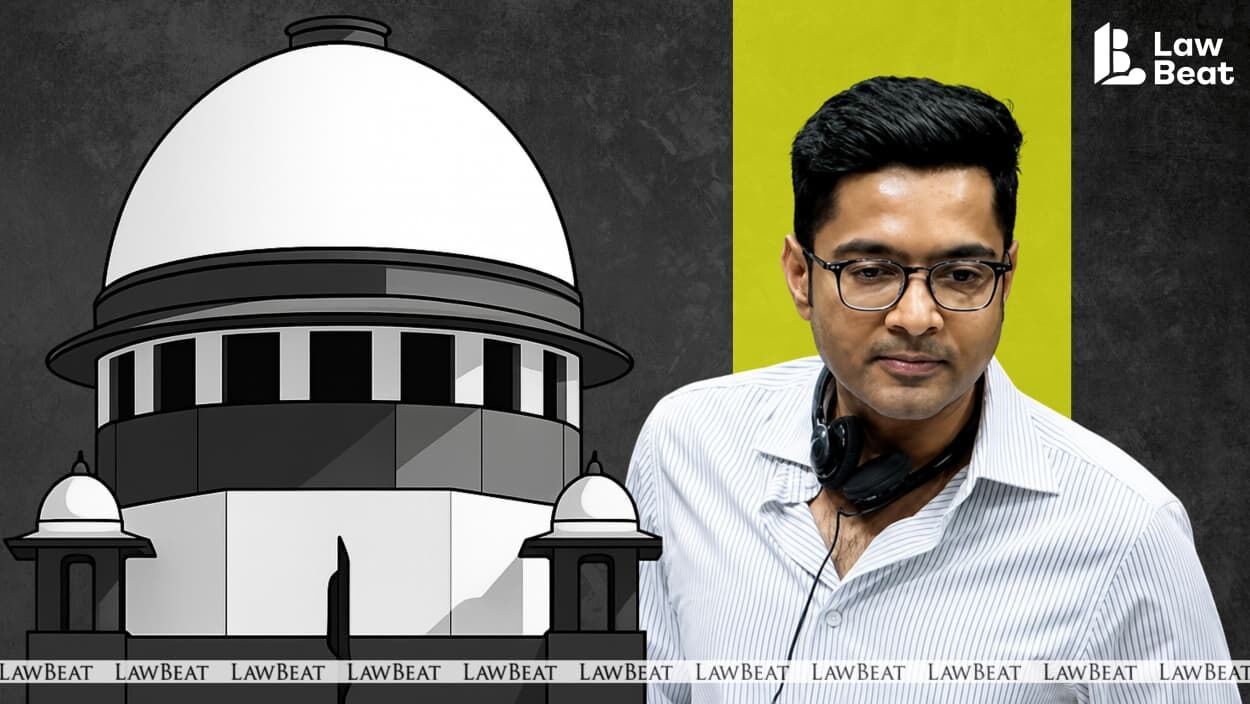
Supreme Court: Abhishek Banerjee Allowed to Travel Abroad on Diplomatic Passport
Summary
- The Supreme Court has allowed Trinamool Congress MP Abhishek Banerjee to travel abroad for eye treatment.
- The decision overturns the Calcutta High Court's earlier refusal to grant him permission to travel abroad.
- Banerjee will be required to furnish an itinerary and details about his treatment plans as a condition of his foreign travel.
- This decision may set a precedent for other politicians seeking to travel abroad on diplomatic passports.
- The ruling highlights the importance of respecting individual rights and freedoms, even in the face of ongoing investigations.
What Happened
Every individual has a right to travel abroad. Every individual has a right to choose his medical treatment. That is not for you to decide.
The Supreme Court has allowed Trinamool Congress MP Abhishek Banerjee to travel abroad for eye treatment, overturning the Calcutta High Court's earlier decision. The High Court had denied his plea, citing ongoing investigations and suggesting that treatment could be sought in Kolkata instead. However, the Supreme Court accepted Banerjee's argument that he needed to travel abroad for specialized care, despite S.V. Raju's opposition. In its order, the Supreme Court emphasized the importance of individual rights, including the right to choose medical treatment and travel abroad. The court also imposed conditions on Banerjee's foreign travel, requiring him to furnish an itinerary and details about his treatment plans. This decision may set a precedent for other politicians seeking to travel abroad on diplomatic passports.
Legal Context
The Supreme Court's decision is significant in the context of ongoing investigations against Banerjee, who has been accused of making inflammatory comments at a public meeting. The Calcutta High Court had earlier refused to grant him permission to travel abroad, citing the need for him to be present in India while the investigation was underway. However, the Supreme Court's order suggests that individual rights and freedoms must be respected, even in the face of ongoing investigations. This decision may have implications for compliance with investigation and prosecution procedures, particularly in cases where politicians are involved.
Why It Matters
The Supreme Court's decision to allow Banerjee to travel abroad on a diplomatic passport has far-reaching implications for the country's legal landscape. It sets a precedent for other politicians seeking to travel abroad, potentially impacting compliance with investigation and prosecution procedures. The decision also highlights the importance of respecting individual rights and freedoms, even in the face of ongoing investigations. This ruling may have significant consequences for the way that politicians are treated during investigations, and could lead to changes in how such cases are handled in the future.
Practical Implications
Lawyers should note that the Supreme Court's decision may set a precedent for other politicians seeking to travel abroad on diplomatic passports, potentially impacting compliance with investigation and prosecution procedures.
Source
Source: Original reporting via [Source]
How does this affect you?
Get an AI analysis of this article grounded in your jurisdictions, practice areas, and any policy documents you've uploaded to Wansom.
Wansom is AI and can make mistakes.