
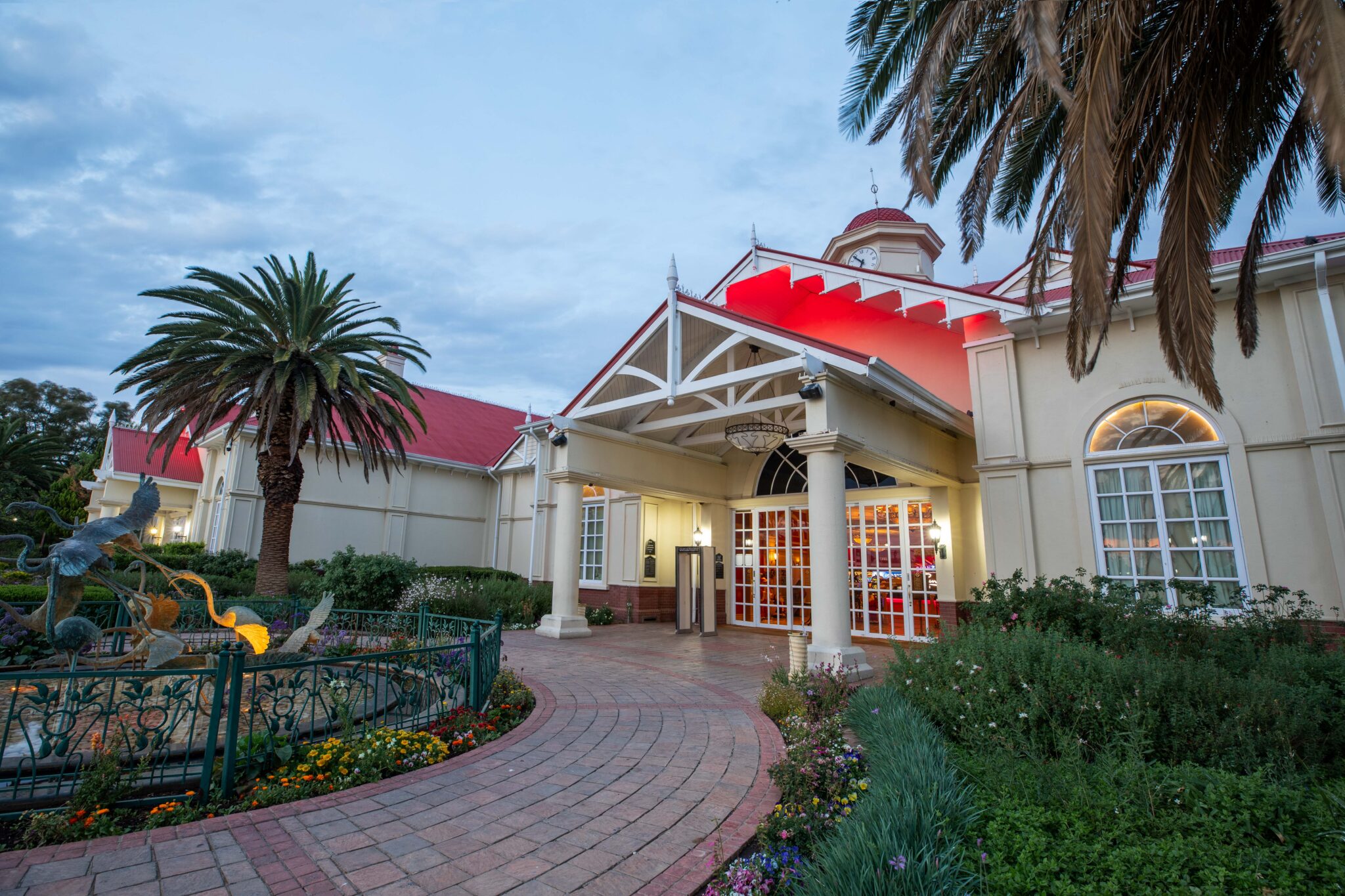
Sun International Closes Flamingo Casino Kimberley: First SA Land-Based Casino Shutdown
Summary
- Sun International has permanently closed its Flamingo Casino in Kimberley, effective November 1st, after over 24 years of operation.
- This marks the first permanent closure of a licensed land-based casino in South Africa.
- The decision followed a Section 189 process and was driven by the casino's consistent financial losses, including an R9 million operating loss in the first half of the current year.
- While other smaller properties received a 'Casino Lite' restructuring, Flamingo was deemed unprofitable even under such a model.
- The closure impacts approximately 100 direct employees and potentially over 1,000 individuals indirectly, adding to Kimberley's existing economic struggles and high unemployment.
Casino Operations Cease in Kimberley
Sun International has permanently closed its Flamingo Casino in Kimberley, marking the first time a licensed land-based casino operation in South Africa has ceased trading.
Sun International has permanently closed its Flamingo Casino in Kimberley, marking the first time a licensed land-based casino operation in South Africa has ceased trading. The casino, which had been a fixture on the outskirts of the Northern Cape capital for over 24 years, concluded its final day of trading on October 31st, with operations officially stopping at 3 AM on November 1st. This decision followed a formal process initiated by the gambling operator, which included a Section 189 consultation regarding potential retrenchments.
The closure of the Flamingo Casino was communicated to its patrons, with Sun International emphasizing its commitment to supporting affected stakeholders and providing clear guidance to customers. The move comes after the group embarked on a Section 189 process in July, which also impacted three other smaller properties: Golden Valley in Worcester, Meropa in Polokwane, and Windmill in Bloemfontein. Among these, Flamingo and Windmill had both reported financial losses during the most recent financial year.
Financial Performance and Strategic Restructuring
The decision to shut down Flamingo Casino was part of a broader financial discipline strategy by Sun International, aimed at addressing underperforming assets and enhancing operational efficiency across its portfolio. While the company announced a new “low-cost operating model,” dubbed ‘Casino Lite,’ for Golden Valley, Meropa, and Windmill to improve their productivity and returns, Flamingo was ultimately deemed unviable even under such a restructured approach. This model sought a more centralized and efficient operating structure for selected smaller properties to boost their profitability.
Flamingo Casino had consistently struggled financially for several years, often operating at a loss or barely breaking even, reflecting a challenging environment for the South African gambling industry. In the first six months of the current year, the casino recorded an adjusted operating loss of R9 million against an income of R38 million. Its income had seen year-on-year declines, dropping 10% in 2024, accelerating to 13% in 2025, and widening to a 21% slump in the first half of 2026. The facility itself comprised 250 slot machines and seven gaming tables within a 5,200 square meter complex, situated on a 10-hectare property adjacent to the Kimberley Golf Club, with accommodation needs met by an adjoining Road Lodge rather than on-site hotel rooms. Sun International held a 71.4% ownership stake in the casino, with the Teemane Consortium owning the remainder, and the original development cost was approximately R110 million.
Local Economic Impact and Workforce Implications
The closure of Flamingo Casino carries significant socio-economic implications for Kimberley, a city already grappling with severe economic challenges. In 2019, prior to the COVID-19 pandemic, the casino employed 173 individuals. Following various restructuring efforts, the number of employees is now estimated to be closer to 100. These job losses extend beyond direct employment, as the casino’s operations supported a network of service providers and suppliers, suggesting that the livelihoods of well over 1,000 people could be indirectly affected by the shutdown.
Kimberley’s economy has recently been hit hard by a downturn in rough diamond prices, further exacerbating an already fragile situation. Major mining operations in the area, Ekapa Minerals and Ekapa Resources, were placed into business rescue following a court ruling on July 27, 2026, which halted their provisional liquidation. The unemployment rate in the Sol Plaatje Local Municipality, where Kimberley is located, stands at over 30%, with the broader Francis Baard district experiencing an even higher rate exceeding 34%. The Northern Cape Gambling and Liquor Board, which oversees gambling licenses in the region, was established on April 1, 2024, as a consolidated entity, highlighting the evolving regulatory landscape for the South African gambling industry.
Practical Implications
Lawyers advising clients in the South African gambling sector or those undergoing significant restructuring should note the precedent of Sun International's Flamingo Casino closure, particularly the navigation of the Section 189 process for retrenchments and the implications for licensed operations. This case highlights the legal complexities involved in winding down a long-standing licensed entity and managing workforce reductions under South African labor law.
Source
Source: Original reporting via Moneyweb
How does this affect you?
Get an AI analysis of this article grounded in your jurisdictions, practice areas, and any policy documents you've uploaded to Wansom.
Wansom is AI and can make mistakes.