
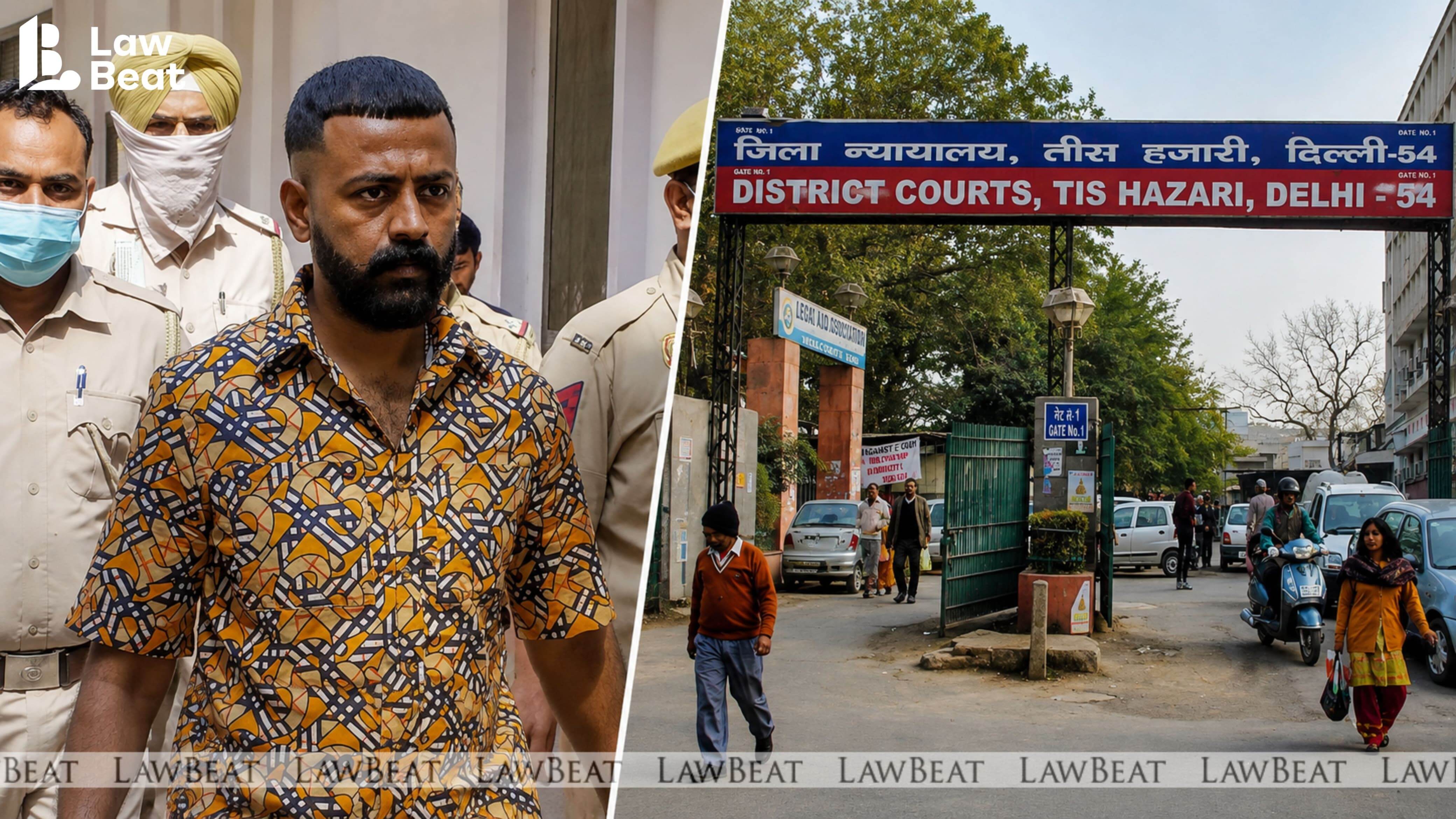
Delhi Court: Sukesh Chandrasekhar Gets 8-Year Impersonation Sentence
Summary
- Sukesh Chandrasekhar received an 8-year rigorous imprisonment sentence from a Delhi Court.
- The sentence was for impersonating a Supreme Court judge with the aim of seeking bail.
- The Delhi Court ordered the 8-year term to run consecutively with other sentences.
- The court cited Chandrasekhar's lack of genuine remorse and his trial conduct, including allegations against the complainant judicial officer, as reasons for consecutive sentencing.
What Happened
This case provides a clear example of the judiciary's commitment to protecting its integrity and ensuring that the administration of justice remains untainted.
A Delhi Court has recently handed down an 8-year rigorous imprisonment sentence to Sukesh Chandrasekhar, a prominent figure in various fraud cases. The conviction stems from a serious impersonation scheme where Chandrasekhar falsely represented himself as a Supreme Court judge. This elaborate deception was orchestrated with the specific intent of seeking bail, highlighting a calculated attempt to manipulate the judicial process for personal gain.
The court's judgment specifies that the 8-year term of rigorous imprisonment for this particular offense will run consecutively with any other sentences Chandrasekhar is currently serving or may receive. This decision underscores the gravity with which the judiciary views attempts to undermine its authority and integrity through fraudulent means. The case, now widely known as the Sukesh Chandrasekhar 8-year sentence impersonation, adds another significant conviction to his legal record.
This ruling from the Delhi Court judge impersonation case serves as a stark reminder of the severe penalties for individuals who engage in such high-level deceit. The nature of the crime, involving the impersonation of a Supreme Court judge, directly attacks the sanctity of the highest judicial office, making the 8-year rigorous imprisonment Sukesh Chandrasekhar received a significant outcome in the ongoing legal battles surrounding him.
Judicial Rationale for Sentencing
The Delhi Court's decision to impose consecutive sentences on Sukesh Chandrasekhar was not made lightly, but rather after careful consideration of his conduct throughout the legal proceedings. A primary factor cited by the court was the explicit finding that Chandrasekhar displayed no genuine remorse for his actions. This lack of contrition played a pivotal role in the court's determination that the sentences should not run concurrently, thereby extending the total period of incarceration.
Furthermore, the court took into account Chandrasekhar's behavior during the trial itself. His conduct included making serious allegations against the complainant judicial officer, an act that likely exacerbated the court's perception of his lack of respect for the legal system and its representatives. Such actions during a trial can significantly influence a judge's sentencing discretion, particularly in cases involving the impersonation of judicial figures.
The ruling on Sukesh Chandrasekhar consecutive sentences sends a clear message about the judiciary's intolerance for attempts to obstruct justice or discredit its officers. The court's emphasis on both the absence of remorse and the defendant's trial conduct highlights critical elements that can lead to more stringent penalties, especially in complex bail fraud sentencing India cases where the integrity of the judicial process is directly challenged.
Broader Implications and Legal Context
This significant ruling in the Supreme Court judge impersonation fraud case carries substantial implications for the legal landscape in India, particularly concerning offenses that target the judicial system. The imposition of an 8-year rigorous imprisonment term, coupled with the directive for consecutive sentencing, establishes a strong precedent. It signals that courts are prepared to take a firm stance against individuals who attempt to subvert justice through impersonation and fraud, especially when high-ranking judicial officers are involved.
The court's explicit mention of Chandrasekhar's lack of genuine remorse and his conduct during the trial, including allegations against the complainant, serves as a critical lesson for legal practitioners. Lawyers advising clients in fraud or impersonation cases, particularly those involving judicial officers, should note the court's emphasis on these factors. They can significantly influence sentencing outcomes, potentially leading to more severe penalties like consecutive sentences rather than concurrent ones.
This case provides a clear example of the judiciary's commitment to protecting its integrity and ensuring that the administration of justice remains untainted. The outcome of the Sukesh Chandrasekhar 8-year sentence impersonation trial will undoubtedly impact sentencing strategies and plea negotiations in similar future cases, reinforcing the principle that attempts to defraud or impersonate judicial authorities will be met with rigorous and uncompromising legal consequences.
Practical Implications
Lawyers advising clients in fraud or impersonation cases, particularly those involving judicial officers, should note the court's emphasis on lack of remorse and trial conduct as factors influencing consecutive sentencing. This case provides a precedent for the judiciary's stern stance on such offenses, impacting sentencing strategies and plea negotiations.
Source
How does this affect you?
Get an AI analysis of this article grounded in your jurisdictions, practice areas, and any policy documents you've uploaded to Wansom.
Finish Reading the Full Story and the Expert Analysis.
Wansom is AI and can make mistakes.