
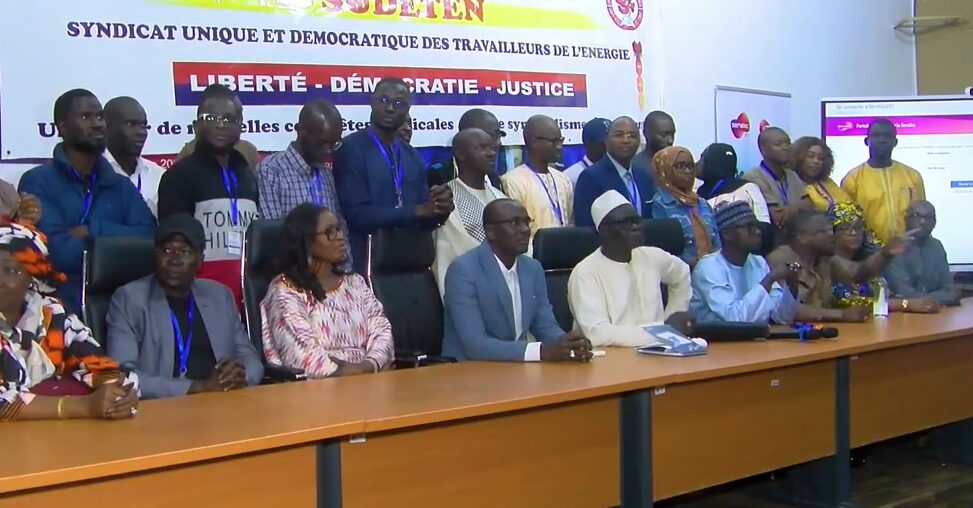
Sudeten: Rejects Senelec Akilee Leonine Contract, Demands Inquiry
Summary
- The Syndicat unique et démocratique des travailleurs de l’énergie (Sudeten) rejects a settlement protocol and a ten-year contract between Senelec and Akilee.
- Sudeten issued a statement on October 26 in Dakar, opposing the agreement approved by Senelec's board on October 23, 2026.
- The union describes the contract as "leonine" and used the phrase "Non au bradage de Senelec!" to express its strong disapproval.
- Sudeten has demanded a parliamentary inquiry into the Senelec Akilee contract dispute.
Union Rejects Senelec-Akilee Agreement
For lawyers advising companies in Senegal's energy sector, particularly those involved in public-private partnerships or large-scale contracts, this development signals a heightened level of scrutiny and the potential for significant regulatory and political challenges to such agreements in the future.
The Syndicat unique et démocratique des travailleurs de l’énergie (Sudeten) has publicly rejected a proposed settlement protocol between the national electricity company Senelec and Akilee, alongside a new ten-year contract. This rejection was formally announced in a statement issued by the union on October 26 in Dakar, signaling strong opposition to the terms of the agreement.
The contentious settlement protocol, which forms the basis of the dispute, had previously received approval from Senelec's board of directors on October 23, 2026. Sudeten's declaration explicitly states its firm stance, asserting that it stands as a bulwark against what it perceives as detrimental terms for Senelec and the broader energy sector in Sénégal.
Accusations of a 'Leonine Contract'
At the heart of the Sudeten Senelec Akilee contract controversy is the union's characterization of the agreement as a "leonine contract." This term implies that the contract is excessively one-sided, heavily favoring Akilee at the expense of Senelec. The union's statement, which included the emphatic phrase "Non au bradage de Senelec!" (No to the squandering of Senelec!), underscores its deep concern that the deal represents a significant disadvantage for the state-owned utility.
Such a strong denunciation from a key labor organization like the Syndicat unique et démocratique des travailleurs de l’énergie highlights the potential for significant industrial and political fallout. The union's public stance suggests a belief that the terms of the agreement are not only unfair but could also undermine the financial stability and operational integrity of Senelec, a critical national asset.
Call for Parliamentary Inquiry
In response to its profound objections to the Senelec Akilee leonine contract dispute, Sudeten has formally demanded a parliamentary inquiry. This call for an official investigation by legislative bodies aims to scrutinize the details of the protocole transactionnel Senelec Akilee and the proposed ten-year contract, seeking transparency and accountability regarding the terms agreed upon by Senelec's board.
The demand for a parliamentary inquiry reflects the union's conviction that the matter extends beyond mere contractual disagreement, touching upon issues of public interest and potentially improper governance. For lawyers advising companies in Senegal's energy sector, particularly those involved in public-private partnerships or large-scale contracts, this development signals a heightened level of scrutiny and the potential for significant regulatory and political challenges to such agreements in the future.
Implications for Senegal's Energy Sector
The ongoing Senelec Akilee leonine contract dispute carries significant implications for the broader energy landscape in Sénégal. The vigorous opposition from the Syndicat unique et démocratique des travailleurs de l’énergie to the Senelec Akilee contract, coupled with their demand for a parliamentary inquiry, sets a precedent for how future large-scale agreements, especially those involving state entities, might be challenged.
This situation underscores the critical importance of ensuring perceived fairness and transparency in contractual arrangements within Senegal's energy sector. Companies, particularly those engaging in public-private partnerships, should closely monitor the developments of this parliamentary inquiry and any subsequent legal challenges, as the outcome could establish new benchmarks for regulatory oversight and public acceptance of major energy infrastructure deals.
Practical Implications
Lawyers advising companies in Senegal's energy sector, particularly those involved in public-private partnerships or large-scale contracts, should monitor the parliamentary inquiry and potential legal challenges to the Senelec-Akilee agreement for precedents on contract fairness and regulatory oversight. This dispute highlights risks associated with perceived 'leonine' contracts and union opposition.
Source
How does this affect you?
Get an AI analysis of this article grounded in your jurisdictions, practice areas, and any policy documents you've uploaded to Wansom.
Finish Reading the Full Story and the Expert Analysis.
Wansom is AI and can make mistakes.