
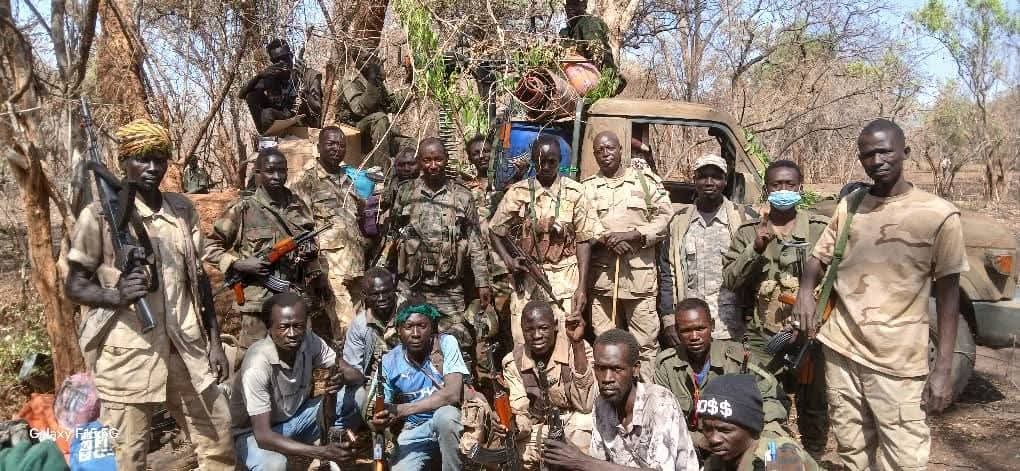
Karmack Mass Graves: Sudan War Crimes Probe Launched
Summary
- Mass graves containing civilians, including children and women, were discovered in Karmack by authorities after retaking control from Rapid Support Forces.
- 25 civilians were executed by RSF forces, according to the governor of Karmack.
- Rapid Support Forces have been accused of numerous human rights abuses during their control of Karmack and other locations in the Blue Nile state.
- The discovery raises concerns about potential international criminal law implications, including war crime charges against RSF personnel involved in the killings.
Mass Graves Discovered in Karmack
According to the governor of Karmack, Abdulati Mohamed Faki, 25 civilians, including women, children, elderly people, and hospital workers, were executed by RSF forces.
The local government in Karmack, a town in the Blue Nile state of Sudan, announced on August 9, 2026, that mass graves containing civilians, including children and women, had been discovered. The graves were found by authorities in Khartoum and El Gezira after they were retaken from Rapid Support Forces (RSF) control. According to the governor of Karmack, Abdulati Mohamed Faki, 25 civilians, including women, children, elderly people, and hospital workers, were executed by RSF forces. The mass graves were discovered during a military sweep in the northeastern direction of Karmack, over a month after the town was retaken from RSF control on July 8, 2026.
Legal Context
Rapid Support Forces have been accused of numerous human rights abuses during their control of Karmack and other locations in the Blue Nile state. These abuses include killings, looting, and forced displacement. The RSF's actions are part of a larger conflict between the Sudanese military and the Sudan People's Liberation Movement-North (SPLM-N) led by Abdelaziz al-Hilu. Karmack has been a major battleground throughout the civil war between the two forces. The discovery of mass graves raises concerns about potential international criminal law implications, including the possibility of war crime charges against RSF personnel involved in the killings.
Why It Matters
The discovery of mass graves in Karmack highlights the need for accountability and justice for victims of human rights abuses. Lawyers and compliance officers should be aware of the potential international criminal law implications, including war crime charges against RSF personnel involved in the killings. The incident also underscores the importance of monitoring and reporting on human rights abuses during conflicts. As the situation in Sudan continues to evolve, it is essential to ensure that those responsible for such atrocities are held accountable.
Practical Implications
Lawyers and compliance officers should watch for potential international criminal law implications, including the possibility of war crime charges against Rapid Support Forces personnel involved in the mass killings.
Source
How does this affect you?
Get an AI analysis of this article grounded in your jurisdictions, practice areas, and any policy documents you've uploaded to Wansom.
Wansom is AI and can make mistakes.