
Sudan High Committee: Path Forward on UN Participation Plans
Summary
- A committee affiliated with the Sovereignty Council has reached recommendations for improving Sudan's stance at the United Nations.
- The High Committee for Coordination with the UN discussed ongoing arrangements and preparations for Sudan's participation in General Assembly proceedings.
- President Abdel Fattah al-Burhan is expected to lead a Sudanese delegation to the UN General Assembly scheduled for September next year.
- The removal of UN sanctions imposed on Sudan in 2005 could have significant implications for trade and investment opportunities.
Sudanese Diplomatic Moves to Enhance UN Position
The meeting resulted in significant recommendations that will determine the path forward at both regional and international levels, enhancing Sudan's position regarding issues raised by the UN.
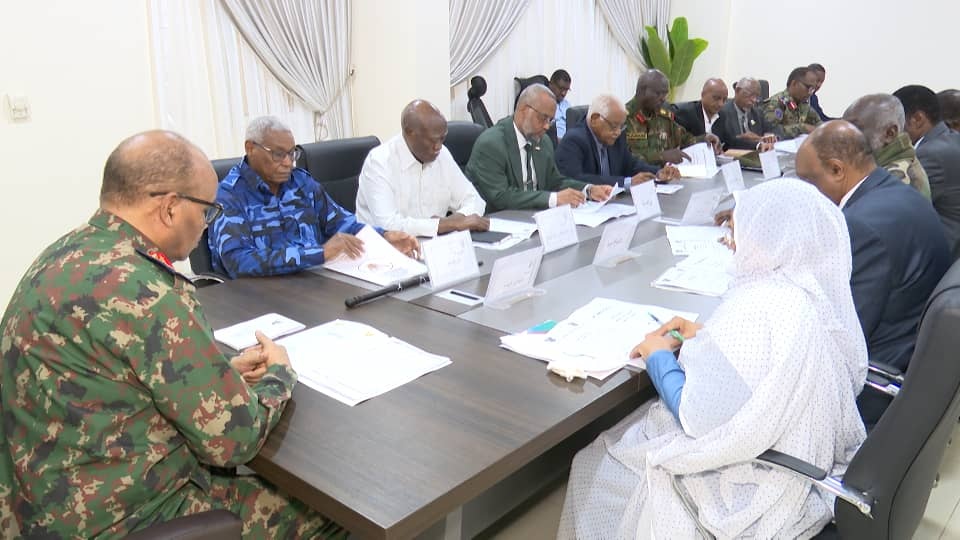
A committee affiliated with the Sovereignty Council has reached recommendations that outline the path forward for improving Sudan's stance in issues raised at the United Nations. The High Committee for Coordination with the UN, chaired by Sovereignty Council member Ibrahim Jaber, held a meeting on Monday, following a government committee's review of a plan to implement phases of prisoner exchange with Rapid Support Forces and communication with the UN. Foreign Minister Mohieldin Salem stated that the high committee's meeting resulted in significant recommendations that will determine the path forward at both regional and international levels, enhancing Sudan's position regarding issues raised by the UN. The meeting discussed several matters related to UN activities, particularly with ongoing arrangements and preparations for Sudan's participation in General Assembly proceedings. President Abdel Fattah al-Burhan is expected to lead a Sudanese delegation to the UN General Assembly scheduled for September next year, where his name appears on the initial list of speakers.
Legal Context: Resolution 1591 and International Sanctions
The international community imposed sanctions on Sudan in 2005 through Resolution 1591, which prohibits the sale and supply of arms to the country. The committee's recommendations are expected to address these requirements, particularly with regards to the expert committee's report. This development is significant as it may signal a shift in Sudan's international relations, potentially impacting trade and investment opportunities. Lawyers and compliance officers should closely monitor this situation for potential implications on their clients' business dealings with Sudan.
Why It Matters: Implications for Trade and Investment
The removal of UN sanctions could have far-reaching consequences for Sudan's international relations, including increased trade and investment opportunities. However, the process is complex and involves various stakeholders, including the Sovereignty Council, government committees, and international organizations. As Sudan prepares to participate in the UN General Assembly, it is essential to understand the potential implications of these diplomatic moves on the country's economic prospects.
Practical Implications
Lawyers and compliance officers should watch for potential changes in Sudan's international relations and their implications on trade and investment, particularly with regards to the removal of UN sanctions.
Source
How does this affect you?
Get an AI analysis of this article grounded in your jurisdictions, practice areas, and any policy documents you've uploaded to Wansom.
Wansom is AI and can make mistakes.