
Sudan Ministry Agriculture: Bean Import Ban Renewed for 6 Months
Summary
- Sudan's Ministry of Agriculture and Irrigation has renewed a six-month ban on bean imports, including those from Egypt, without issuing exemptions.
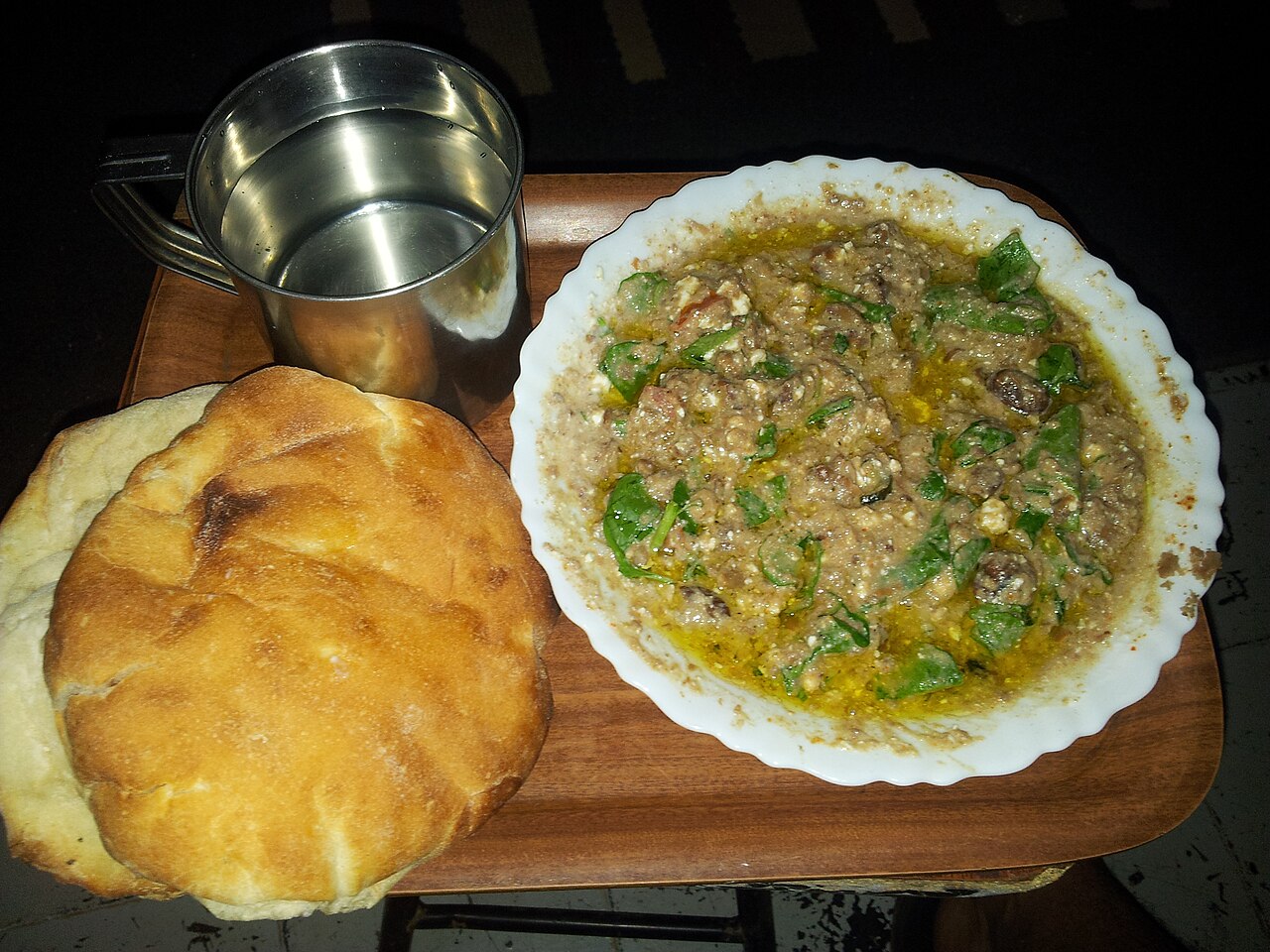
- The import restrictions have caused significant price increases for both imported and locally produced beans, raising concerns about food affordability.
- Economists warn that the ban could further escalate prices for `ful`, a staple food, and other alternatives like lentils.
- Sudan is the largest bean producer in the Arab world, yielding up to 185,000 tonnes annually, with harvesting anticipated in April.
- Egyptian officials clarify that the ban is a regulatory measure to protect domestic production, not related to quality issues, and applies to all countries.
Sudan's Renewed Bean Import Ban Takes Effect
The Sudanese Ministry of Agriculture and Irrigation has formally reinstated its prohibition on bean imports, a measure that has been renewed for a period of six months. This decision, which includes a specific ban on Egyptian bean imports, has been implemented without any provisions for exemptions or the issuance of no-objection letters, signaling a firm stance on the country's agricultural trade policy. The renewed Sudan Ministry of Agriculture and Irrigation bean import ban is part of broader regulatory actions, according to officials, aimed at managing the domestic market and safeguarding local production.
This latest directive follows an earlier decision by the Ministry to halt the entry of Egyptian beans, though Egyptian authorities have clarified that the restriction applies universally to all countries, not exclusively to Egypt. The measure is not linked to any technical or quarantine concerns regarding the quality of Egyptian exports or beans from other nations. Instead, it is presented as a strategic move to regulate the market and bolster Sudan's own agricultural output.
Economic Repercussions and Food Security Concerns
The immediate consequence of the import ban has been a sharp escalation in the cost of beans across Sudanese markets, intensifying concerns about the affordability of `ful`, a fundamental staple food for millions. Before the renewal, the price of a sack of beans had already surged dramatically from SDG300,000 to SDG1.4 million, with further increases anticipated. Currently, a sack of imported beans is retailing for between SDG1 million and SDG1.1 million, while locally cultivated Salim beans have reached SDG1.5 million per sack. Imported Ethiopian beans are also affected, now selling at SDG1.42 million.
This significant price inflation directly impacts daily life, as residents report that the cost of a single serving of `ful` has climbed to SDG7,000-8,000 in certain regions. There are dire warnings from the public that this could potentially skyrocket to SDG30,000 following the full effect of the Sudan ful import restrictions. Economic expert Dr. Haitham Fathi highlighted the immediate and substantial price hikes, underscoring the pressure on household budgets and the broader implications for Sudan's food security regulations.
Policy Rationale and Expert Recommendations
While the Ministry of Agriculture and Irrigation frames the ban as a protective measure for domestic production and market regulation, economic analysts offer a more nuanced perspective and suggest alternative strategies. Dr. Haitham Fathi emphasizes that such import restrictions should be integrated into a comprehensive Sudan agricultural trade policy designed to lessen reliance on foreign goods, bolster local farming, ensure national food security, and alleviate economic strain. He points out that imported beans are frequently more economical due to Sudan's elevated agricultural production expenses.
Fathi advocates for supporting local producers without stifling market competition, proposing initiatives such as reducing production costs, guaranteeing access to farming inputs, enhancing storage infrastructure, and developing robust marketing and export channels. He also calls for a price-warning mechanism that would trigger a review of import restrictions if commodity prices exceed predefined thresholds. Similarly, economic analyst Ahmed bin Omar criticizes the timing and execution of the ban, given that beans serve as an inexpensive and vital protein source for a vast segment of the population. Omar suggests that protecting domestic production should commence at the farm level through securing financing, seeds, irrigation, fuel, storage, and marketing, coupled with setting fair prices to incentivize farmers to boost output and productivity. He argues that imports could then be phased out gradually, aligning with actual domestic production levels and market shortfalls.
International Perspective and Broader Implications
The potential ramifications of the import ban extend beyond immediate price hikes for beans, threatening to destabilize the broader food market. With a reduction in supply and consistent demand, the cost per kilogram of beans and the price of a plate of `ful` are expected to continue their upward trajectory. The ultimate scale of this increase will depend on existing stock levels, the volume of domestic production, and the reliability of ongoing supply chains. This situation could also exert upward price pressure on alternative protein sources like lentils and `adasiyya`, as consumers seek substitutes, further exacerbating food affordability issues.
Despite the significant impact within Sudan, the director of the technical office of Egypt’s Agricultural Quarantine Department, Abbas, indicated that the decision is unlikely to have a substantial effect on Egypt’s overall bean exports. He reiterated that the Sudan import ban renewal is a regulatory measure tied to the agricultural season and domestic production, applying to all countries, not just Egyptian bean imports Sudan. This clarification underscores that the ban is a strategic economic decision by Sudan rather than a response to specific quality concerns with imports. Sudan, notably, is a significant player in bean production, ranking as the largest producer in the Arab world with an annual output of up to 185,000 tonnes, according to international organizations like the Food and Agriculture Organization (FAO). Cultivation is primarily concentrated in the River Nile and Northern states, with the winter crop currently in its six-month growing period, and harvesting anticipated in April. The beans currently available in the market originate from last April's harvest.
Practical Implications
Lawyers advising clients on agricultural trade or supply chain logistics in Sudan must be aware of the Ministry of Agriculture's renewed ban on bean imports, which has significant implications for import procedures, market access, and potential price volatility. Compliance officers should assess the impact on import operations and supply chain risks for food products entering Sudan.
Source
How does this affect you?
Get an AI analysis of this article grounded in your jurisdictions, practice areas, and any policy documents you've uploaded to Wansom.
Finish Reading the Full Story and the Expert Analysis.
Get the latest legal & regulatory intelligence in Sudan
Wansom is AI and can make mistakes.