
Sudan Ministry of Minerals: Brokers Wadi Al-Ashar Alliance Mining CSR Agreement
Summary
- Residents of Wadi Al-Ashar in Sudan's Red Sea State ended a sit-in protest against Alliance mining on October 14, 2026.
- The protest stemmed from disagreements over the Russian company's Corporate Social Responsibility (CSR) obligations to the local community.
- Sudan's Ministry of Minerals, led by Minister Nour Eldaim Taha, mediated an agreement between the parties.
- Alliance mining agreed to fulfill all demands made by the Wadi Al-Ashar community.
- Following the agreement, the sit-in was lifted, and the company resumed its mining operations.
What Happened
The successful mediation by the Sudan Ministry of Minerals, culminating in the company's agreement to implement all community demands, highlights a crucial pathway for dispute resolution.
Residents in Sudan's Red Sea State, specifically from the Wadi Al-Ashar area, concluded a significant sit-in protest on Wednesday, October 14, 2026. This demonstration had been staged directly in front of the local headquarters of Alliance mining, a Russian company operating in the region. The core of the dispute revolved around disagreements concerning the company's Corporate Social Responsibility (CSR) obligations and the entitlements of the local population. The community had previously halted the company's operations due to these unresolved issues.
Initially, Alliance mining had resisted the protestors' demands, asserting that it had already fulfilled its responsibilities and requested the handover of its mining concessions to continue its work. However, the prolonged protest underscored the deep-seated grievances within the Wadi Al-Ashar community regarding their share of benefits and rights from the mining activities. The resolution of this standoff marks a critical development for both the company and the local residents, highlighting the essential role of community engagement in resource extraction projects.
Ministerial Intervention and Resolution
The breakthrough in the protracted dispute was achieved through the active mediation of the Sudan Ministry of Minerals. Minister Nour Eldaim Taha spearheaded the efforts to broker an agreement between the local community and Alliance mining. The Ministry's statement confirmed that these facilitative endeavors successfully led to the cessation of the sit-in and the subsequent resumption of the Russian company's operations. A key aspect of this resolution was Alliance mining's full acceptance of all demands put forth by the residents of Wadi Al-Ashar.
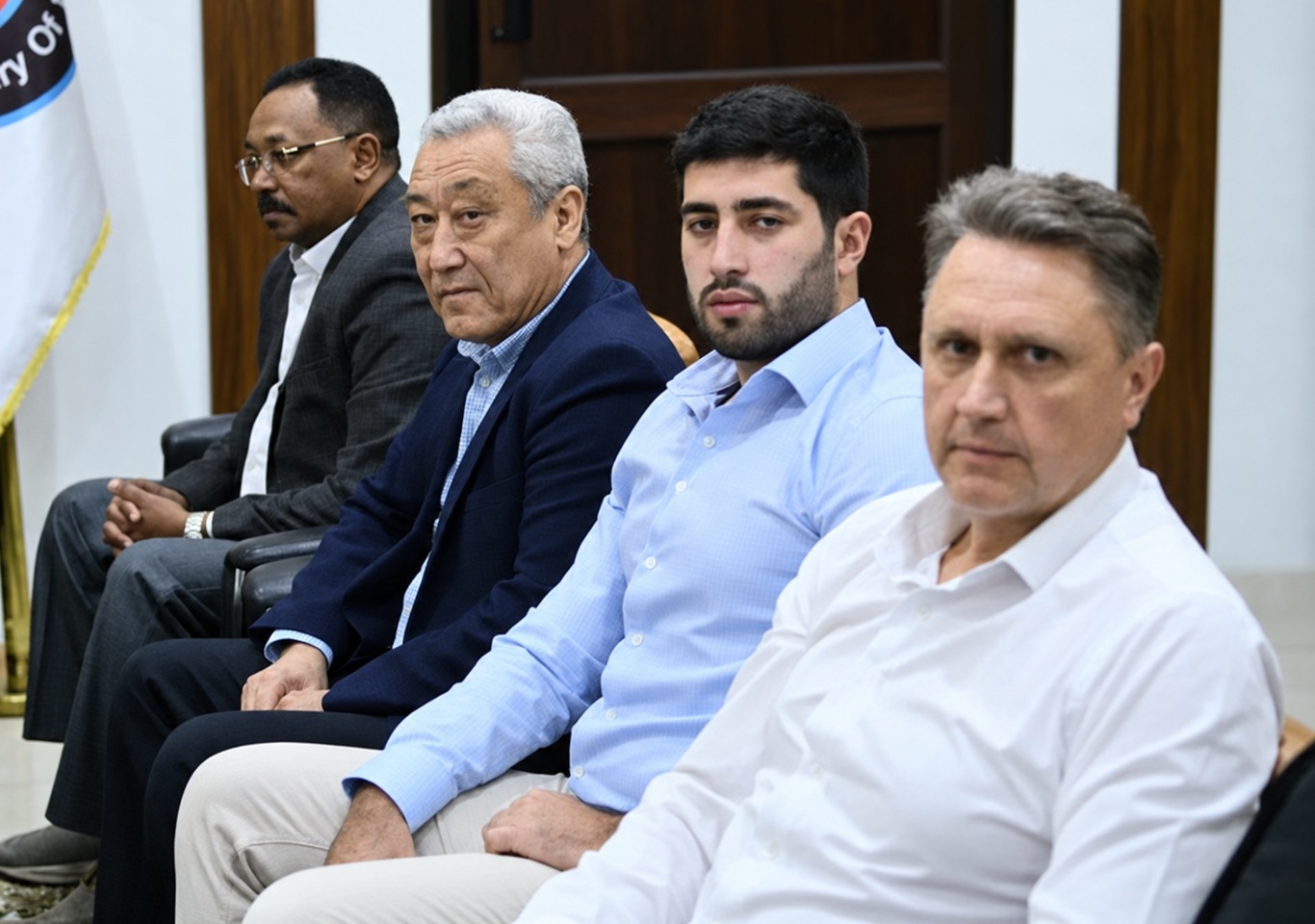
Minister Taha conducted two distinct meetings during the week leading up to the agreement. The first gathering involved a delegation representing the local community, led by Chief Abu Talib and Ibrahim Mansour, along with their accompanying members. The second meeting was dedicated to the Alliance mining delegation. These crucial discussions saw the participation of several high-ranking officials, including J.M. Ahmed Haroun Al-Toumi, the General Manager of the General Authority for Geological Research; Mohamed Taher Omar, the General Manager of the Sudanese Mineral Resources Company; Major General Salah El-Din Adam, the Director of Mining Police; and the Director of Security and Economics of Minerals, alongside other senior ministry leaders. The consensus reached in these meetings paved the way for the implementation of the comprehensive Wadi Al-Ashar Alliance mining CSR agreement.
Implications for Corporate Social Responsibility
The resolution of the Wadi Al-Ashar community protest against Alliance mining underscores the critical importance of robust Corporate Social Responsibility frameworks for companies operating in resource-rich regions. The initial refusal by Alliance mining to acknowledge the community's demands, coupled with its insistence on having met its obligations, led directly to operational disruption. This situation serves as a stark reminder for mining companies in Sudan and beyond that neglecting local grievances can have significant consequences for business continuity.
The successful mediation by the Sudan Ministry of Minerals, culminating in the company's agreement to implement all community demands, highlights a crucial pathway for dispute resolution. For legal advisors to mining entities, this case exemplifies the necessity of proactive engagement and the integration of community rights into operational planning. The agreement, facilitated by Minister Nour Eldaim Taha, not only resolved an immediate crisis but also set a precedent for how future disputes over community benefits and environmental impact might be addressed, emphasizing that a comprehensive approach to CSR is not merely a compliance issue but a fundamental component of sustainable operations.
Practical Implications
Lawyers advising mining companies in Sudan should note the critical importance of robust Corporate Social Responsibility (CSR) frameworks and proactive community engagement to prevent operational disruptions. This case highlights the role of ministerial mediation in resolving local grievances and the need for companies to address community demands to ensure business continuity.
Source
How does this affect you?
Get an AI analysis of this article grounded in your jurisdictions, practice areas, and any policy documents you've uploaded to Wansom.
Finish Reading the Full Story and the Expert Analysis.
Get the latest legal & regulatory intelligence in Sudan
Wansom is AI and can make mistakes.