
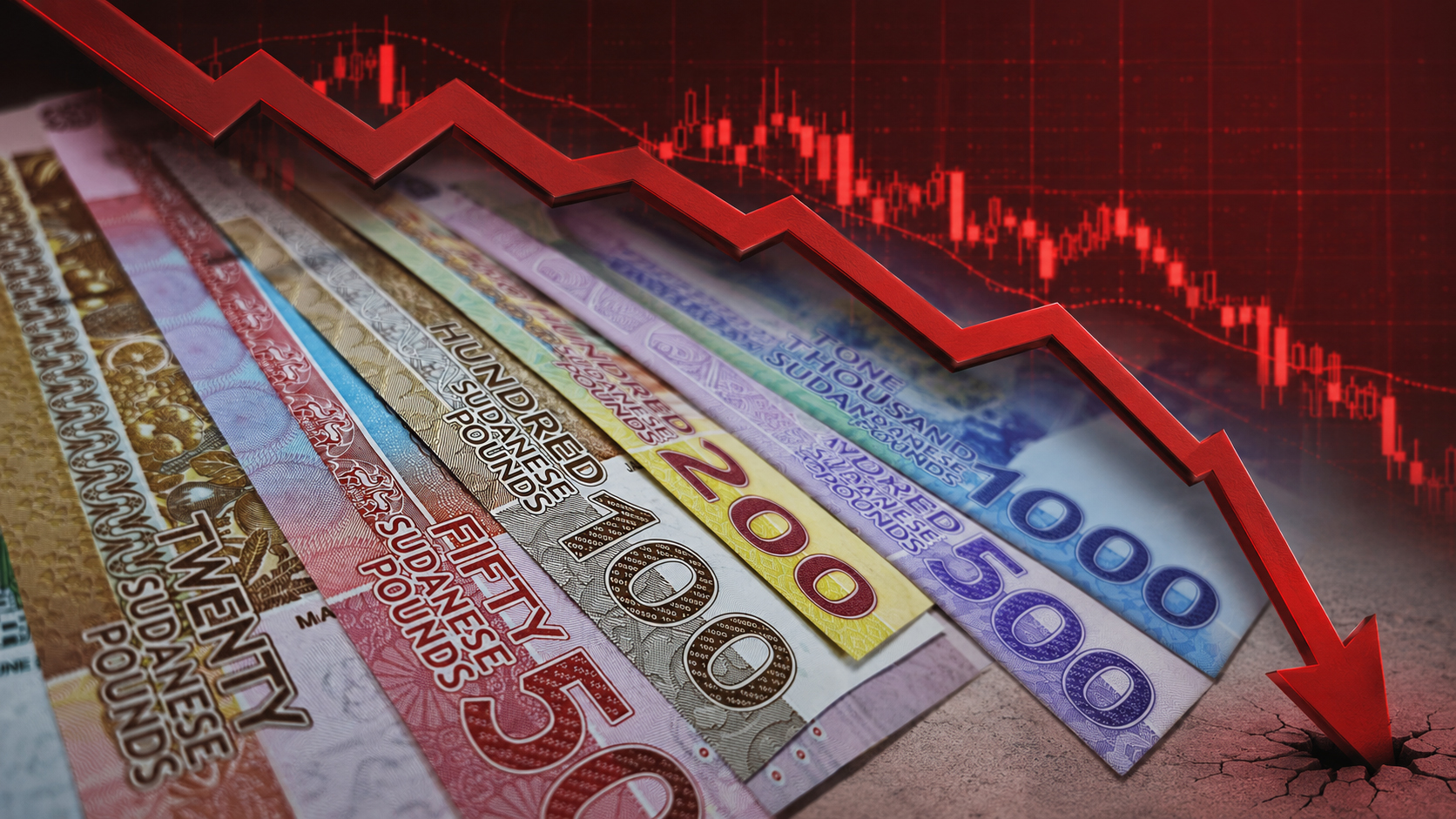
Sudan: Lifts 46 Import Ban to Ease Economic Strain
Summary
- Sudan's Sovereignty Council chairman Abdelfattah El Burhan has lifted import restrictions on 46 goods.
- The decision comes amid an annual inflation rate of 28.29% and the US Dollar reaching SDG 10,300.
- The National Importers’ Chamber welcomed the move but called for Prime Minister Kamil Idris to formally cancel Resolution No. 74.
- Economists attribute rising inflation to war-related damage to productive capacity and increased import dependence.
- Despite easing restrictions, experts warn that the rising Dollar and food costs may negate consumer relief.
A Shift in Sudan's Import Policy
While the recent lifting of import restrictions may improve the availability of goods, experts caution that the ongoing appreciation of the Dollar and the relentless increase in food costs pose a significant threat, potentially eroding any relief consumers might experience from the new policy.
Sudan has recently moved to ease trade restrictions, with Sovereignty Council chairman Abdelfattah El Burhan announcing the cancellation of a cabinet decision that had prohibited the import of 46 specific goods. This significant policy shift comes as the nation grapples with severe economic challenges, including a depreciating currency and escalating inflation, which have placed considerable strain on consumers already contending with elevated food prices. The decision aims to address the immediate needs of the populace while simultaneously seeking to safeguard domestic production capabilities, according to Finance Minister Jibril Ibrahim.
Following the announcement, initial reports from traders and consumers indicated an immediate reduction in the prices of some goods. This suggests a potential, albeit early, positive impact on market availability and affordability. The move represents a notable adjustment in Sudan's approach to its import regime, signaling an attempt to alleviate economic pressures through increased access to foreign goods.
Deepening Economic Crisis and Inflationary Pressures
The decision to lift import restrictions unfolds against a backdrop of a worsening economic climate in Sudan. The local currency has seen a significant depreciation, with foreign-exchange dealers reporting the US Dollar reaching SDG 10,300 for selling and SDG 10,200 for buying on Thursday, marking an increase of SDG 100 from the previous day. Experts anticipate further upward movement in the Dollar's value, a trend that could be exacerbated by the recent relaxation of import controls.
Inflation figures underscore the severity of the crisis. According to the Central Bureau of Statistics, Sudan's annual inflation rate climbed to 28.29% in September, an increase from 26.14% in August. Monthly inflation for the same period stood at 7.5%. The food and drink sector was particularly hard-hit, experiencing a 17.26% monthly price surge, contributing to an annual inflation rate of 36.81% for this critical category. Disparities were also evident between regions, with urban areas facing a much higher annual inflation rate of 40.35% compared to 21.18% in rural areas.
Industry Welcomes Change, Seeks Legal Certainty
The National Importers’ Chamber has expressed its approval of the government's decision to remove the import ban, highlighting the previous restrictions' detrimental effects on the market. El Sadiq Jalal El Din Saleh, chairman of the chamber, stated that the import prohibition had caused significant disruptions and financial losses for importers. However, the chamber also issued a crucial call for greater legal clarity, urging Prime Minister Kamil Idris to issue a definitive and enforceable decision to formally cancel Resolution No. 74, which was the original instrument imposing these restrictions.
This request for a clear cancellation of Resolution No. 74 underscores the need for legal certainty in the business environment. While the chairman of the Sovereignty Council has announced the lifting of the ban, a formal, enforceable decree from the Prime Minister is sought to solidify the change and prevent future ambiguities regarding Sudan's customs regulations and trade policies.
War's Shadow and the Delicate Economic Balance
Economists largely attribute the persistent rise in inflation to the profound damage inflicted upon Sudan's productive capacity by the ongoing conflict. The war has led to an increased reliance on imports, a continuous depreciation of the Sudanese pound, and the practice of using a customs Dollar for duty calculations, all contributing to the inflationary spiral. Additional burdens on consumers and businesses stem from high taxes, customs charges, and transport costs.
The conflict has also severely hampered agricultural and other productive activities by preventing many individuals from returning to their work, thereby constricting domestic supplies. Furthermore, the fragmentation of markets between areas controlled by the Sudanese Armed Forces and the Rapid Support Forces continues to impede the recovery of production and supply chains. While the recent lifting of import restrictions may improve the availability of goods, experts caution that the ongoing appreciation of the Dollar and the relentless increase in food costs pose a significant threat, potentially eroding any relief consumers might experience from the new policy.
Practical Implications
Lawyers and compliance officers advising businesses engaged in trade with Sudan should immediately review the list of 46 goods to identify new import opportunities and update their clients on the revised regulatory landscape, particularly regarding customs procedures and supply chain planning. They should also monitor for the formal, enforceable cancellation of Resolution No. 74 to ensure legal certainty.
Source
How does this affect you?
Get an AI analysis of this article grounded in your jurisdictions, practice areas, and any policy documents you've uploaded to Wansom.
Finish Reading the Full Story and the Expert Analysis.
Get the latest legal & regulatory intelligence in Sudan
Wansom is AI and can make mistakes.