
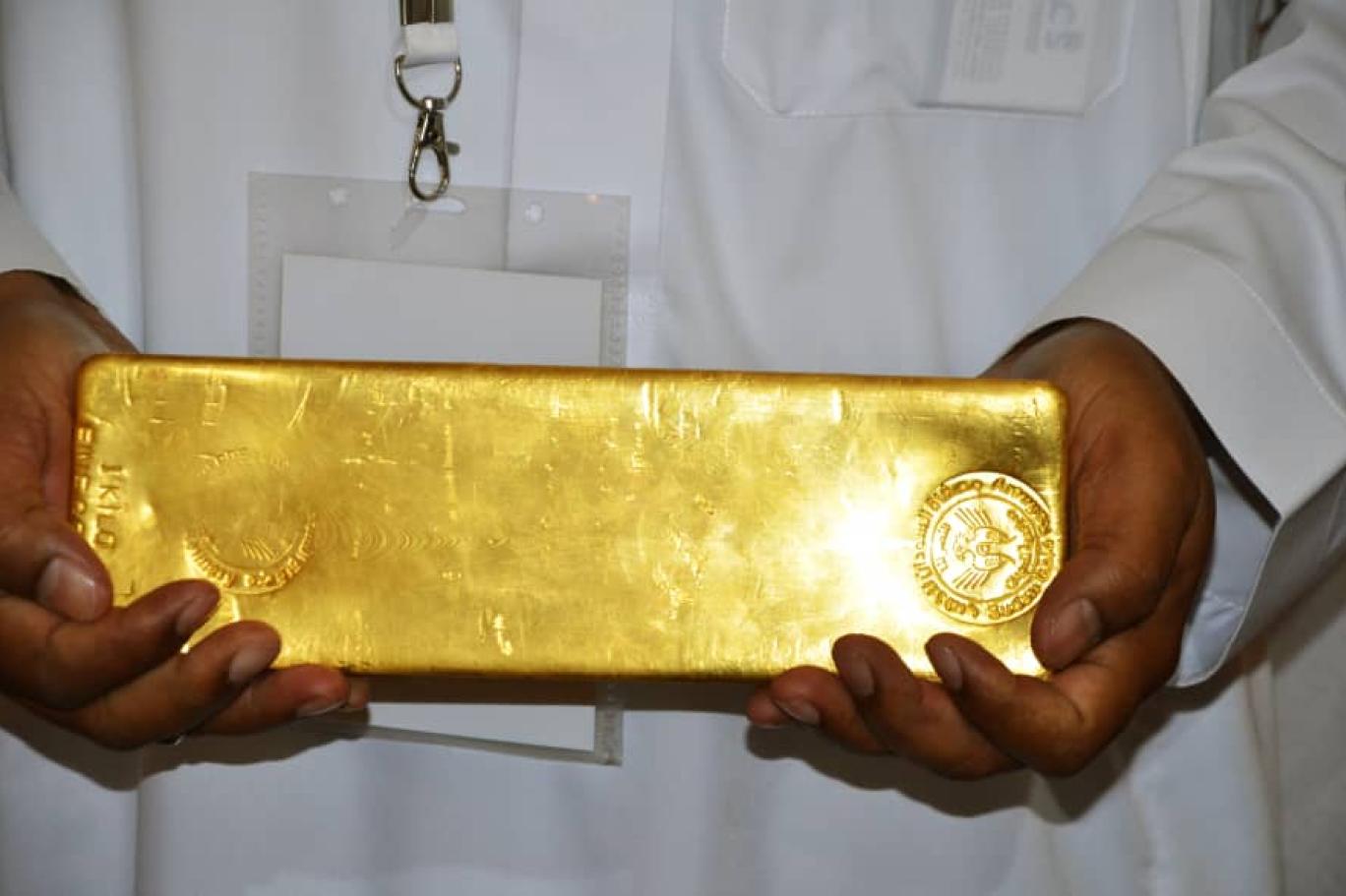
Sudan Gold Price Exceeds 700,000 Pounds per Gram
Summary
- Gold prices in Sudan have exceeded 700,000 pounds per gram for the first time.
- The increase is attributed to a sharp rise in global gold prices, which have risen by over $250 per ounce.
- Sudan's economy relies heavily on gold exports to cover petroleum imports and essential goods.
- The surge in gold prices raises concerns about potential impacts on Sudan's gold trade and compliance with international regulations.
What Happened
For the first time, gold prices in Sudan have exceeded 700,000 pounds per gram.
For the first time, gold prices in Sudan have exceeded 700,000 pounds per gram. The local market has seen a significant surge in gold prices over the past few days. This increase is attributed to the sharp rise in global gold prices, which have risen by more than $250 per ounce in a short period. As a result, the price of gold in Sudan's domestic market has reached unprecedented levels, with some markets trading at around 702-703 thousand pounds per gram. In contrast, Sudan Gold Refinery has set its buying price at approximately 671,000 pounds per gram.
Relevant Legal/Regulatory Context
The Sudanese economy is facing deep-seated structural imbalances and exceptional challenges that have been exacerbated by the war. The local currency, the Sudanese pound, has depreciated sharply against the US dollar, reaching a record high of 6,000 pounds per dollar. Additionally, inflation rates are rising rapidly, and purchasing power is declining. As a result, the country relies heavily on gold exports to cover petroleum imports and essential goods. This reliance raises concerns about potential impacts on Sudan's gold trade, particularly in terms of compliance with international regulations and laws governing gold exports and imports.
Why It Matters
The surge in gold prices has significant implications for the Sudanese economy, which is heavily reliant on gold revenues. The increase in gold prices will likely lead to a decline in gold exports, potentially affecting the country's ability to cover petroleum imports and essential goods. This situation highlights the need for careful monitoring of gold trade developments and compliance with relevant regulations to mitigate potential risks and ensure smooth operations.
Practical Implications
Lawyers and compliance officers should watch for potential impacts on Sudan's gold exports and imports, particularly with regards to the country's reliance on gold revenues to cover petroleum imports.
Source
How does this affect you?
Get an AI analysis of this article grounded in your jurisdictions, practice areas, and any policy documents you've uploaded to Wansom.
Wansom is AI and can make mistakes.