
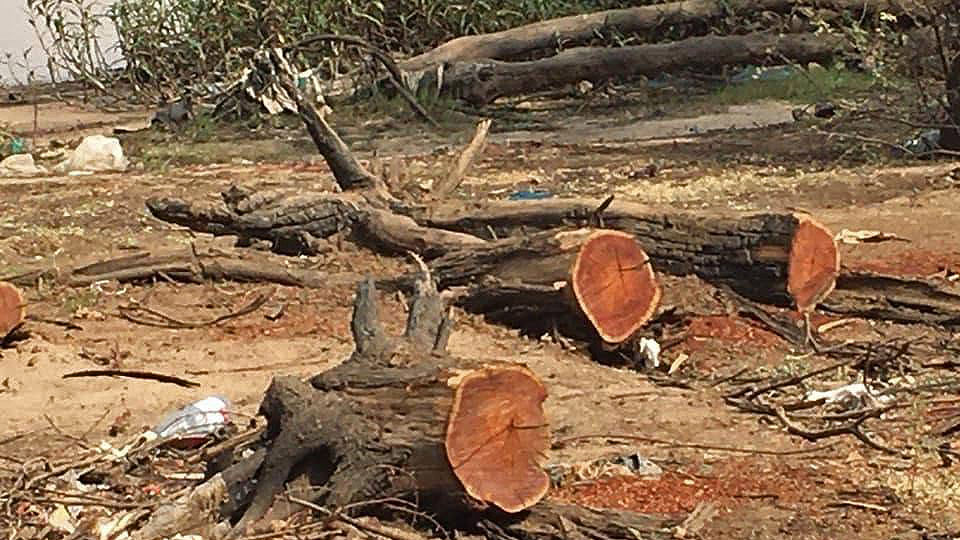
Sudan: Forest Loss 60% Since 1990, Expert Warns of Crisis
Summary
- Sudan has lost approximately 60% of its forest cover since 1990, leading to severe environmental degradation.
- Key drivers include rapid mechanised farming, weak government oversight, and the intensified demand for firewood due to ongoing conflict.
- Government agencies responsible for forest protection have become non-functional, leaving forests vulnerable to exploitation.
- State authorities have granted foreign interests, such as Egyptian entities in Blue Nile state, rights to invest in forests, further complicating land use.
- Restoring the country's forests, particularly the economically vital gum arabic belt, is projected to require at least two decades of dedicated effort and international support.
Alarming Decline in Sudan's Forest Cover
Restoring Sudan's depleted forests will necessitate a sustained commitment spanning at least two decades.
Sudan has experienced a loss of approximately 60% of its forest cover since 1990, a development that has led to severe environmental degradation across the nation. This stark assessment comes from Abdelmoneim El Huweiriss, a former adviser on integrated agricultural development and transformation at Sudan’s agriculture ministry, who shared his observations in a statement reviewed by Radio Dabanga. The expert highlights that while forests once encompassed about 12% of Sudan's total land area, roughly 60% of this original expanse has now vanished, amounting to millions of acres.
The deterioration of woodland and vegetation is particularly pronounced in several key regions. These include the rich savannah areas of Kordofan, Darfur, and Blue Nile, as well as White Nile, Butana, and El Gedaref. The widespread Sudan forest loss 60% since 1990 underscores a critical environmental crisis with far-reaching implications for the country's ecological balance and natural resources.
Multifaceted Drivers of Deforestation
The primary Sudan deforestation causes are complex and interconnected, stemming from both long-standing practices and recent conflicts. Before the current hostilities, the rapid expansion of mechanised farming was a significant contributor to the decline. This was compounded by a notable lack of government oversight regarding land use and limited public awareness concerning the ecological and economic importance of forests.
The ongoing war has dramatically intensified pressure on the remaining forests. With the collapse of electricity supplies and frequent interruptions to cooking-gas deliveries, communities have increasingly resorted to wood for energy, further accelerating the destruction. This reliance on firewood as a primary fuel source has placed an unsustainable burden on the country's already depleted woodlands, exacerbating the Sudan environmental degradation.
Governance Vacuum and Investment Risks
A critical factor in the escalating forest loss is the effective disappearance of state agencies previously tasked with protecting and monitoring Sudan's forests. The conflict has rendered these government bodies non-functional, leaving vast tracts of woodland vulnerable to unchecked exploitation. This vacuum in state oversight creates significant compliance and ESG (Environmental, Social, and Governance) risks for any entity operating or considering investment in the region.
Adding to the complexity, the situation has worsened in certain areas where state authorities have granted foreign interests the right to invest in forests. A notable example is in Blue Nile state, where such rights have been extended to Egyptian interests. This practice, occurring amidst a period of severe environmental degradation and absent regulatory frameworks, raises serious concerns about land use policy, resource management, and potential future environmental liabilities for investors and operators in Sudan.
Urgent Calls for Restoration and International Support
Abdelmoneim El Huweiriss emphasizes the urgent need for comprehensive reforestation efforts, particularly within Sudan’s gum arabic belt. This region is not only ecologically vital but also provides the country with significant revenue and foreign currency, making its restoration crucial for both environmental and economic stability. However, the expert cautions that rehabilitating Sudan's depleted forests will necessitate a sustained commitment spanning at least two decades.
To address the extensive damage, El Huweiriss advocates for a short-term roadmap for forest cover restoration, coupled with a thorough assessment of the current damage. He also calls upon Sudan to forge international partnerships to secure dedicated funding and technical support. Organizations such as the Food and Agriculture Organization of the United Nations (FAO) and other bodies focused on environmental protection and climate change are identified as crucial partners in this monumental undertaking.
Practical Implications
Lawyers advising clients on investment or operations in Sudan should be aware of the severe environmental degradation and lack of state oversight, which presents significant ESG and compliance risks, particularly concerning land use, resource management, and potential future environmental liabilities. This also highlights the need for due diligence on land rights and resource exploitation given the reported granting of rights to foreign interests amidst conflict.
Source
How does this affect you?
Get an AI analysis of this article grounded in your jurisdictions, practice areas, and any policy documents you've uploaded to Wansom.
Finish Reading the Full Story and the Expert Analysis.
Get the latest legal & regulatory intelligence in Sudan
Wansom is AI and can make mistakes.