
Sudan Lifts Import Ban on 44 Goods: Cabinet Decision 95
Summary
- The Sudanese Council of Ministers lifted an import ban on 44 goods on October 27, 2026.
- This decision, formalized as Cabinet Decision No. 95 of 2026, was signed by Transitional Prime Minister Kamil Idris.
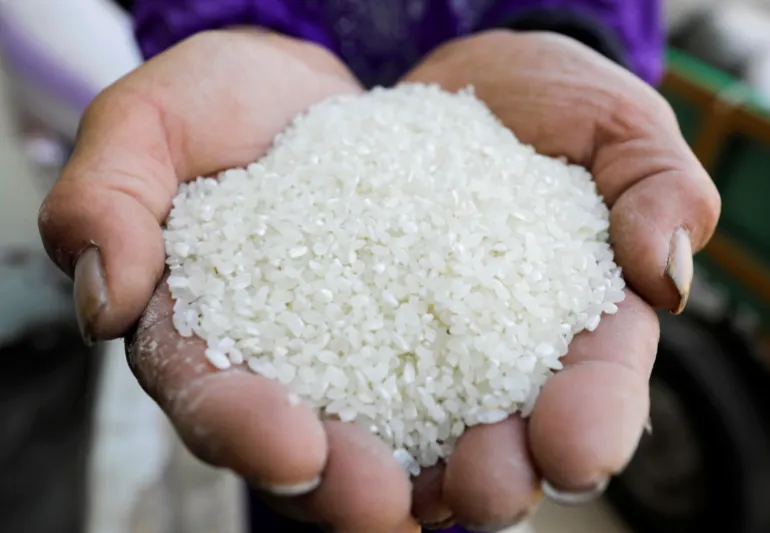
- The newly permitted imports include various food items, building materials, cosmetics, and consumer goods like Egyptian fava beans and rice.
- The government also exempted several basic food items from customs duties and taxes, including VAT.
- These measures aim to reduce living costs and ensure the availability of goods for Sudanese citizens.
Sudan Initiates Significant Import Liberalization
The Sudanese government's decision to lift the import ban on 44 goods, coupled with the introduction of customs duty exemptions for basic food items, carries significant economic and strategic implications.
The Sudanese Council of Ministers has announced a pivotal decision to lift import restrictions on a comprehensive list of 44 distinct goods, effective October 27, 2026. This move, which includes staple items like Egyptian fava beans and rice, represents a strategic shift in the nation's trade policy. The broader scope of the newly permitted imports extends to various food products, consumer goods, essential building materials, cosmetics, and other commodities, signaling a concerted effort to diversify market availability.
This development follows an earlier announcement by the Cabinet on Monday, detailing a dual approach to economic relief. Alongside the import ban removal, the government also declared exemptions from customs duties and taxes, including Value Added Tax (VAT), for several fundamental food items. These measures are explicitly designed to mitigate the financial strain on citizens and ensure a more consistent supply of essential goods across the country, addressing pressing economic challenges.
Key Regulatory Framework and Implementation
The formal directive underpinning this policy change is Transitional Council of Ministers Decision No. 95 of 2026. This crucial document, signed by Transitional Prime Minister Kamil Idris on October 26, specifically mandates the removal of the import prohibition on the 44 items detailed in an accompanying official list. The decision outlines a clear path for its execution, assigning responsibility to several key governmental and security entities.
The Ministries of Finance, Industry and Trade, the Customs Forces, and the General Intelligence Service, along with other pertinent authorities, have been tasked with ensuring the seamless implementation of this new regulation. The extensive list of newly permitted imports encompasses a wide array of products, including ready-made dairy items, processed meats, and various types of fish (with the exception of spring fish). It also covers confectionery such as biscuits, sweets, chocolates, and jams. Building and household goods like ceramics, marble, porcelain, furniture, and zinc sheets are now allowed. Furthermore, textiles, carpets, ready-made clothing, leather products, plastic containers and utensils, mineral and carbonated waters, ready-made juices, and car accessories are included. The liberalization extends to agricultural products such as vegetables and fruits, table salt, tahini, and instant noodles, alongside industrial inputs like raw materials for companies, and even specialized items such as weapons and ammunition for companies, perfumes, animal feed, and cement.
Economic Impact and Strategic Implications
The Sudanese government's decision to lift the import ban on 44 goods, coupled with the introduction of customs duty exemptions for basic food items, carries significant economic and strategic implications. Primarily, it aims to directly alleviate the cost of living for Sudanese citizens by increasing the availability and potentially reducing the prices of a broad spectrum of essential and consumer products. This comprehensive Sudan import liberalization policy is a direct response to the need for greater market access and supply chain stability.
For businesses and legal professionals, this update necessitates a thorough review of existing trade strategies and compliance frameworks. Lawyers advising companies involved in importing into Sudan must meticulously examine the newly permitted list under Cabinet Decision No. 95 of 2026. This analysis will be crucial for identifying emerging market opportunities and ensuring adherence to the revised customs and tax regulations, particularly concerning the exempted basic food items. The changes underscore a dynamic shift in Sudan's trade regulations, requiring prompt adaptation from all stakeholders.
Practical Implications
Lawyers advising businesses importing into Sudan must review the newly permitted list of 44 goods under Cabinet Decision No. 95 of 2026 to identify new market opportunities and assess compliance with revised customs and tax exemptions for specific basic food items. This change necessitates updating trade strategies and supply chain compliance.
Source
How does this affect you?
Get an AI analysis of this article grounded in your jurisdictions, practice areas, and any policy documents you've uploaded to Wansom.
Finish Reading the Full Story and the Expert Analysis.
Wansom is AI and can make mistakes.