
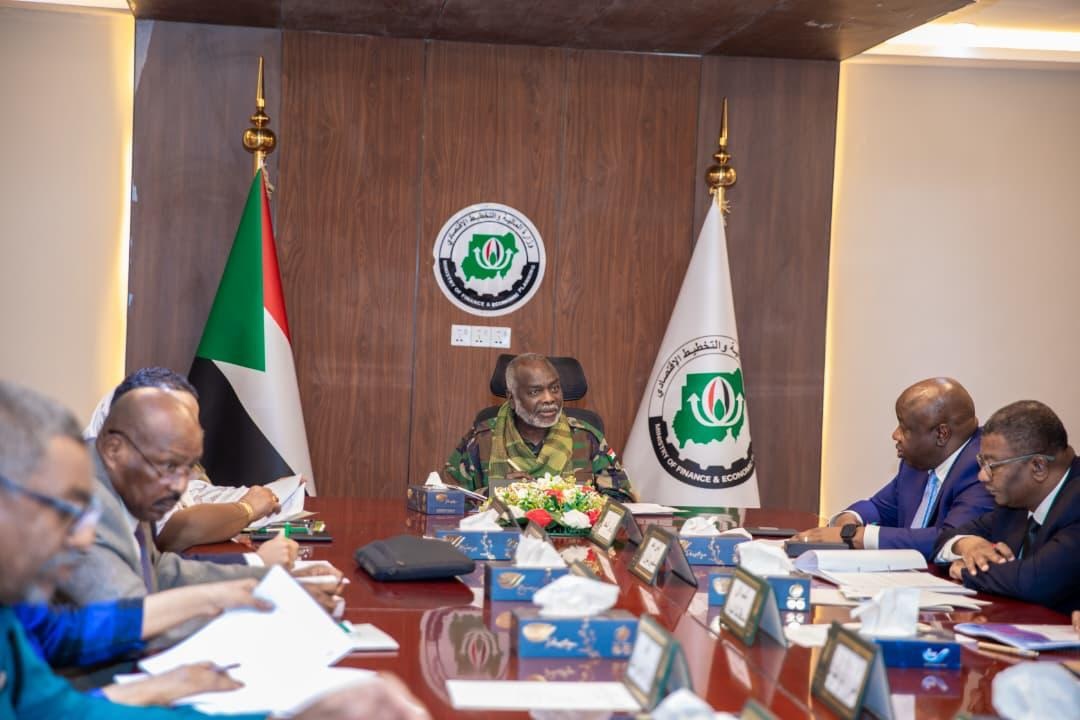
Sudan Ministry of Finance: Border Trade Agreements Review Launched
Summary
- Sudanese authorities announced on August 5, 2026, a plan to reorganize border trade and review related agreements to address economic challenges.
- The initiative aims to counter declining official trade and rising smuggling, which have led to lost revenues and reduced foreign exchange.
- Minister of Finance Gibril Ibrahim leads a task force committed to reviewing legislation, controls, agreements, and MoUs for border trade.
- An expanded meeting discussed a report by Minister of Industry and Trade Mahasin Yaqoub on regulating border trade.
- The plan includes reviewing regional border trade agreements and submitting them to the Council of Ministers to establish a unified national legal and regulatory framework.
Sudan Moves to Reorganize Border Trade
The ultimate objective is to establish a unified national legal and regulatory framework, ensuring consistent oversight and enhancing the overall economic contribution of cross-border commerce.
Sudanese authorities announced on August 5, 2026, from Khartoum, a significant initiative to restructure cross-border trade operations with neighboring countries. This move includes a comprehensive Sudan border trade agreements review, aiming to address pressing economic challenges and bolster the contribution of border commerce to the nation's public revenues.
The decision comes amidst escalating economic pressures on Sudan, largely attributed to a noticeable decline in official trade activities at its border crossings. This reduction in formal commercial exchange has coincided with a proliferation of smuggling operations and the expansion of parallel markets, creating a substantial drain on the national economy.
The consequences of this informal trade surge are severe, leading to a significant loss of revenues from both exports and imports, and a corresponding decrease in the country's foreign exchange earnings. In a statement released on a Wednesday, the Ministry of Finance confirmed the government's commitment to establishing stringent controls and regulations for trade conducted through border points with adjacent nations.
Minister of Finance, Gibril Ibrahim, who also leads the task force dedicated to devising urgent solutions for economic issues related to exports and imports, underscored the government's resolve. This commitment involves a thorough re-evaluation of existing legislation and controls governing these activities, alongside an assessment of all pertinent agreements and memoranda of understanding.
Comprehensive Review of Trade Frameworks
The strategic overhaul of Sudan's cross-border trade regulations is designed to enhance the state's economic interests and elevate the overall contribution of border trade to the national economy and public revenues. This effort is spearheaded by Minister Gibril Ibrahim's task force, which is specifically mandated to review and reform the current operational frameworks.
An expanded meeting, chaired by the Minister of Finance, recently convened to deliberate on a detailed report presented by Minister of Industry and Trade, Mahasin Yaqoub. This report focused on scrutinizing the fundamental principles and controls that govern border trade, forming a crucial part of the state's broader agenda to develop, tighten oversight over, and maximize the economic returns from its border trade system.
A key outcome of this meeting was the emphatic call for a review of all existing agreements and protocols regulating border trade that have been concluded between Sudanese regional authorities and neighboring countries. These agreements are slated to be submitted to the Council of Ministers for further consideration.
The ultimate objective is to establish a unified national legal and regulatory framework, ensuring consistent oversight and enhancing the overall economic contribution of cross-border commerce. This unified approach aims to standardize regulatory references across the nation, thereby streamlining processes and strengthening the efficacy of Sudan trade agreements neighboring countries.
Driving Economic Recovery and Revenue Growth
The impetus behind this extensive Sudan border trade agreements review and the proposed Sudan customs reform is rooted in the urgent need to revitalize the national economy. By addressing the challenges posed by informal trade and declining official activity, the government aims to recover lost revenues and stabilize its foreign exchange reserves.
This policy shift, driven by the Sudan Ministry of Finance trade policy, is expected to transform border trade from a vulnerability into a robust engine for economic growth. The emphasis on tightening control and maximizing economic return underscores a strategic pivot towards leveraging all available commercial avenues for national development.
Through a more regulated and unified system, Sudan anticipates not only an increase in direct revenues but also an improved environment for legitimate businesses engaged in cross-border commerce. This comprehensive approach is vital for ensuring that border trade effectively supports the national economy and contributes significantly to public revenues, fostering greater economic stability and growth.
Practical Implications
Lawyers advising clients on cross-border trade with Sudan must monitor the upcoming review of legislation and agreements, as new unified national regulations could significantly alter customs procedures, trade terms, and compliance requirements for imports and exports. This may necessitate reviewing existing contracts and preparing for revised operational frameworks.
Source
How does this affect your business?
Get an AI analysis of this article grounded in your jurisdictions, practice areas, and any policy documents you've uploaded to Wansom.
Wansom is AI and can make mistakes.