
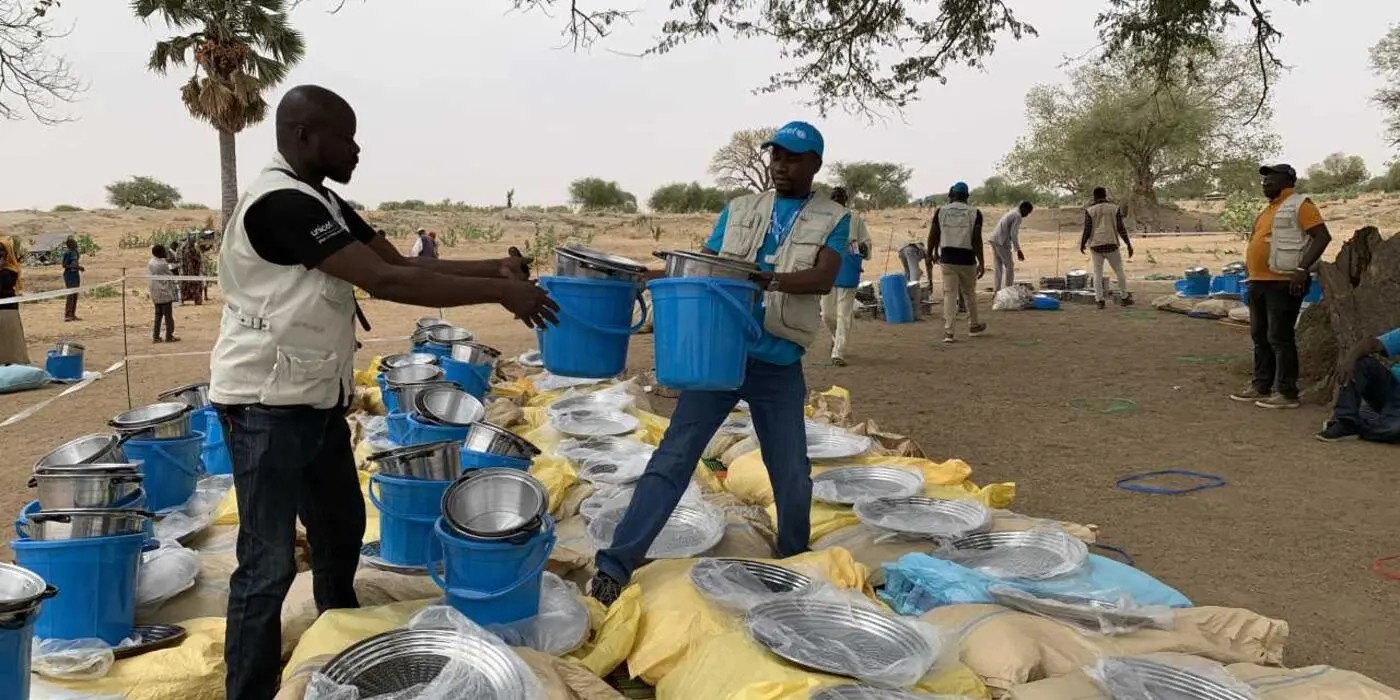
Sudan: Drone Attacks Cause Aid Worker Deaths
Summary
- Sudan was one of the deadliest places for aid workers in 2025, with 71 humanitarian personnel killed.
- A Sudanese volunteer, Idris Ibrahim Sidi, was killed by armed looters near the Chadian border while performing his professional duties.
- Drones were responsible for approximately 80% of civilian deaths in Sudan during the first four months of 2026, frequently targeting markets and health facilities.
- The United Nations highlighted the increasing risks to civilians and aid workers posed by the rapid spread of low-cost, easily modified armed drones.
- Local Sudanese initiatives, including communal kitchens and emergency committees, have garnered international praise for their vital humanitarian work since the conflict began in April 2023.
Aid Workers Face Extreme Peril
The United Nations has specifically noted that the rapid proliferation of low-cost, easily modified armed drones has dramatically escalated the dangers faced by both civilians and humanitarian personnel.
Humanitarian workers operating in Sudan's conflict zones are confronting severe and multifaceted dangers as they strive to deliver essential aid to war-affected populations. These dedicated individuals are routinely subjected to a range of violations, including fatal attacks, injuries, abductions, and unlawful detention, alongside significant restrictions and impediments to their movement. The perilous environment in Sudan was underscored by a tragic incident involving Idris Ibrahim Sidi, a Sudanese volunteer, who was killed when his vehicle came under assault by armed looters near the Chadian border.
The Local Malha Emergency Rooms Coordination Council, through a statement on its Facebook page, confirmed Sidi's death, noting he was en route to fulfill his professional duties and support his family. This incident profoundly impacted the local community, highlighting the personal cost of the ongoing conflict and the broader issue of Sudan humanitarian worker killings. Sudan, alongside Gaza, tragically led the world in 2025 as the deadliest locations for aid workers, with a staggering 71 humanitarian personnel losing their lives in Sudan alone.
Drone Attacks Escalate Civilian and Aid Worker Risks
A particularly alarming development in the Sudanese conflict is the widespread and devastating use of armed drones, which pose a significant and growing threat to both civilians and aid workers. The United Nations has specifically noted that the rapid proliferation of low-cost, easily modified armed drones has dramatically escalated the dangers faced by both civilians and humanitarian personnel. These unmanned aerial vehicles have been extensively deployed in armed conflicts, leading to severe consequences, including Sudan aid worker drone attack deaths.
During the initial four months of 2026, drones were responsible for approximately 80% of all civilian fatalities in Sudan, frequently targeting vital civilian infrastructure such as markets and health facilities. This pervasive threat underscores the urgent need for enhanced protection measures for those providing assistance on the ground. The UN, marking World Humanitarian Day on August 19, emphasized the critical importance of respecting and safeguarding civilians, including humanitarian and medical workers, in accordance with international humanitarian law.
Local Initiatives Offer Vital Lifelines
Despite the immense dangers, local Sudanese initiatives have emerged as a vital lifeline, demonstrating remarkable resilience and commitment to their communities. Since the war erupted on April 15, 2023, youth initiatives and local civil society organizations have rapidly mobilized, forming resistance, emergency, and service committees. These grassroots efforts have been instrumental in organizing communal kitchens, known as takayas, which serve as a crucial form of humanitarian action.
The dedication and effectiveness of these Sudanese volunteers have garnered significant international attention and praise from numerous organizations, many of whom now rely on these local networks for the distribution of humanitarian aid. Their work has also been recognized and admired in several European countries, leading to international awards in acknowledgment of their profound humanitarian contributions. The UN World Food Programme, for instance, used its official X account on UN World Humanitarian Day Sudan to honor Sudanese humanitarian workers who have remained in their homeland to support their people throughout the past three years of conflict.
Urgent Calls for Protection and International Law Adherence
Experts in international humanitarian work have lauded the extraordinary efforts of Sudanese volunteers, while simultaneously expressing deep concern over the lack of protection of aid workers Sudan and civilians. Dr. Salah El Amin, an authority in the field, praised the young men and women who have undertaken humanitarian work since the conflict began on April 15, 2023, providing essential services like food, clean drinking water, healthcare, protection, communication, and transport to vast numbers of Sudanese. He specifically commended the emergency rooms, takayas, and other local initiatives for earning the admiration and approval of international organizations, echoing the sentiments of the UN World Food Programme.
World Humanitarian Day, observed annually on August 19, serves as a poignant reminder of the sacrifices made by aid workers globally, commemorating the 2003 attack on the UN headquarters in Baghdad that claimed the lives of 22 aid workers, including Sergio Vieira de Mello. The United Nations officially designated this day in 2008 to celebrate humanitarian efforts worldwide, with this year's theme specifically focusing on the protection of civilians and aid workers, alongside a renewed call for adherence to international humanitarian law Sudan conflict. Regrettably, Dr. El Amin noted that the harsh reality of the ongoing war and humanitarian crisis in Sudan starkly contrasts with these principles, failing to provide adequate protection for either civilians or humanitarian personnel, or to uphold international humanitarian law.
Practical Implications
Lawyers advising NGOs or companies with operations in Sudan should review their risk assessments and security protocols for personnel, given the documented severe violations of international humanitarian law and the specific threat of drone attacks against aid workers.
Source
How does this affect you?
Get an AI analysis of this article grounded in your jurisdictions, practice areas, and any policy documents you've uploaded to Wansom.
Wansom is AI and can make mistakes.