
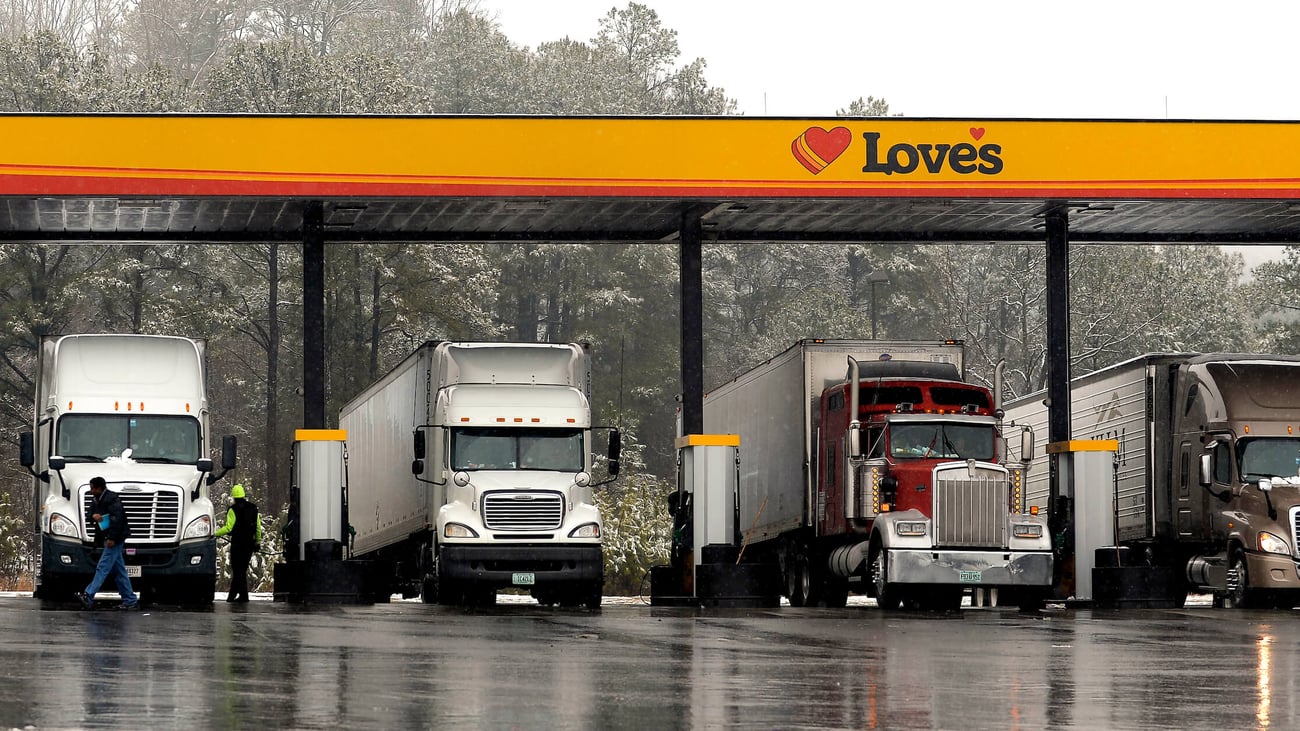
22 States Sue Feds Over Trucker Data Collection, Citing Driver Privacy Laws
Summary
- 22 states sue Trump administration over collection of millions of commercial drivers' sensitive information.
- Database contains 17 million driver records with personally identifiable information such as names, dates of birth, Social Security numbers, and driver's license numbers.
- Lawsuit claims federal government's failure to consult with states about demand for access to database violates several federal privacy laws.
What's at Stake
The lawsuit claims that the administration's failure to consult with the states about the demand violates several federal privacy laws, including the Driver's Privacy Protection Act and the Administrative Procedure Act.
A lawsuit filed by 22 states against the Trump administration seeks to block the collection of millions of commercial drivers' sensitive information, stored in a database containing 17 million driver records. The data includes personally identifiable information such as names, dates of birth, Social Security numbers, and driver's license numbers. This nationwide database was created 40 years ago for states to share information about unsafe drivers operating commercial vehicles. However, the federal government's demand for access to this database has raised concerns about the potential misuse of sensitive personal information. The lawsuit claims that the administration's failure to consult with the states about the demand violates several federal privacy laws, including the Driver's Privacy Protection Act and the Administrative Procedure Act.
The Government Use Exemption
One exception under the Driver's Privacy Protection Act allows for the disclosure of sensitive driver records if the government demonstrates that the collection serves a legitimate government function. However, in *United States v. Weber*, a federal judge in California found that this exemption didn't apply when the government failed to identify how all the information gathered would be used. Similarly, the transportation department provided little information on why it needed the data during its initial request. The states are arguing that the administration's request for access to the database is not justified and that the government use exemption does not apply in this case.
Why It Matters
The outcome of this lawsuit could have significant implications for driver privacy protection. If the court rules in favor of the states, it could limit the federal government's ability to collect sensitive driver information without a clear justification. This could set an important precedent for future cases involving government access to personal data. The lawsuit also highlights concerns about the potential misuse of sensitive personal information and the need for greater transparency and accountability in government requests for data.
Practical Implications
Lawyers should watch for the potential precedent set by this case, particularly with regards to the government use exemption under the Driver's Privacy Protection Act. If the court rules in favor of the states, it could limit the federal government's ability to collect sensitive driver information without a clear justification.
Source
How does this affect you?
Get an AI analysis of this article grounded in your jurisdictions, practice areas, and any policy documents you've uploaded to Wansom.
Wansom is AI and can make mistakes.