
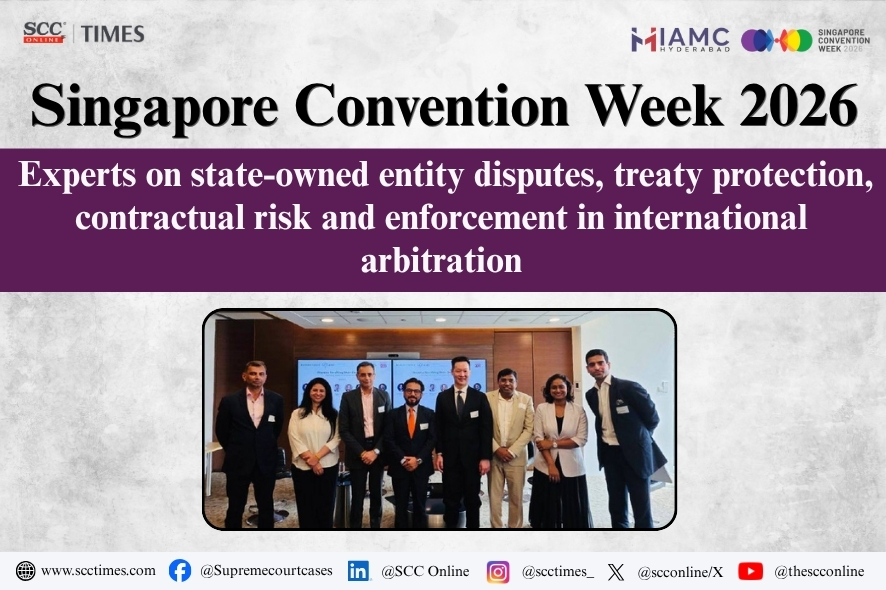
Singapore Convention Week 2026: Panel Addresses State-Owned Entity Disputes
Summary
- Singapore Convention Week 2026 featured a panel dedicated to disputes involving State-owned entities.
- Experts examined critical aspects including contractual risk, sovereign immunity, and enforcement in international arbitration.
- Discussions also covered dispute-resolution clauses, treaty protection, evidence, and damages related to SOE conflicts.
Singapore Convention Week 2026 Addresses SOE Disputes
The discussions underscored the unique complexities that arise when state interests intersect with commercial undertakings.
Singapore Convention Week 2026 served as a significant forum for legal professionals, with a dedicated panel focusing on the intricate landscape of State-owned entity disputes. This specialized session brought together experts to dissect the multifaceted challenges and considerations inherent in international arbitration involving SOEs, a critical area for global commerce and legal practice. The discussions underscored the unique complexities that arise when state interests intersect with commercial undertakings.
The panel's comprehensive agenda covered a broad spectrum of issues, ranging from the foundational elements of contractual agreements to the ultimate hurdles of enforcement. Participants delved into how contractual risk is assessed and managed when dealing with entities backed by sovereign power, and the specific drafting requirements for dispute-resolution clauses that can withstand the unique pressures of SOE engagements. The insights shared are particularly pertinent for legal practitioners advising clients on cross-border transactions and investments involving governmental or quasi-governmental entities.
Navigating Complexities in International Arbitration with SOEs
A central theme of the panel on State-owned entity disputes at Singapore Convention Week 2026 revolved around the critical legal and practical considerations that differentiate these cases from standard commercial arbitration. Experts meticulously examined the concept of sovereign immunity SOE arbitration, a doctrine that often presents significant jurisdictional barriers and complicates the initiation and progression of claims against state-backed entities. Understanding the scope and exceptions to sovereign immunity is paramount for any party contemplating legal action or drafting agreements with an SOE.
Further discussions illuminated the role of treaty protection state-owned entities can offer or be subject to, particularly under bilateral investment treaties (BITs) or other international agreements. These treaties can provide a layer of protection for investors or, conversely, impose obligations on SOEs, influencing the strategic approach to disputes. The panel also addressed practical challenges such as evidence gathering, which can be particularly arduous when dealing with state-controlled entities due to issues of state secrecy or bureaucratic hurdles. Furthermore, the methodologies for assessing damages in such cases, often influenced by political and economic factors, were a key point of analysis.
Crucially, the session highlighted the formidable challenges associated with enforcement international arbitration SOE awards. Even after a favorable arbitral award is secured, the actual recovery of assets can be exceptionally difficult due to sovereign immunity over state assets, political sensitivities, and the often-complex legal frameworks governing state property. This makes careful consideration of enforcement prospects a vital component of any pre-dispute strategy, directly impacting the assessment of contractual risk SOE disputes entail.
Key Takeaways for Legal Professionals
The discussions at Singapore Convention Week 2026 provide invaluable insights for lawyers and compliance officers navigating the intricate world of international arbitration state-owned entities. The nuanced interplay of sovereign immunity, treaty protections, and the practicalities of evidence and damages assessment demands a sophisticated approach to risk management and dispute resolution. Legal advisors must meticulously evaluate these factors when structuring deals and drafting dispute resolution clauses to safeguard their clients' interests effectively.
Understanding the specific challenges in enforcing awards against SOEs is not merely a post-arbitration concern but a fundamental aspect of initial contractual negotiations and risk assessment. The panel's focus on these critical areas underscores the necessity for legal professionals to possess a deep understanding of public international law principles alongside commercial arbitration rules when engaging with SOEs. This comprehensive perspective is essential for mitigating potential pitfalls and enhancing the likelihood of successful outcomes in disputes involving state-owned entities.
Practical Implications
Lawyers and compliance officers should note the key considerations for international arbitration involving State-owned entities, particularly regarding sovereign immunity, treaty protection, and enforcement challenges. This summary from Singapore Convention Week 2026 highlights critical areas for risk assessment and dispute resolution clause drafting when advising clients on engagements with SOEs.
Source
Source: Original reporting via SCC Times
How does this affect you?
Get an AI analysis of this article grounded in your jurisdictions, practice areas, and any policy documents you've uploaded to Wansom.
Finish Reading the Full Story and the Expert Analysis.
Wansom is AI and can make mistakes.