
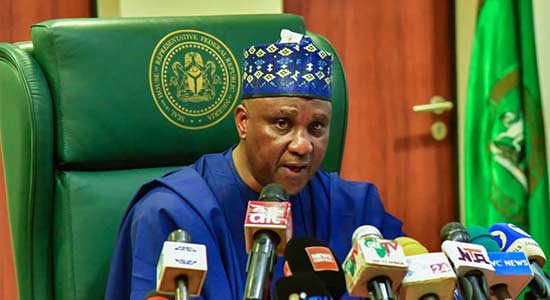
Speaker Abbas: Urges Safeguarding 2027 Electoral Integrity in Nigeria
Summary
- Speaker Tajudeen Abbas called for deliberate efforts to safeguard Nigeria's electoral process.
- He emphasized the need for neutral institutions to ensure a credible 2027 general election.
- Abbas urged lawmakers not to abandon their legislative duties for 2027 political campaigns.
- The Speaker also called on the Executive to submit the Medium Term Expenditure Framework (MTEF) promptly.
- His statements highlight a focus on maintaining public confidence and legislative integrity ahead of the next election cycle.
Speaker's Call for Electoral Integrity
His advocacy for neutral institutions Nigeria elections and a credible 2027 electoral process is not merely a procedural call but a strategic imperative for national stability.
Speaker of the House of Representatives, Tajudeen Abbas, recently issued a strong appeal for concerted efforts to bolster Nigeria's electoral framework. Addressing fellow lawmakers on Tuesday, following the resumption of plenary sessions, Speaker Abbas underscored the critical need for safeguarding Nigeria's electoral process as political activities begin to intensify in anticipation of the 2027 general elections. His remarks emphasized the importance of maintaining public trust and ensuring that the upcoming polls are conducted with the highest degree of fairness.
Central to Speaker Abbas's message was a call for the establishment and upholding of neutral institutions in Nigeria's elections. He articulated that the conduct of all stakeholders must unequivocally justify the confidence reposed by Nigerians in their democratic system. This directive from a prominent legislative leader highlights a proactive stance towards ensuring Speaker Abbas 2027 electoral integrity, aiming to prevent potential pitfalls and reinforce the credibility of the democratic exercise.
Focus on Legislative Duties Amidst Political Buzz
Beyond the immediate concerns for electoral probity, Speaker Tajudeen Abbas also directed a significant portion of his address towards the legislative responsibilities of the House. He firmly stated that members must not allow the burgeoning 2027 campaigns to overshadow or divert them from their primary legislative duties. This admonition serves as a reminder to prioritize governance and lawmaking, even as the political landscape heats up.
In a related appeal, the Speaker urged the Executive arm of government to promptly submit the Medium Term Expenditure Framework (MTEF). The timely submission of the House of Representatives MTEF submission is crucial for the legislative body to effectively plan and appropriate national resources, reinforcing the Speaker's insistence that the House remains focused on its constitutional mandate rather than becoming preoccupied with future electoral contests.
Why Institutional Neutrality Matters for 2027
The pronouncements from Speaker Abbas carry significant weight, particularly as they touch upon the foundational principles of Nigeria's democracy. His advocacy for neutral institutions Nigeria elections and a credible 2027 electoral process is not merely a procedural call but a strategic imperative for national stability. Ensuring that electoral bodies and related institutions operate without bias is fundamental to preventing disputes and fostering acceptance of election outcomes, which is vital for the nation's political health.
These calls for safeguarding Nigeria electoral process and potential Nigeria 2027 election reforms will likely shape legislative agendas and public discourse in the coming months. Lawyers advising clients on political risk, electoral compliance, or public sector engagement in Nigeria should closely monitor legislative developments and executive actions stemming from these calls for electoral integrity and institutional neutrality, as they could foreshadow future regulatory changes or impact the stability of the 2027 electoral cycle. The Speaker's emphasis on conduct justifying public confidence underscores the high stakes involved in the lead-up to the next general elections.
Practical Implications
Lawyers advising clients on political risk, electoral compliance, or public sector engagement in Nigeria should monitor legislative developments and executive actions stemming from these calls for electoral integrity and institutional neutrality, as they could foreshadow future regulatory changes or impact the stability of the 2027 electoral cycle.
Source
How does this affect you?
Get an AI analysis of this article grounded in your jurisdictions, practice areas, and any policy documents you've uploaded to Wansom.
Finish Reading the Full Story and the Expert Analysis.
Get the latest legal & regulatory intelligence in Nigeria
Wansom is AI and can make mistakes.